The Future of Voicebots: Trends to Watch in 2026-2027

The Future of Voicebots: Trends to Watch in 2026-2027

2026-03-11 20:48:24 Readership 350

Digital services are expanding rapidly across Southeast Asia and global markets. As companies scale their operations internationally, customer communication has become more complex. Enterprises must interact with users in different languages, across different time zones, and through a growing number of digital channels.

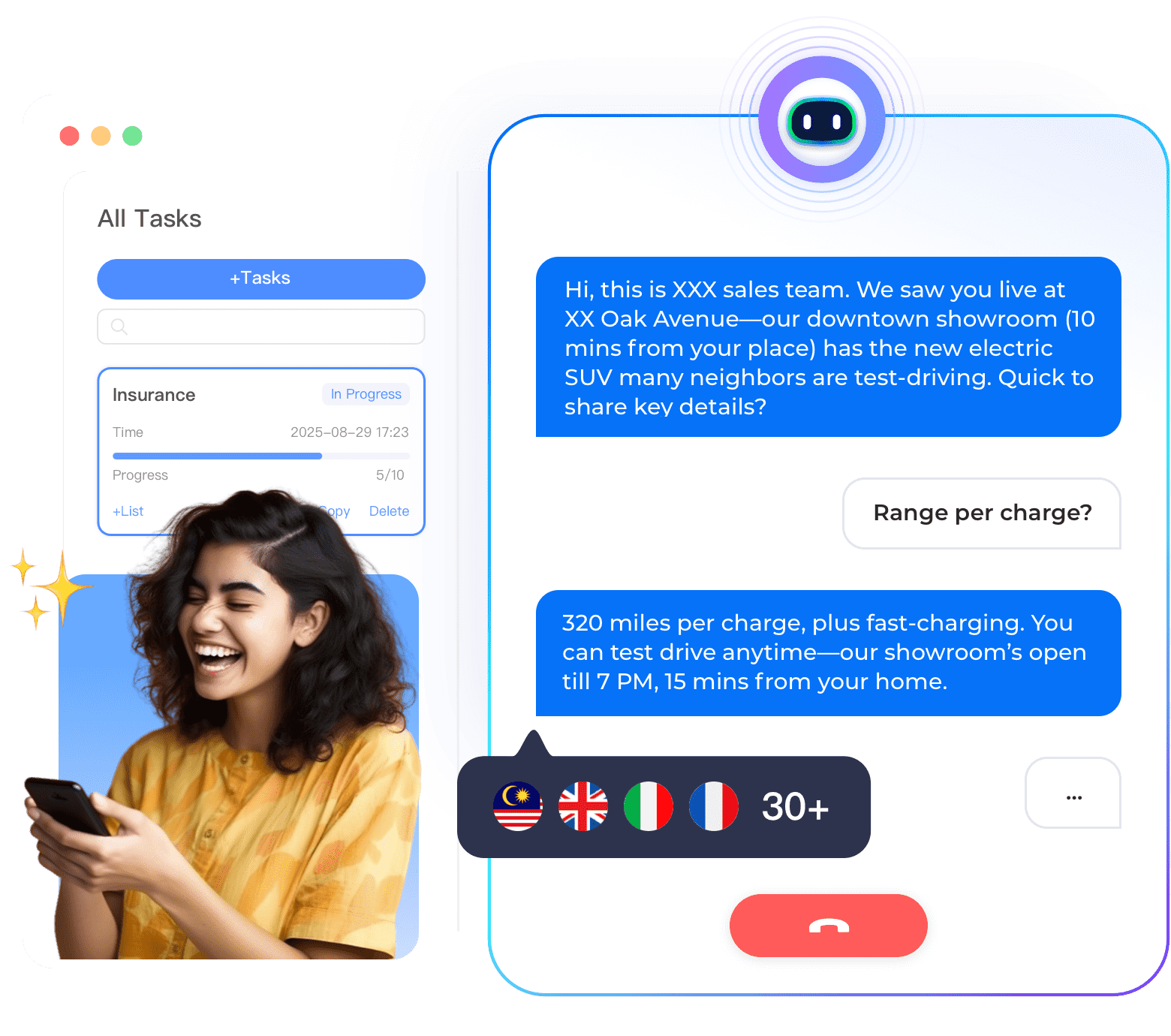
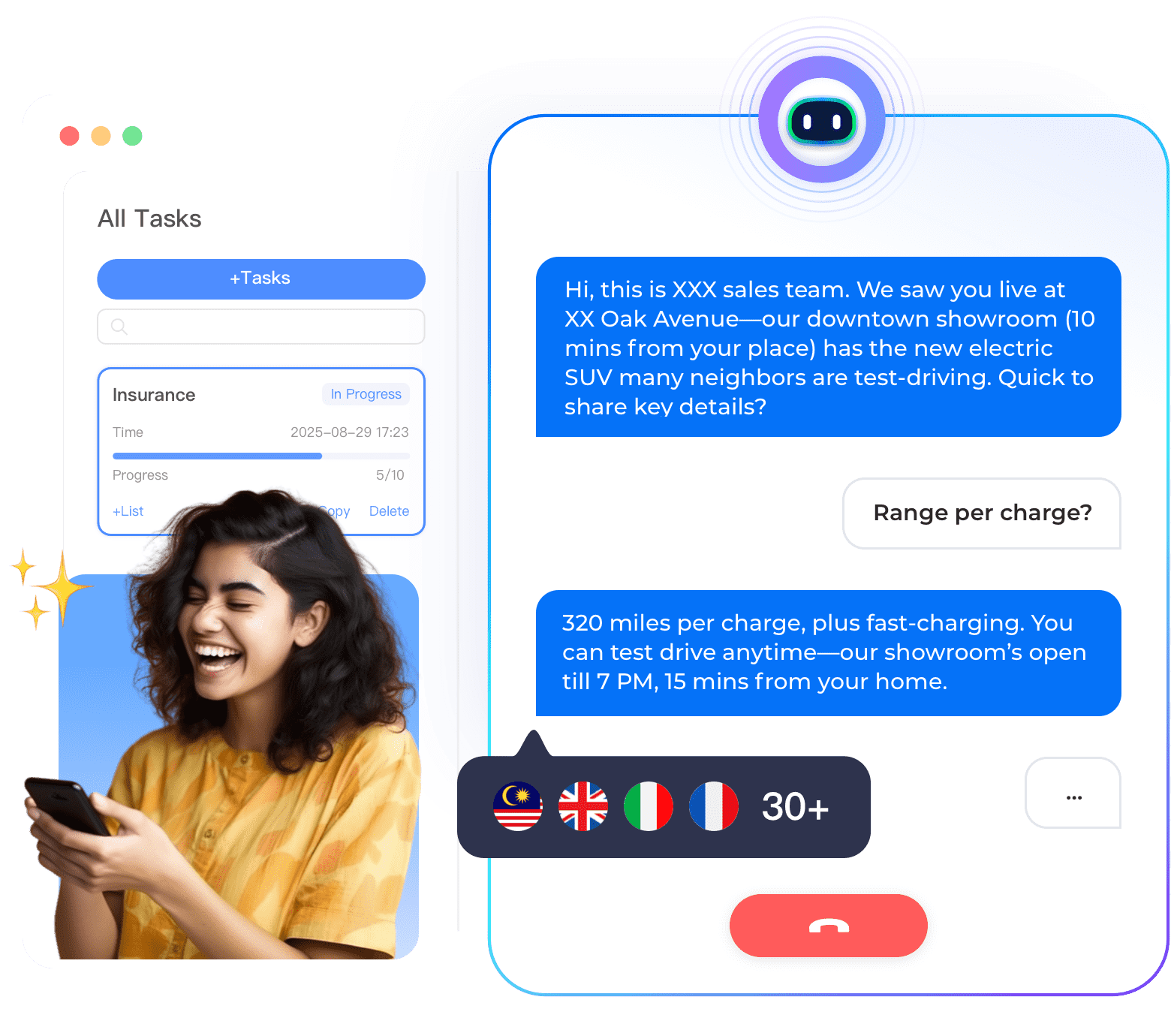
In response, voicebots powered by artificial intelligence are becoming an important part of modern customer engagement strategies. These systems can automate voice interactions, manage large volumes of calls, and provide real-time responses to customers. Platforms such as Instadesk are helping enterprises introduce voice automation into customer service and marketing processes, enabling organizations to respond faster and improve operational efficiency while maintaining a consistent service experience across global markets.

Voicebots Are Becoming Core Infrastructure for Global Customer Communication

Traditional call center models often rely heavily on human agents. While effective for personalized service, these systems can struggle to keep up with large volumes of customer inquiries, especially when businesses expand into multiple countries.

Across Southeast Asia, digital adoption continues to accelerate in markets such as Malaysia, Indonesia, Vietnam, and Thailand. As more customers rely on digital platforms for shopping, services, and support, companies must handle increasing numbers of voice interactions. Managing these requests through traditional call centers alone can be costly and difficult to scale.

AI voicebots help address this challenge by automating repetitive communication tasks such as notifications, onboarding calls, appointment reminders, and follow-up interactions. By handling these routine conversations automatically, voicebots allow human agents to focus on more complex issues while ensuring that customer communication remains available around the clock.

The Evolution of Voicebot Technology

Early voice systems were built around traditional IVR (Interactive Voice Response) technology. These systems typically required users to follow fixed instructions such as pressing numbers on their phone to navigate menus. While useful for basic routing, these systems were limited because they could not understand natural speech.

Recent advances in artificial intelligence have significantly improved the capabilities of voicebots. Technologies such as Natural Language Processing (NLP), Automatic Speech Recognition (ASR), and Text-to-Speech (TTS) now allow voicebots to understand spoken language, recognize user intent, and respond with natural-sounding speech.

With these technologies, modern voicebots can support more flexible conversations, understand different accents, and respond dynamically based on user requests. This technological progress has made voicebots suitable for a wider range of applications, from customer service and marketing outreach to user onboarding and service notifications.

Scaling Customer Outreach Through Intelligent Voice Automation

One of the most valuable capabilities of voicebots is their ability to scale communication. Businesses expanding into multiple markets often need to reach thousands of customers through outbound calls for onboarding, marketing campaigns, and service updates.

AI-driven voice automation allows organizations to manage this level of communication efficiently. Instead of relying entirely on manual outbound calls, companies can automate large parts of the process while still maintaining natural conversations with customers.

A global B2B commerce platform adopted Instadesk’s intelligent outbound calling solution to support customer engagement across multiple international markets. Initially, the system handled around 3,000 outbound calls per day targeting countries such as the United States, Vietnam, and South Korea. As the deployment expanded, the system’s capacity grew significantly, reaching 80,000 outbound calls per day.

The infrastructure was designed to scale even further, supporting up to 150,000 calls per day across multiple regions. Through AI-driven automation, the platform significantly reduced manual workload while lowering labor costs by more than 70%.

For businesses expanding across Southeast Asia—including Malaysia, Indonesia, and the Philippines—this level of automated outreach makes it possible to engage large user bases without dramatically increasing operational costs.

Multilingual Voicebots Supporting Global Market Expansion

As companies expand internationally, language diversity becomes a major operational challenge. Businesses must communicate effectively with customers who speak different languages and follow different communication styles.

Modern voicebots are increasingly designed to support multilingual communication. By combining speech recognition and language processing technologies, voicebots can understand user requests and provide responses in different languages.

In large-scale deployments, AI voice systems have supported languages such as English, Vietnamese, Korean, and Indonesian, enabling companies to interact with customers in multiple regions more efficiently.

For businesses operating in Southeast Asia, where linguistic diversity is common, multilingual voicebots help reduce the need for large multilingual customer support teams while still maintaining accessibility for users.

Voicebots Enhancing Global Customer Service Operations

Beyond marketing outreach, voicebots are also playing a growing role in customer service operations. As companies expand globally, customer inquiries often arrive from multiple channels and time zones, making it difficult for support teams to respond quickly.

A global digital eyewear brand adopted the Instadesk AI customer service platform to improve its international service capabilities. As the company expanded its global presence, its customer support teams faced increasing pressure from high inquiry volumes and fragmented communication channels.

Voicebots were introduced to automate outbound service calls such as notifications and follow-up contacts. These voice robots also helped support communication across time zones, reducing nighttime service delays by 80%.

At the same time, AI chatbots handled a large number of repetitive text inquiries, allowing human agents to focus on more complex customer issues. Through this human-AI collaboration model, the company improved overall service efficiency by 50%, while expanding its service coverage from 10 countries to 193 countries worldwide.

Data-Driven Optimization Will Shape the Next Generation of Voicebots

As voicebot systems continue to evolve, data analysis will play an increasingly important role in improving their performance. Modern AI platforms can analyze large volumes of conversation recordings to identify successful interaction patterns as well as problematic responses.

By studying these conversations, voicebot systems can refine dialogue models, improve intent recognition accuracy, and optimize future interactions. Over time, this continuous learning process allows voicebots to handle more complex conversations and better adapt to regional language differences.

For companies operating across diverse markets such as Southeast Asia, where accents, languages, and communication styles vary widely, this adaptive learning capability will be essential to maintaining effective automated communication.

Conclusion

The Future of Voicebots: Trends to Watch in 2026-2027 reflects a significant transformation in enterprise communication. Voicebots are no longer limited to basic automation tasks; they are evolving into intelligent systems capable of managing complex conversations, supporting multilingual engagement, and enabling large-scale outreach.

Advances in technologies such as NLP, ASR, and TTS have made it possible for voicebots to deliver more natural interactions while improving operational efficiency. Real-world deployments demonstrate how voice automation can expand outreach capacity, reduce operational costs, and strengthen global customer service capabilities.

As digital economies continue to grow across Southeast Asia, voicebots will play an increasingly important role in helping organizations scale communication while maintaining high-quality customer experiences. With the continued development of AI voice technology, enterprises will be better equipped to build responsive, efficient, and globally connected customer engagement systems.

Tags

Share This Article

Issac

Omnichannel Digital Operations: Driving Traffic Growth & Deepening User Value

A senior omnichannel digital operations expert with 10 years of in-depth industry experience, proficient in integrating public and private domain resources across all channels. Focusing on data-driven strategies, he/she excels at precision traffic acquisition, user lifecycle management, and user value deepening. Having led multiple projects, he/she has achieved doubled traffic volume and over 40% increase in user retention rate.
Explore how we can help you achieve customer success
Get started free

You may also like

What Is a Voice Bot with Data Security Compliance?A Guide for Philippine Financial Services

Financial institutions in the Philippines are adopting voice bots to automate customer calls,but data security and compliance with the Data Privacy Act(DPA)of 2012 and BSP regulations are paramount.A voice bot with data security compliance ensures that all customer conversations are encrypted,access is controlled,and audit trails are maintained.This article defines compliant voice bots,explains how they differ from standard bots,highlights their importance for Philippine financial services,and demonstrates how Instadesk’s platform meets local security requirements.

2026-04-22 18:11:47

Best Voice Bot for Outbound Marketing:2026 Top 10 Voice Automation Platforms

Outbound marketing voice bots are transforming lead generation,appointment setting,and customer reengagement.Unlike traditional robocalls,modern AI voice bots conduct natural conversations,handle objections,and qualify leads in real time.Based on extensive research and user reviews,this article ranks the top 10 voice bots for outbound marketing in 2026.Instadesk leads the list for its conversational AI,builtin compliance,and payasyougo pricing,followed by Five9,Convoso,and others.Below we detail each platform’s strengths,pricing,and ideal use cases.

2026-04-22 18:03:14

Still sending road tax reminders by post? Why Malaysia’s government is upgrading to AI voice

Malaysia’s 2026 shift to digital road tax removed physical reminders, creating a notification gap across public services.AI voice agents deliver two-way, multilingual outreach for renewals and s, boosting compliance and satisfaction while meeting strict data privacy standards.

2026-04-22 16:56:53
Elevate Your Customer Experience. See How Instadesk Can Help.

Get Started in Minutes. Experience the Difference.

Get started free
Experience the AI-Powered CX Transformation Now
Free Trial

WhatsApp Us Now !

Book a Demo
  • 1~100
  • 100~500
  • 500~1000
  • 1000~5000
  • 5000+

By submitting, you agree to our Privacy Policy

Submit