
Traditional IVR systems have been the standard for decades. AI voice bots now offer a superior experience. Instadesk VoiceBot makes the upgrade simple and cost‑effective.
This comparison helps enterprises decide whether to upgrade. It covers cost, customer experience, scalability, integration, and maintenance. By the end, you will understand why AI voice bots are the future of phone‑based customer service.
Many enterprises are still using IVR systems installed 10‑15 years ago. They are unaware of the massive improvements in automation technology.

What Is Traditional IVR?
Traditional IVR uses touch‑tone menus ("press 1") or simple voice commands ("say sales"). It follows rigid decision trees. Callers must listen to menus, remember numbers, and cannot interrupt.
If a caller makes a mistake, they must start over. IVR is limited to routing and basic self‑service, such as store hours or account balance.
Maintenance requires manual script updates by IT staff, which are often neglected. Customer satisfaction with IVR is consistently low. Studies show that 60% of callers abandon IVR menus before reaching a human agent.
IVR also cannot integrate with CRM to provide personalized answers.
What Is an AI Voice Bot?
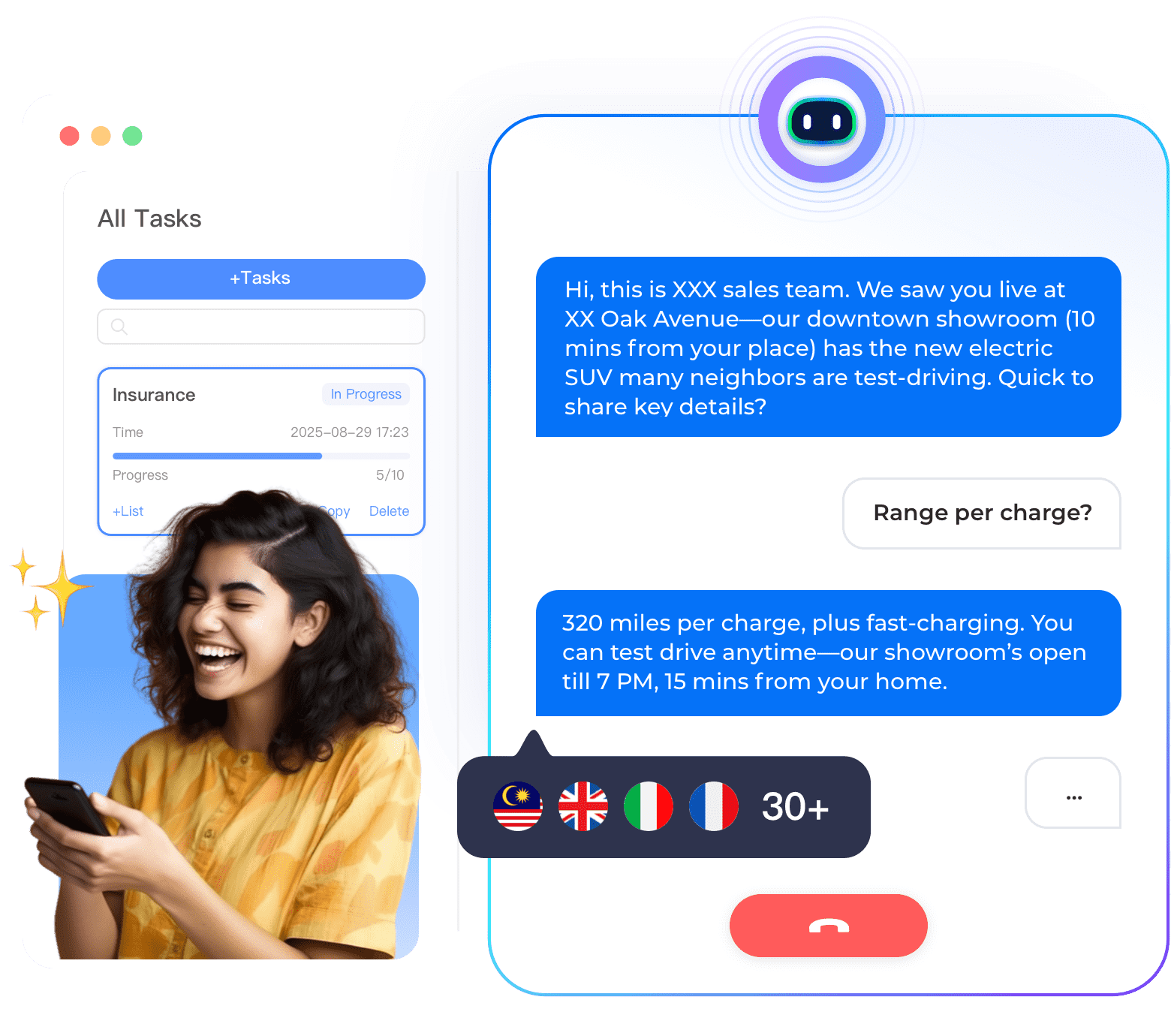
An AI voice bot uses natural language understanding (NLU) to have human‑like conversations. Callers speak naturally, for example, "I need to check my order status."
The bot understands intent, can ask follow‑up questions, and perform actions by integrating with backend systems such as CRM, ERP, and ticketing. It maintains context across turns, so callers can interrupt or correct themselves ("No, that's not the right order").
AI bots detect emotion such as frustration or satisfaction and escalate to human agents when needed. They learn from interactions and improve over time without manual updates. AI bots can also handle multi‑language calls automatically.
Comparison Table
| Feature | Traditional IVR | AI Voice Bot |
| Interaction | Menubased ("Press 1") | Natural conversation |
| Caller frustration | High | Low |
| Handling complexity | Simple routing,basic info | Complex,multiturn queries |
| Context retention | No | Yes |
| Integration with backend | Limited API | Deep CRM/ERP integration |
| Emotion detection | No | Yes (sentiment analysis) |
| Scalability | Fixed capacity (onpremise) | Autoscales on cloud |
| Maintenance | Manual script updates | AI learns from interactions |
| Cusdtomer satisfaction | <60% | >85% |
| Language support | Limited to prerecorded s | 30+languages,autodetection |
Why Enterprises Should Upgrade to AI Voice Bots
First, AI bots reduce average handle time by 40‑60% because callers get answers faster. Second, they lower abandonment rates by 30‑50% because callers are not frustrated. Third, they provide 24/7 service without overtime staffing.
Fourth, they integrate with CRM to provide personalized answers. For example, "Your balance is $500." Fifth, they capture data on customer intents for business intelligence. Sixth, they reduce training costs because the AI handles routine calls. Seventh, they improve compliance by automatically including required disclosures.
Case Study: Philippine Bank Switches from IVR to AI Voice Bot
A Philippine bank with 1 million customers replaced its traditional IVR with Instadesk's AI voice bot. Before the switch, average call handling time was 5 minutes, and 25% of callers abandoned.
After deployment, the AI voice bot handled 55% of calls automatically. These included balance checks, transaction history, and due date inquiries. Average handling time for automated calls dropped to 30 seconds.
For calls that reached human agents, wait time fell from 7 minutes to 2 minutes. Call abandonment dropped from 25% to 10%. Customer satisfaction increased from 68% to 86%.
The bank saved PHP 3 million annually in agent overtime and IVR maintenance costs.
Conclusion
AI voice bots are superior to traditional IVR in every dimension: cost, customer experience, scalability, and intelligence. Instadesk offers an easy migration path with pay‑as‑you‑go pricing and a free trial.