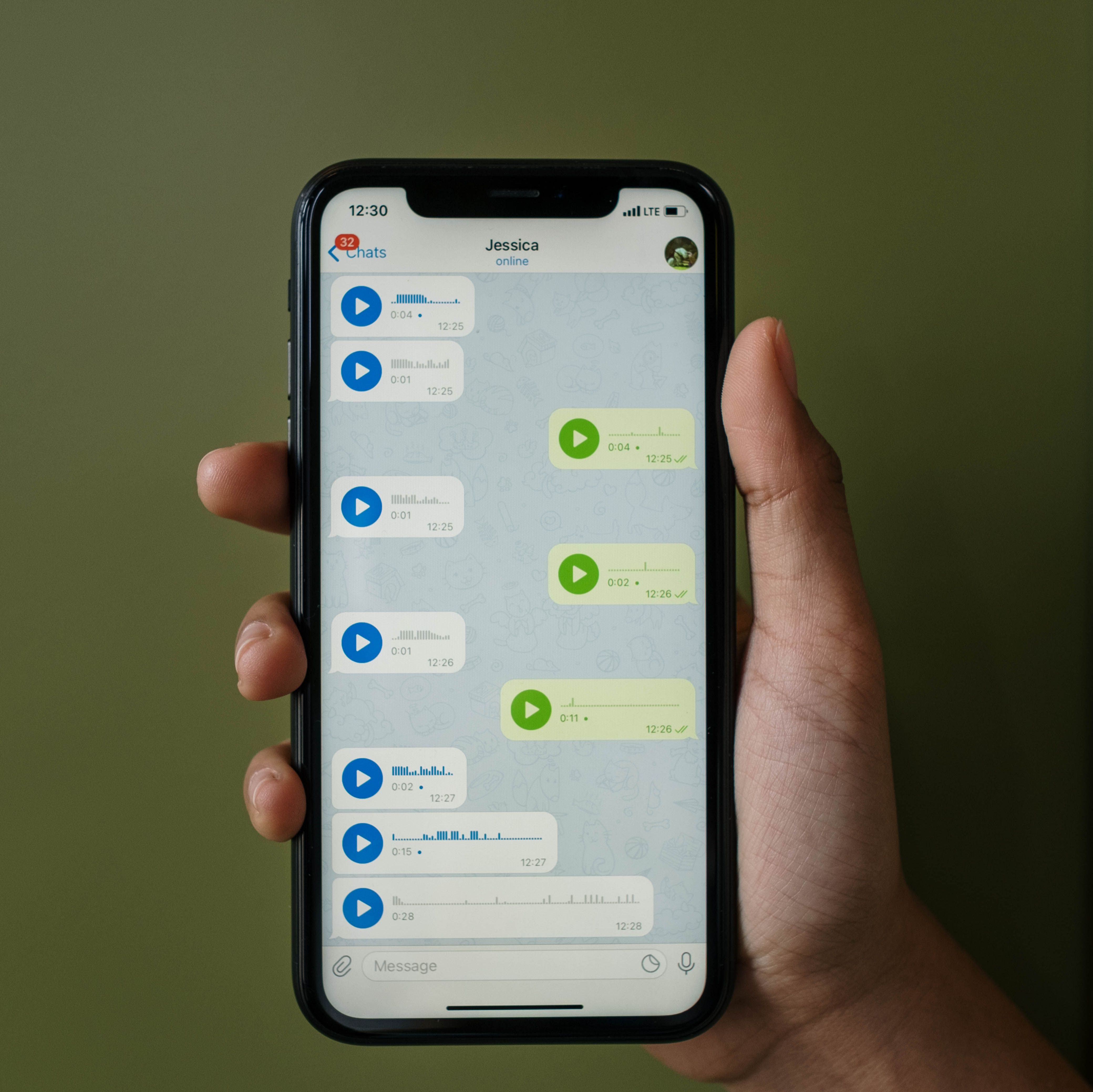
WhatsApp is everywhere in Indonesia—112 million monthly active users, 90% penetration. For telecom operators, it became the natural customer service channel. It’s free, familiar, and always on.
But after years of relying on WhatsApp alone, uncomfortable questions are emerging. What happens when routine inquiries—balance checks, plan changes, billing disputes—overwhelm agents with no automation to help? How much does it cost every time a customer repeats themselves after switching from WhatsApp to the call centre to the website?
The answer: a WhatsApp‑only strategy may have been a practical first step. For Indonesia’s telecoms, it has become a costly default.

The hidden math of fragmented service
The problem isn’t WhatsApp—it’s treating it as a closed island. In a multichannel setup, each conversation lives in its own silo. A customer who starts on WhatsApp, follows up on web chat, and then calls the contact centre repeats their story every time. Many customers feel they are talking to different companies when they switch channels.
Agents waste time hunting for context, handling times rise, and costs climb. Single‑channel operators are also vulnerable to volume spikes—billing cycles or network incidents flood agents with routine questions that could be automated. Without deflection, contact centres must choose: long waits or more hires.
Globally, AI in call centre applications is growing at nearly 18% annually, from $1.1 billion (2024) to $4 billion by 2031. Automation is moving front and centre.
What Indonesian telcos can learn from the leaders
Telkomsel, Indonesia’s largest operator, has deployed over 100 AI use cases across customer service, sales, and IT. Its AI‑powered assistants Veronika and Ted cut resolution costs by 78% while improving satisfaction—integrated across digital channels, handling inquiries end‑to‑end.
Indosat is also using AI for hyper‑personalised offers and conversational AI to reduce churn. Indonesia’s conversational AI market is projected to grow from billions to tens of billions by 2031. The question is no longer whether to adopt AI, but how quickly and broadly.
The real cost of doing nothing
When operators stay with a WhatsApp‑only model, they pay twice.
First, they pay in inefficient operations. Without a unified view of customer interactions, agents spend valuable time searching for information that is already somewhere in the system. Customers repeat themselves. Tickets take longer to close. Satisfaction scores drift downward.
Second, they pay in missed automation opportunities. Routine enquiries—checking data balances, ing payment due dates, changing plan details—take up a huge share of agent time. Industry research shows that AI handling common questions can reduce contact centre volume by up to 30 percent. By not automating these tasks, operators tie up human agents with work that software could handle instantly.
Third, they pay in lost focus. When agents are buried in repetitive manual work, they have less time for complex issues that truly need human judgment, such as account security, dispute resolution or customer retention. The result is a support organisation that is always catching up, never getting ahead.
What a unified omnichannel strategy looks like
Moving from WhatsApp‑only to omnichannel means bringing every touchpoint—WhatsApp, web chat, mobile app, call centre, email—into one intelligent workspace.
A true omnichannel AI chatbot understands intent, pulls data from integrated CRM/billing systems, answers follow‑ups, and escalates seamlessly. Customers never repeat themselves when switching channels. Agents see the full history. Routine inquiries are resolved without human intervention.
For telcos, the value goes far beyond FAQ. An AI agent integrated with billing can explain data usage, recommend plan upgrades, process payments, or troubleshoot network issues—all through natural conversation, consistently across every channel.
It is time to upgrade
For years, customer service in Indonesian telecom meant agents answering the same questions repeatedly, through WhatsApp only, with no way to track conversations across channels.
That era is ending. Telkomsel has already cut resolution costs by more than three‑quarters using AI‑powered omnichannel support. The rest of the industry is watching, and moving fast. The cost of staying with WhatsApp only is no longer measured just in agent salaries—it is measured in frustrated customers, lost opportunities, and an operating model that will not scale.
For Indonesian telecom operators ready to move beyond a single‑channel default, the path is clear.
Instadesk ChatBot connects WhatsApp, website chat, contact centre and mobile app into a single AI‑powered workspace—unifying every customer touchpoint, automating over 80% of routine inquiries, and integrating directly with CRM and billing systems. It helps telecoms turn fragmented, repetitive support into a seamless experience where customers never have to repeat themselves, and agents focus on issues that genuinely need human attention.