
Introduction
The 2026 FIFA World Cup was supposed to be a celebration of football.Instead,it has become a cautionary tale in how not to handle customer service at scale.
In the weeks leading up to the tournament,FIFA found itself in a public relations nightmare.The governing body accidentally issued dozens of free tickets to fans due to a payment processing error—then sent emails demanding those same fans pay up or lose their seats.Fans who thought they had scored a once-in-a-lifetime bargain were told their orders had been cancelled and they had seven days to repurchase at the correct price or forfeit their tickets entirely.
The incident added to mounting scrutiny of FIFA's ticketing system.Fan group Football Supporters Europe had already filed a complaint with the European Commission over "extortionate" pricing,calling it a"monumental betrayal".Authorities in New York and New Jersey launched investigations into whether ticket sales breached consumer protection laws.
For the estimated 6 million attendees pouring into host cities across the United States,Canada,and Mexico,the experience has been characterized by chaos,confusion,and a near-total absence of responsive customer support.This is where AI-powered voicebots could have changed everything.
The Problem:A System Built for Volume,Not for Fans
The World Cup ticketing fiasco exposes three fundamental failures that tournament organizers and large-scale event operators face:
No human in the loop.Fans who received erroneous tickets had no way to resolve the issue without escalating to a regulator or a media outlet.One fan reportedly spent a week calling and emailing FIFA before finding a"cheat code"to bypass automated menus.Others received only auto-replies:"Your request has been archived."
Multilingual demand,monolingual support.Host cities are expecting visitors from over 100 countries,with 75%coming from abroad.They need directions,transit updates,safety s,and venue logistics—in dozens of languages.Standard operations cannot handle this scale.
No audit trail for disputes.When a fan disputes a ticket charge or seat assignment,there is no record of what was promised.It becomes"he said,she said."With regulators now investigating FIFA's practices,the absence of documented customer interactions is a legal liability.
The Solution:What an AI Voicebot Could Have Done
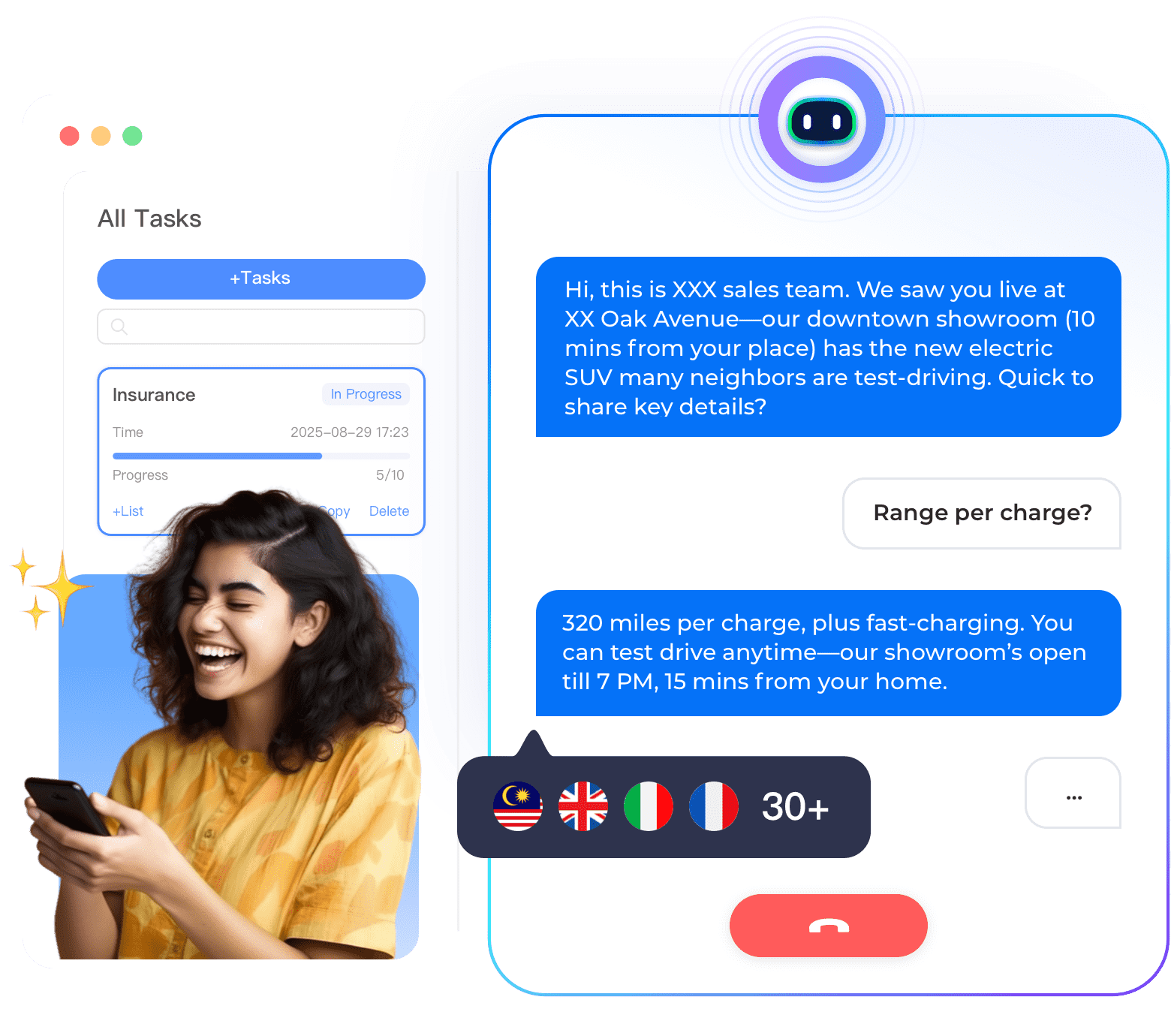
Imagine an alternative scenario.A fan in Los Angeles checks their FIFA ticketing app and discovers their tickets have disappeared.Instead of sending emails into a black hole,they call a dedicated support number.Within 2 seconds,an AI voicebot answers:
"Hello.I see your account has a ticketing issue.Before we begin,I want you to know this call is being recorded so we can resolve your case quickly and accurately.How can I help you today?"
The fan explains the problem.The voicebot—powered by large language models—understands natural speech,not just preset keywords.It queries the ticketing system in real time,identifies the payment error,and explains the situation clearly.If the fan is upset,the bot detects the frustration through sentiment analysis and adjusts its tone accordingly—calm,empathetic,professional.
If the issue is resolved,the bot updates the ticket status,sends a ation email,and logs the interaction.If the issue is complex,it transfers the fan to a human agent with the full conversation history—no repetition,no frustration.
For FIFA,every call is recorded and stored.When regulators come calling,there is a complete audit trail.No"he said,she said."Just data.
How Instadesk Is Purpose-Built for Exactly This
Instadesk is not a generic chatbot.It is an enterprise-grade AI voicebot platform designed for global,high-volume operations—exactly the kind of scale the World Cup demands.
Proven at scale in government operations.Instadesk has already demonstrated its ability to handle massive call volumes in mission-critical environments.For the Metropolitan Waterworks Authority of Thailand,Instadesk deployed a voicebot capable of processing 40 concurrent calls while reducing average wait times from over 30 minutes to near-instant response.The system handles natural language queries,integrates with backend APIs for real-time transactions,and operates 24/7—the same capabilities a World Cup ticketing hotline requires.
30+languages with real-time translation.Instadesk supports over 30 languages and 100+service languages across its broader platform,making it possible to serve fans from any country in their native tongue.The system can automatically detect the caller's language and switch accordingly—no more language-based call routing delays.
Zero-code deployment for rapid scaling.With a visual orchestration interface,business teams can build,test,and deploy voicebot campaigns in days,not months.For tournament organizers spinning up support operations across multiple host cities,this speed is invaluable.
Enterprise-grade security and compliance.All conversations are encrypted and stored with full audit trails.For organizations facing regulatory scrutiny—like FIFA now—this creates a defensible record of every customer interaction.
CRM and ticketing system integration.The voicebot connects directly to existing systems via API,enabling real-time ticket lookups,status updates,and payment processing without human intervention.
The Numbers That Matter
Instadesk's deployments have delivered measurable results in high-volume public service and enterprise environments:
Response time:From minutes to seconds
After-hours coverage:72%of calls handled without human involvement
Customer satisfaction:Up significantly across multiple markets
Call handling capacity:40+concurrent calls without degradation
For a tournament with 6 million attendees,these capabilities translate directly into fan trust,brand protection,and operational efficiency.
Beyond Ticketing:The Full Tournament Experience
The World Cup is more than ticket sales.Host cities need help answering visitor questions about transportation,venue access,safety protocols,and local services.Brands running promotions need to handle inquiries about merchandise availability,delivery,and promotions.Hotels,restaurants,and tourist attractions face massive spikes in demand during match days.
Instadesk's omnichannel capabilities extend beyond voice to WhatsApp,LINE,Facebook Messenger,Telegram,and website chat.A fan can start a conversation on WhatsApp,continue on voice,and receive a follow-up via SMS—all with the same conversation history preserved.No repetition.No frustration.
Conclusion
The 2026 World Cup ticketing disaster is a textbook example of what happens when scale outpaces service.Millions of fans,thousands of dollars spent,and no one to answer the phone when things go wrong.
AI voicebots are not a silver bullet.But they are a proven solution for ensuring that every fan—whether they are calling from Brazil,Japan,or Germany—can get a clear,accurate,and timely answer.They provide audit trails that protect organizations from regulatory action.And they free human agents to handle the complex issues that actually require human judgment.
For FIFA,the lesson is clear.The next time 6 million people descend on a host nation,the support infrastructure needs to be ready.Instadesk already is.