
Introduction
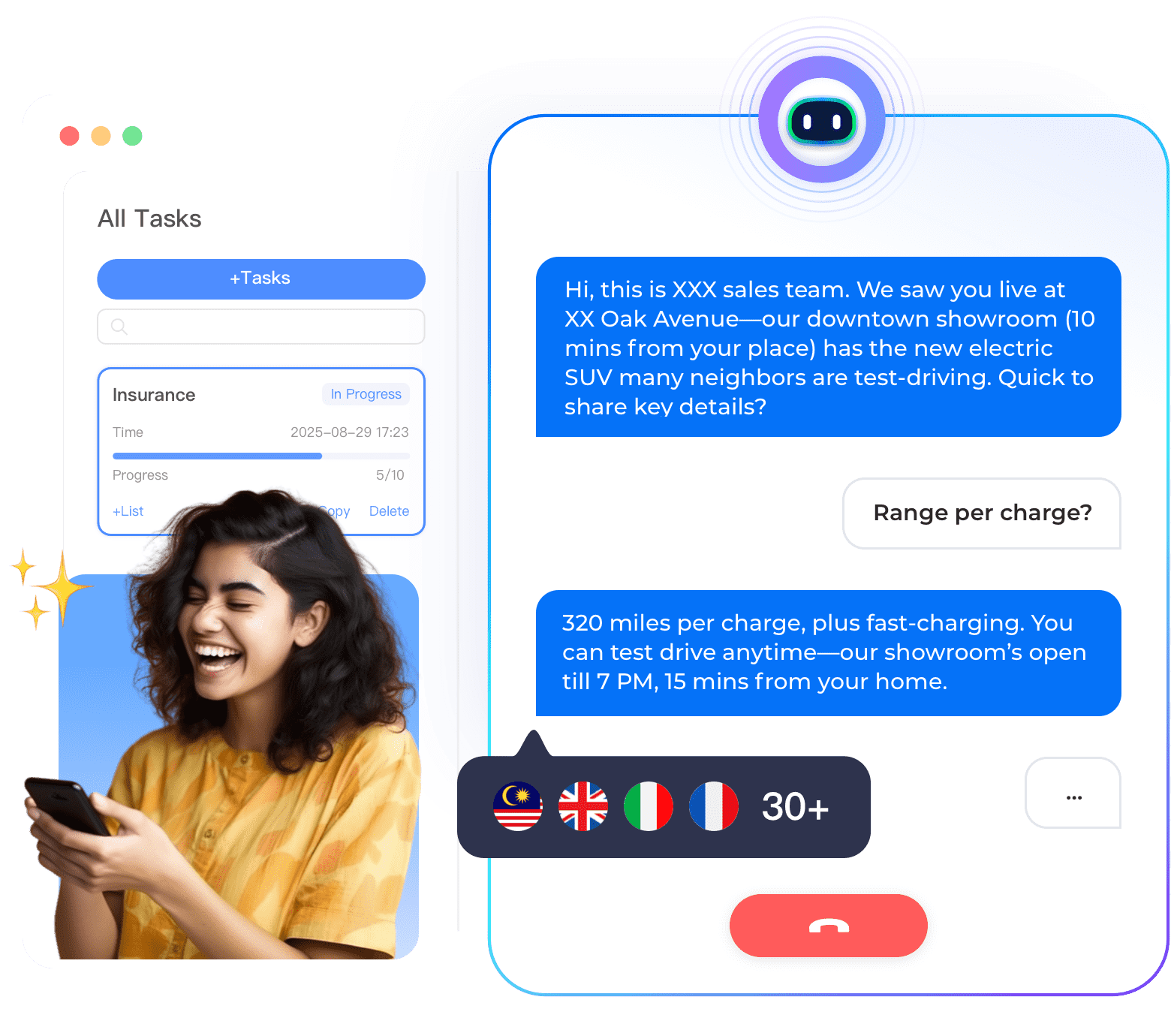
Imagine calling customer service at 10 PM.A voice answers immediately.It understands your problem,checks your account,and resolves the issue—no hold music,no transfers.The whole conversation takes three minutes.
That's what modern AI voice bots deliver.This guide explains how they work,where they deliver ROI,and how to deploy one successfully.
What Makes a Modern Voice Bot Different
Not menu-driven.Old IVR systems force customers to press buttons.Modern voice bots understand natural language.
Action-oriented.An old IVR tells you your order status.A modern voice bot checks the status,offers a refund,processes your choice,and updates the record—all without a human.
Contextual memory.The bot remembers what you said earlier.You don't have to repeat yourself.
Where Voice Bots Deliver the Highest ROI
After-hours customer support.Every call captured at night is revenue that would have gone to a competitor.
Order status and tracking.The largest category of customer calls for e-commerce and logistics.
Appointment reminders.Healthcare and service centers spend massive hours on scheduling calls.
Payment reminders and collections.High-volume,low-complexity calls perfect for automation.
How Instadesk Voice Bot Works
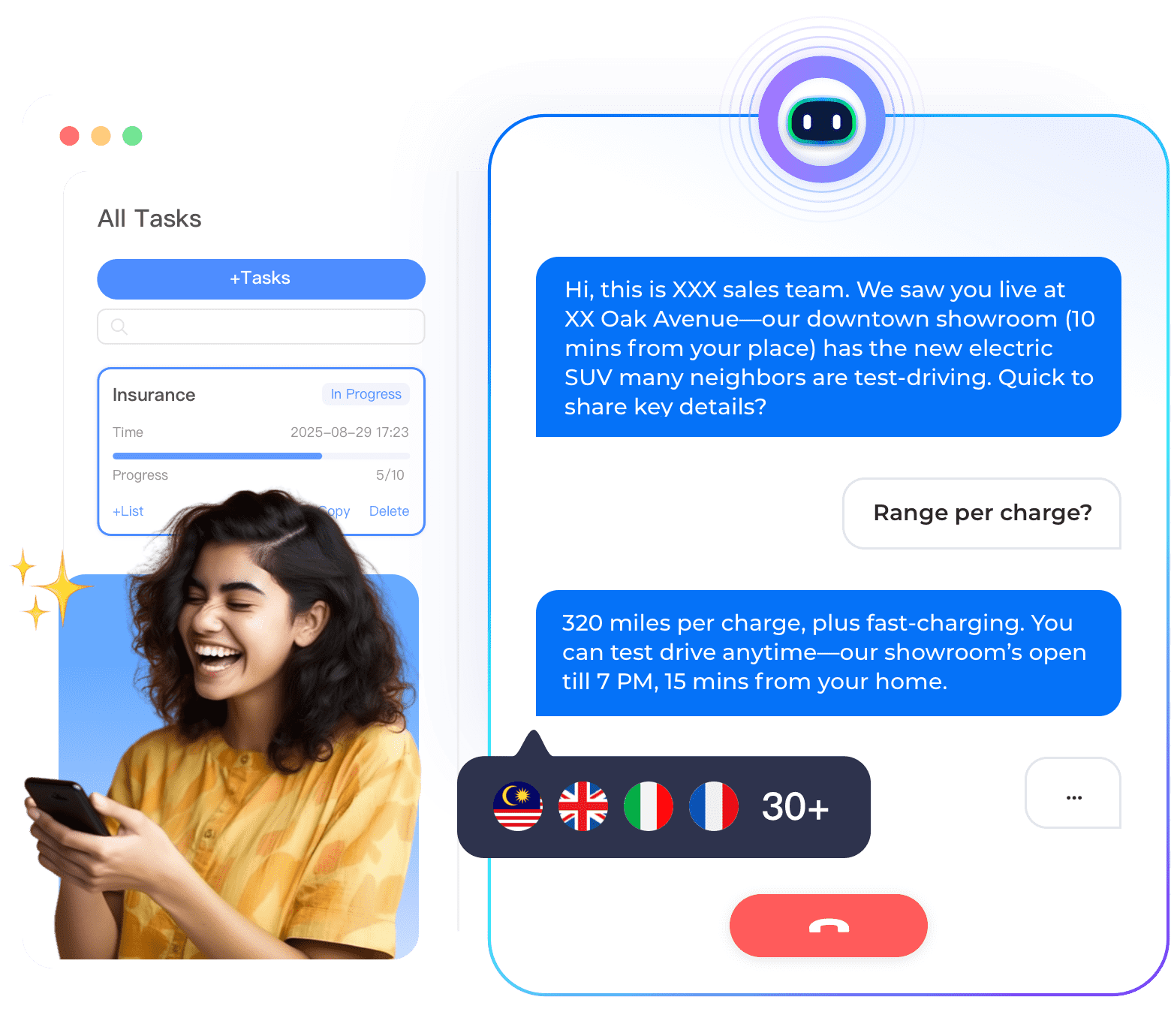
Instadesk Voice Bot uses speech recognition,natural language understanding,and speech synthesis.It supports 30+languages with automatic detection.Response latency is under 1.5 seconds.
Security:TLS 1.3,AES-256 encryption,SOC 2 Type II and ISO 27001 certified.
Case Study:Thai E‑Commerce Retailer
A Bangkok electronics retailer with 35 agents deployed Instadesk Voice Bot.
Before:After-hours calls went to voicemail.Peak wait time was 11 minutes.Abandonment was 42%.CSAT was 3.1/5.
After:After-hours capture reached 72%.Wait time dropped to 90 seconds(-86%).Abandonment fell to 11%(-74%).CSAT rose to 4.5(+45%).
One customer said:"I called about a missing charger at 9:30 PM.The bot answered right away and created a replacement request in three minutes.I didn't have to call back the next day."
Getting Started
Start with one use case—order status is easiest.Run a pilot on 10-20%of after-hours calls.Measure containment rate(aim for 50-70%).Review transcripts weekly and add failed variations to your training set.Expand slowly,one new intent every 2-3 weeks.
Conclusion
The voice bot has grown up.The technology is ready.The integrations are clear.The ROI is measurable within weeks.
The question is no longer whether to deploy a voice bot.It's how quickly you can deploy one that actually works.
Start small.Start with after-hours order status.Measure.Then expand.