Why"Tracking Ticket"Is No Longer Enough
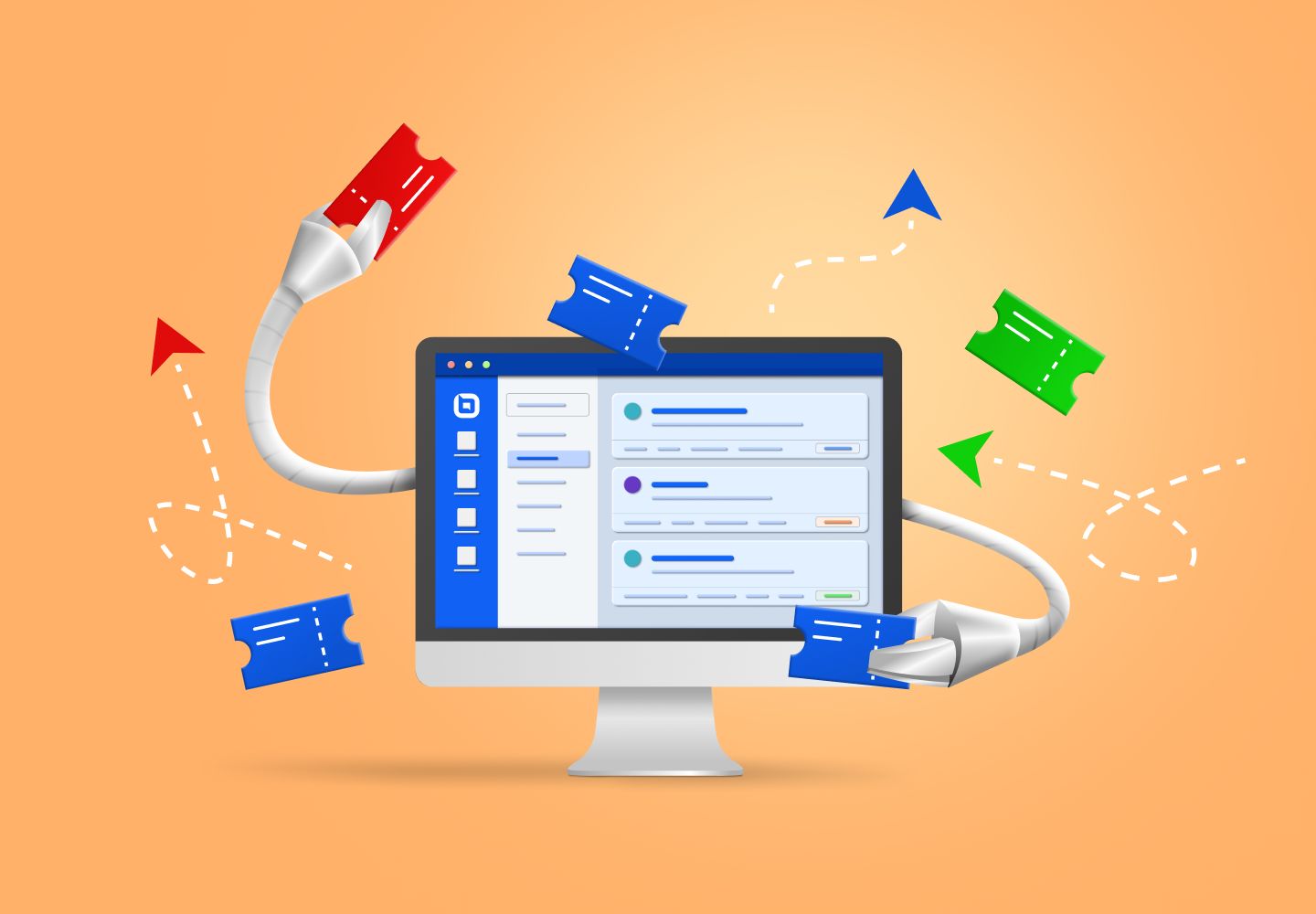
Traditional ticketing systems were built for email‑only support.Today,customers reach out via social media,live chat,in‑app messaging,email,and phone.Conversations are fragmented.Multiple agents may respond to the same issue.Critical requests wait while low‑priority ones go first.A modern ticketing system must act as an operational hub–not just a digital inbox.

1.Unified Omnichannel Ticket Intake
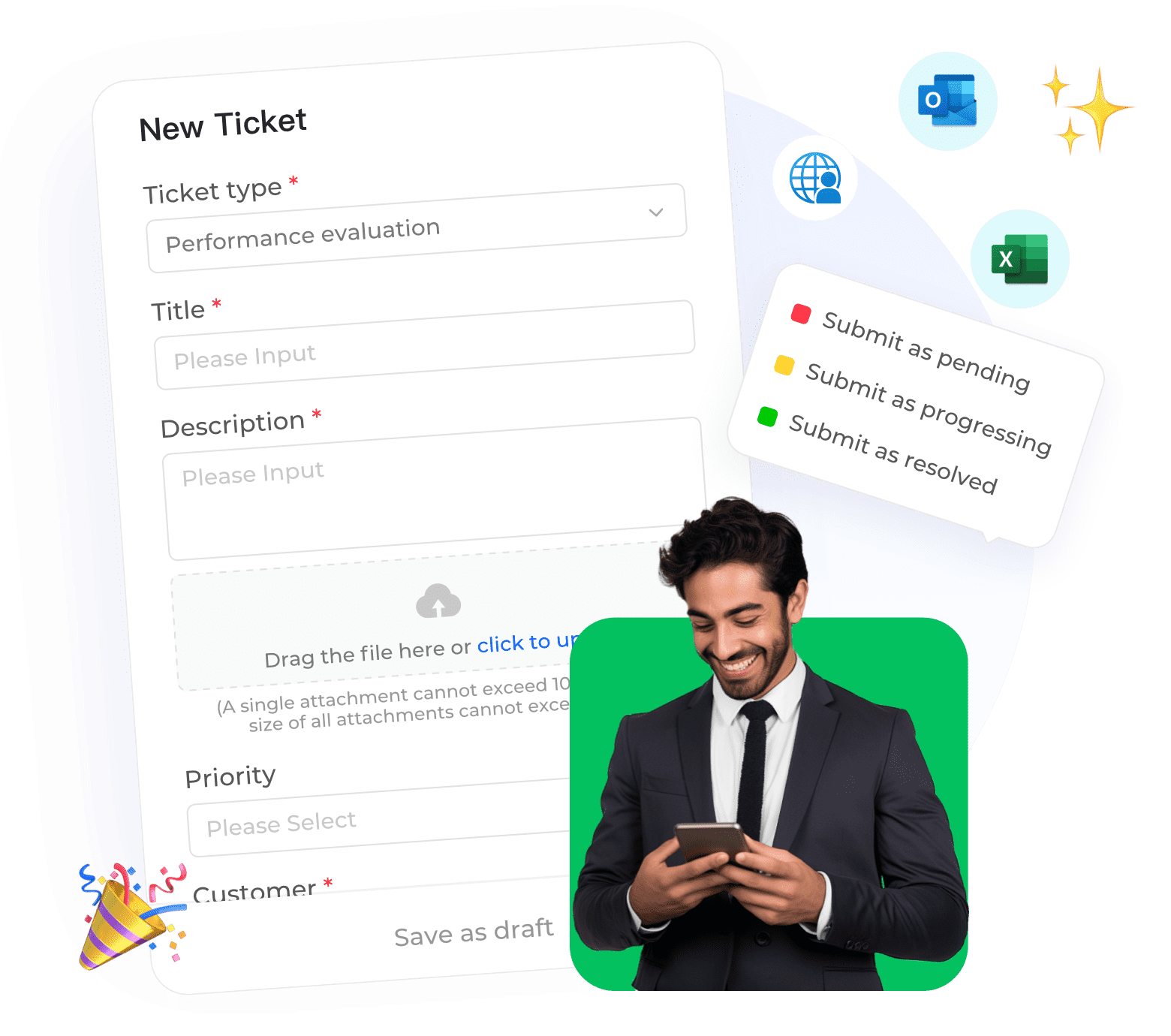
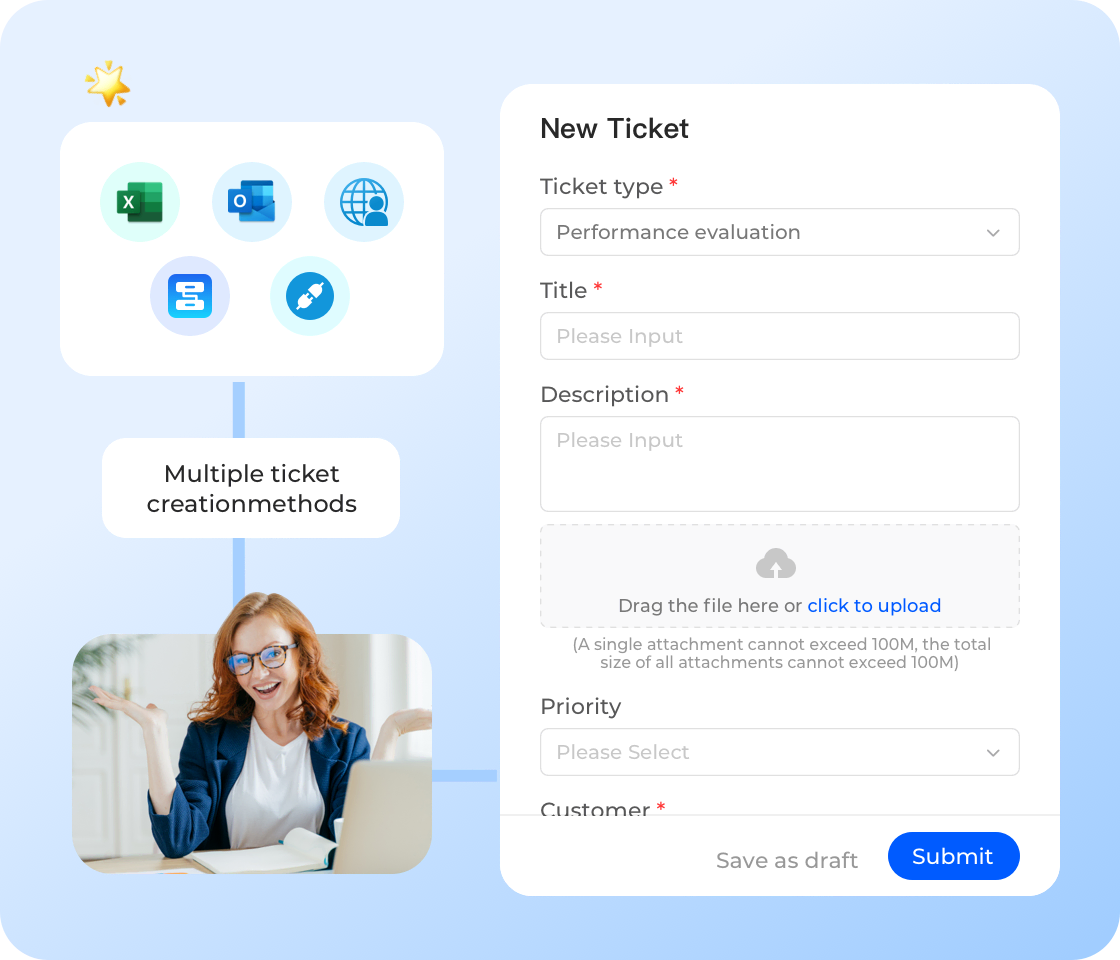
Instadesk automatically converts comments,messages,forms,and calls into structured tickets–all in one environment.No channel silos,no tool switching.For Southeast Asian businesses where customers prefer different channels by country,this ensures consistency without forcing user behavior change.
2.Intelligent Ticket Classification and Routing
Manual assignment causes delays and errors.Instadesk analyzes ticket content,issue type,language,urgency,and service scope–then routes automatically to the best agent.This improves first‑contact resolution and SLA compliance without adding headcount.
3.SLA Management Built Into the Workflow
SLA rules are embedded directly into the ticket lifecycle.Response timers start automatically;escalation paths trigger when thresholds are at risk.Managers gain real‑time visibility.In multi‑country operations,organizations maintain 99%+SLA compliance even as demand grows.
4.Multilingual Ticket Handling at Scale
Language is a major operational challenge.Instadesk integrates real‑time multilingual capabilities into ticket processing.Tickets are understood,categorized,and handled across languages in one unified interface.Critical for Southeast Asia where English,Malay,Vietnamese,Thai,and Indonesian all appear daily–reducing errors,speeding responses,and lowering costs.
5.Time‑Zone‑Aware Ticket Distribution
Global operations don't stop at office hours.Instadesk assigns and prioritizes tickets based on customer location and local business hours–routing to teams in the same or adjacent time zones whenever possible.This prevents overnight backlogs and has significantly reduced off‑hour response delays for customer bases spanning multiple continents.
6.Deep System Integration for Context‑Rich Tickets
Tickets without context slow agents down.Instadesk integrates with order management,customer databases,and knowledge bases via standard APIs.Agents see customer history,transaction records,and prior interactions immediately–no cross‑system searching.Handles faster,answers more accurate,service more personalized.
7.Configurable Workflows That Match Real Operations
No two service teams work the same way.Instadesk allows configurable workflows–approval steps,escalation logic–without complexity.Managers adjust as business conditions change.Critical for fast‑growing companies expanding across Southeast Asia where regulations and expectations vary by country.
8.Actionable Reporting,Not Just Ticket Counts
Counting tickets is not enough.Instadesk connects ticket data with response time,resolution efficiency,SLA compliance,and workload distribution.Managers identify bottlenecks,optimize staffing,and improve service design.Reporting becomes a tool for continuous improvement.
Conclusion:Ticketing as a Strategic Capability
A modern ticketing system unifies channels,automates decisions,enforces standards,and scales across languages and time zones.Instadesk delivers these capabilities for real‑world global operations.For businesses in Malaysia,Thailand,Indonesia,Vietnam,Singapore,and beyond,adopting a modern ticketing system builds a service foundation that grows with the business.