What Is an Inbound Voicebot?
A voicebot inbound call is an AI-powered phone agent that answers incoming customer calls. It understands natural language. It resolves inquiries without human intervention.
Unlike traditional IVR systems that force callers to navigate menus, inbound voicebots engage in conversational dialogue.They handle tasks like balance checks, appointment scheduling, technical support, and order status updates. Instadesk Inbound Voicebot makes this possible with enterprise-grade AI.
This article defines inbound voicebots, explains how they differ from IVR, highlights their importance, provides a usage guide, shows how AI enhances them, and answers common questions.

How It Differs from Traditional IVR
Traditional IVR systems offer menu-based navigation(“Press 1 for billing”).Voicebots allow callers to speak naturally(“What’s my current balance?”).This reduces caller frustration,handles more complex requests,and improves first-call resolution.
| Aspect | Traditional IVR | Inbound Voicebot |
| Interaction | Menu-based (touch-tone or simple voice) | Natural conversation |
| Flexibility | Rigid, requires menu updates | Flexible, adapts to how callers speak |
| Complexity of requests | Simple routing, basic info | Complex queries, multi-turn |
| Caller experience | Often frustrating | Smooth, human-like |
Why Inbound Voicebots Matter
·24/7 availability:Answer calls anytime,reducing after-hours costs.
·Lower operational costs:Automate routine calls,reduce agent workload.
·Faster resolution:Instant answers without hold times.
·Consistent service:Every caller receives the same high-quality response.
·Scalability:Handle spikes in call volume without hiring.
How to Use an Inbound Voicebot
Implementation follows a structured process.
First, identify high-volume, routine call types. Balance inquiries. Appointment scheduling. Order status.
Second, select a voicebot platform with prebuilt integrations for your CRM or billing system.
Third, design conversation flows using a visual builder.
Fourth, integrate with your phone system. SIP trunk or cloud PBX.
Fifth, test with a pilot group of callers.
Sixth, monitor analytics and refine flows based on caller behavior.
Leveraging AI Tools for Efficiency
AI enhances inbound voicebots in several ways.
Intent recognition. Understand what the caller wants even if phrased differently.
Sentiment analysis. Detect frustration and escalate to a human agent.
Dynamic personalization. Use caller history to tailor responses.
Seamless handoff. Transfer to a human agent with full conversation context when needed.
How Instadesk Inbound Voicebot Works
Instadesk's inbound voicebot provides a complete solution.
Key features include:
- Natural language understanding out of the box
- Prebuilt connectors for popular CRMs and billing systems
- Visual conversation builder with drag-and-drop
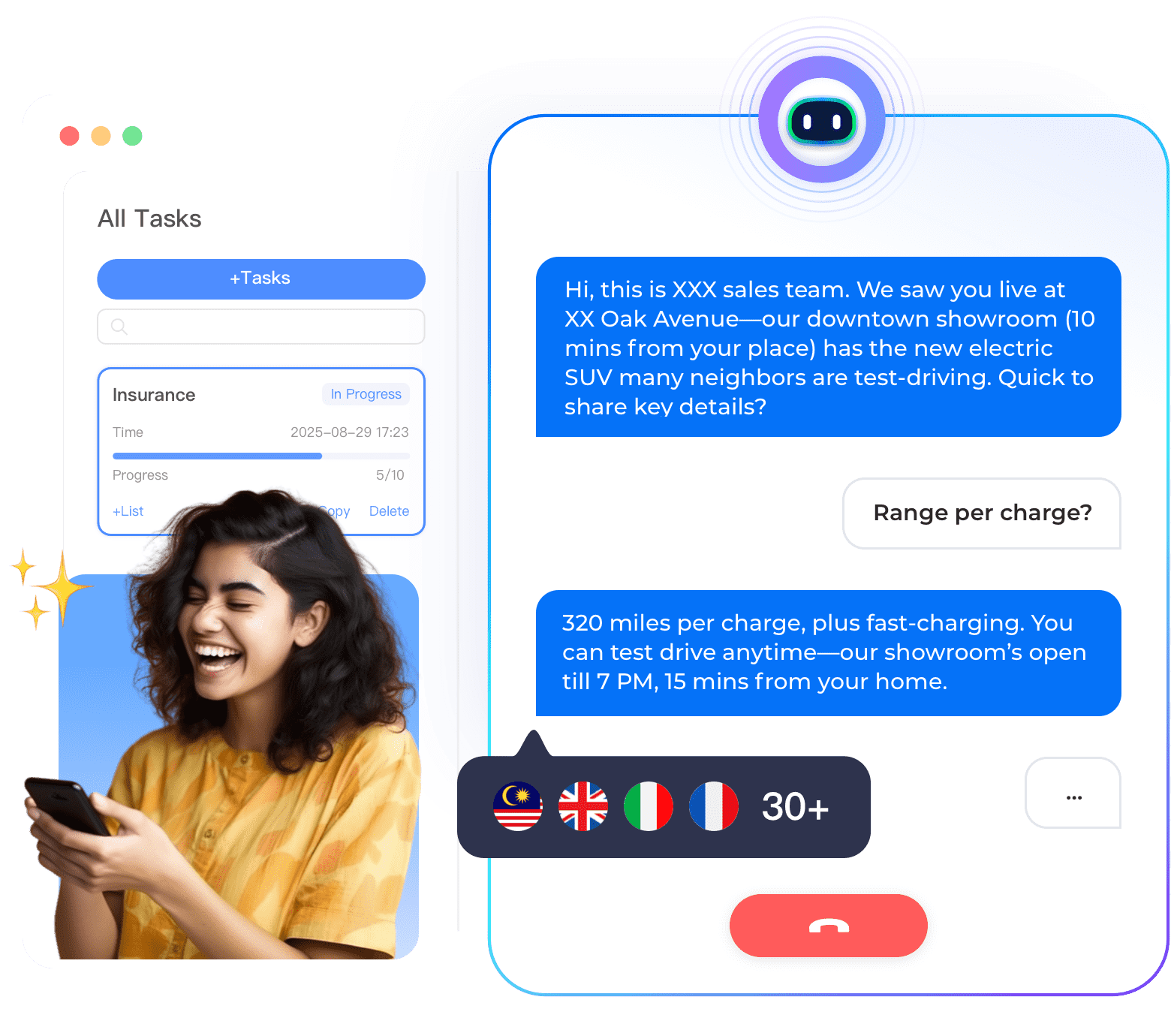
- Multi-language support for 30+ languages
- Real-time analytics dashboard
- Seamless escalation to human agents
Common use cases:
- Account balance inquiries
- Bill payment processing
- Appointment booking
- Order status updates
- Technical troubleshooting

Frequently Asked Questions
Q:Can an inbound voicebot handle multiple languages?
Yes,modern platforms like Instadesk support 30+languages with real-time translation.
Q:What happens if the voicebot cannot answer a question?
It seamlessly transfers the caller to a human agent,passing all conversation context.
Q:Is it difficult to integrate with existing phone systems?
No,most platforms use SIP trunking or cloud PBX integration,often completed in days.
Conclusion
An inbound voicebot is a powerful tool for automating customer calls,reducing wait times,and lowering costs.By replacing rigid IVR menus with natural conversation,businesses can improve caller satisfaction and agent efficiency.
Instadesk’s platform provides an easy-to-deploy,enterprise-grade inbound voicebot solution.