
The 2026 World Cup delivered its biggest controversy not on the pitch, but in the boardroom.
US striker Folarin Balogun was shown a red card during the Round of 32 match against Bosnia and Herzegovina for a studs-up challenge. Under FIFA rules, a direct red card carries an automatic one-match suspension. He was supposed to sit out the crucial Round of 16 clash against Belgium. Then everything changed.
The Decision That Shook Football
On July 5, FIFA announced it would suspend Balogun‘s one-match ban for one year. He was cleared to play. This was unprecedented. Never before, since red and yellow cards were introduced in 1970, had a player been allowed to play the next match after receiving a red card.
Belgium was “astonished”. UEFA said FIFA had “crossed a red line”. Belgium’s coach remarked: “I didn‘t realize that at FIFA, July 5 is April 1.” Belgium’s appeal was rejected on a technicality: they were “not a party to the proceedings” and had no standing to appeal. The process was opaque, the reasoning unclear, and trust in the system fractured.
When Your Customer Feels Like Belgium
Every customer who gets a refund denied, a claim rejected, or a complaint dismissed feels exactly like Belgium did. They believe the decision was wrong and want someone to review it again. Most systems don‘t have a review mechanism. Customers are told “this is our final decision” and left with nowhere to turn.
That’s where a proper ticketing system changes everything.
How a Ticketing System Handles the “Appeal”
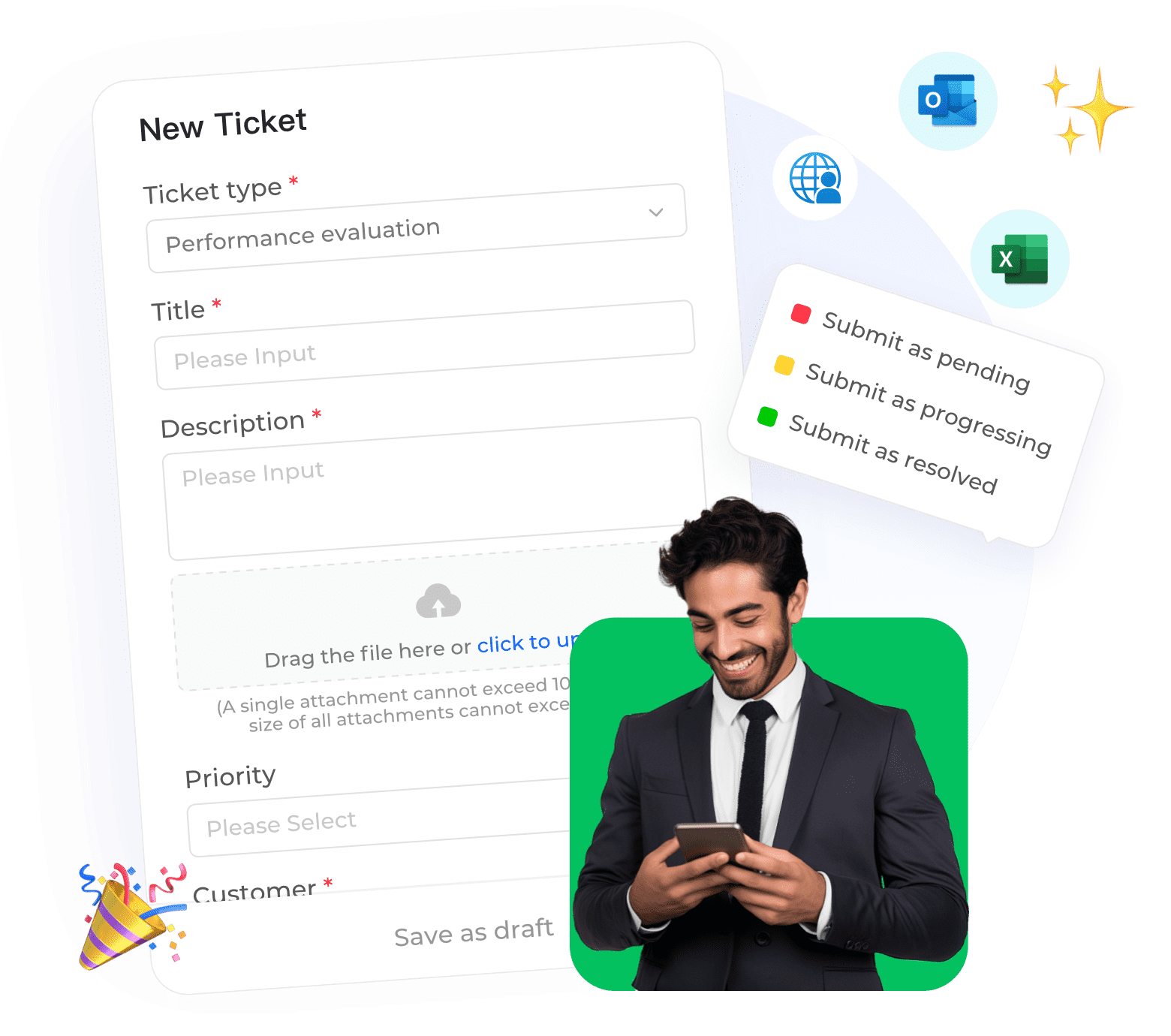
Instadesk Ticket System provides what FIFA‘s process lacked: transparency, structure, and a clear path for review.
Automated assignment and transfer give full visibility across the entire process. Disputes are escalated to supervisors automatically — not left with the same agent who made the original call.
Empowered by a large model, the system makes ticketing more intelligent. It analyzes sentiment, flags high-risk disputes, and prioritizes them before frustration turns into churn.
Cross-departmental collaboration means disputes don’t get stuck. Finance, product, and service teams work from the same ticket with the same history — professional, systematic, and efficient.
Real Results from the Field
TOPASIA LOGISTICS, a logistics provider with operations across Asia, faced its own version of the “Belgium problem.” Customers disputed shipping rates. Inquiries got lost in email chains. No one could track who was reviewing what.
After deploying Instadesk‘s smart ticketing system, the company automated the collection of customer pricing information and routed it directly to the right agents. Pricing became data-driven. Disputes dropped. Resolution times shrank. Customers no longer felt like Belgium — stuck on the outside of a decision they couldn’t challenge.
The Bottom Line
FIFA‘s Balogun decision may have been legal under its disciplinary code. But it left stakeholders angry, confused, and mistrustful.
Your customers feel the same way when they can’t get a decision reviewed. The difference is you don‘t need a presidential phone call to fix it. You just need a ticketing system that gives every customer a fair appeal — visible, traceable, and resolved.