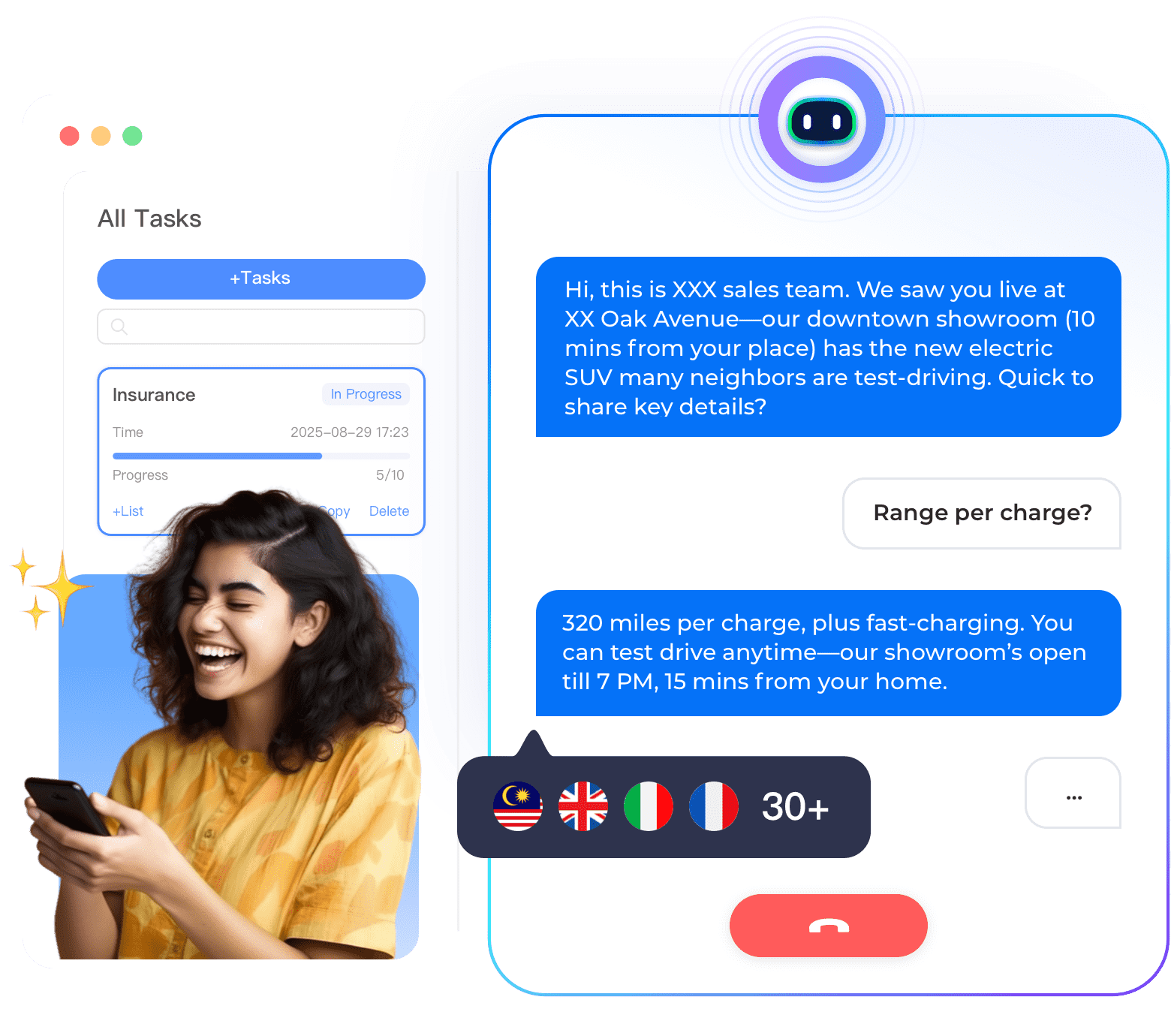

Voice search is rapidly transforming how consumers in Southeast Asia interact with brands. By 2026, over 50% of online searches in Indonesia, Thailand, and Vietnam are expected to be voicebased, driven by the proliferation of smartphones and local language voice assistants. For enterprises, this shift means optimizing for conversational queries in Bahasa Indonesia, Thai, Tagalog, and Vietnamese. This article explores the key trends driving voice search adoption in Southeast Asia, the implications for businesses, and how Instadesk’s voice AI solutions help enterprises capture this growing channel.

Trend 1: Smartphone Penetration and Local Language Assistants
Southeast Asia has over 400 million smartphone users. Google Assistant, Siri, and local alternatives now support Bahasa Indonesia, Thai, and Vietnamese. Consumers are increasingly using voice to search for products, check order status, and ask customer service questions. According to a 2025 regional study, 60% of Indonesian consumers use voice search weekly, up from 35% in 2023.
Trend 2: Shift from Typing to Speaking in Customer Service
Younger consumers (Gen Z and Millennials) prefer speaking over typing. Voice search for customer service—asking “Where is my order?” or “How do I return this?”—is growing 3x faster than text search. Enterprises that do not offer voice support risk losing customers to competitors that do.
Trend 3: ECommerce and Voice Commerce
Voice commerce—buying products via voice assistants—is emerging in Southeast Asia. While still early, platforms like Shopee and Lazada are testing voice search for product discovery. By 2028, voice commerce in the region is projected to reach $5 billion.
Implications for Enterprises
• Optimize for conversational longtail queries: Instead of “best phone Jakarta,” customers will ask “What is the best phone under 5 million rupiah for gaming?”
• Invest in voiceenabled customer service: Chatbots and voicebots should support natural language in local languages.
• Integrate voice search with ecommerce platforms: Allow customers to check order status or reorder via voice.
• Train AI on local dialects and slang: Standard language models miss regional variations.
How Instadesk Helps Enterprises Prepare
Instadesk’s voice AI platform is purposebuilt for Southeast Asian languages. Key features include pretrained NLU for Bahasa Indonesia, Thai, Tagalog, Vietnamese, and Malay. The voicebot understands natural, conversational language (not just keywords). It integrates with ecommerce platforms for order tracking and returns. Realtime sentiment analysis adapts responses to customer emotions. The platform is deployable in weeks, with payasyougo pricing.
What Enterprises Should Do Now
• Conduct a voice search audit: Identify how customers are currently using voice to interact with your brand.
• Implement a voicebot for highvolume inquiries (order status, store hours, returns).
• Train your AI on local language call transcripts.
• Monitor voice search analytics to identify new customer needs.
Conclusion
Voice search is not a future trend; it is already reshaping customer behavior in Southeast Asia. Enterprises that invest in voice AI now will gain a competitive advantage. Instadesk provides the local language voice solutions needed to succeed.