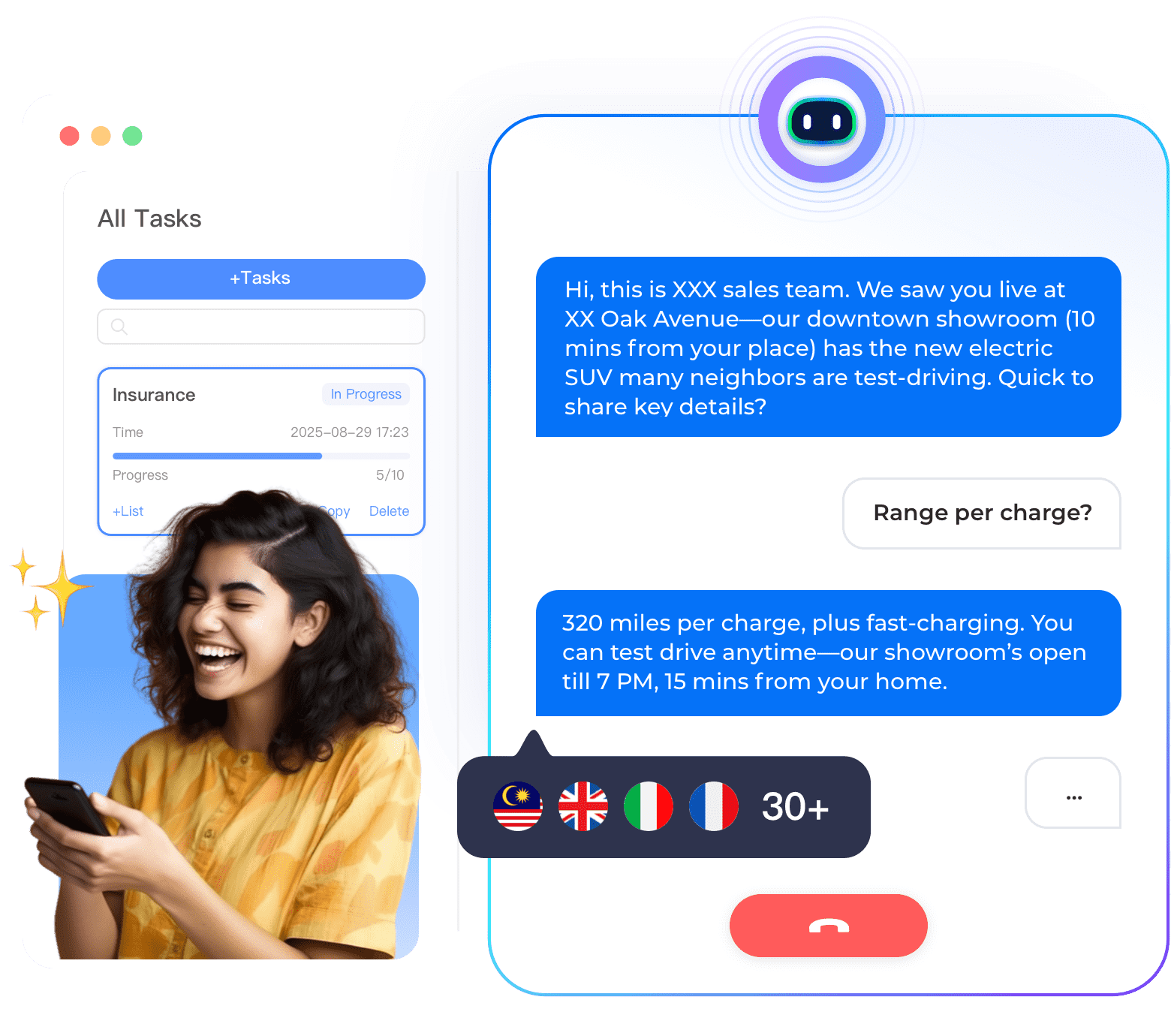
Customers want fast,clear,and always-available support.For Southeast Asian companies serving multiple languages and time zones,traditional service models fall short.That's why enterprises are combining AI tools like Instadesk voicebots with human teams to deliver faster,more scalable service.

What Are Customer Service Skills
They include listening,clear communication,and problem-solving.But today,skills alone aren't enough.Teams also need digital systems to manage information across channels.Platforms like Instadesk combine human expertise with intelligent automation to serve customers across languages and time zones.
Essential Customer Service Skills for Global Support Teams
Clear Communication
Customers need simple,direct answers.Language and cultural differences make this harder across markets like Singapore,Indonesia,and Vietnam.Instadesk voicebots support multilingual conversations,ensuring consistent,understandable messaging.
Active Listening
Customers want to feel heard.Instadesk voicebots use speech recognition and NLP to analyze conversations,identify intent,and provide context—helping teams respond with greater accuracy.

Problem-Solving Ability
Agents need to identify root causes and provide solutions.Instadesk integrates customer data,conversation records,and knowledge resources into one workspace—reducing delays and helping teams resolve cases faster.
Adaptability in Global Customer Service
Different markets expect different response speeds and communication styles.Instadesk voicebot systems help companies adapt to these differences by supporting multilingual voice communication. Languages such as English, Vietnamese, Indonesian, Korean, and others can be handled through AI-powered voice interactions. This flexibility allows companies to respond to customers in their preferred language while maintaining consistent service quality.
How Voicebots Support Customer Service Skills
Voicebots handle routine conversations—freeing humans for complex issues.Instadesk voicebots use ASR(speech-to-text),NLP(intent recognition),and TTS(natural voice response).They manage outbound calls,reminders,and common questions across multiple languages,reducing pressure on service teams and improving response speed.
Real Business Scenarios Using Voicebots
A global platform processing 3,000 daily calls scaled to 80,000 calls per day with Instadesk voicebots—expanding to new markets while saving over 70%in labor costs.Another e-commerce client saw overall efficiency rise 50%and nighttime wait times drop 80%,with bots handling after-hours inquiries automatically.

Customer Service Skills in Southeast Asia
Southeast Asia is one of the fastest-growing digital markets in the world. Businesses serving customers in Singapore, Malaysia, Indonesia, Thailand, Vietnam, and the Philippines often face large volumes of cross-border inquiries.
Many companies operate online platforms that attract international users. These customers may contact support at any time of the day and in different languages.
To manage this environment, organizations increasingly rely on AI-powered support platforms such as Instadesk. Voicebots help handle multilingual conversations, manage high volumes of requests, and ensure customers receive timely responses regardless of time zone.
At the same time, human agents continue to provide empathy, judgment, and complex problem resolution. This combination allows companies to maintain high service standards while scaling operations across multiple markets.
The Future of Customer Service Skills
Customer Service Skills will continue to evolve as digital technology becomes more deeply integrated into service operations. Communication, empathy, and problem-solving will remain essential human abilities.
At the same time, AI tools will increasingly support these skills. Voicebots can handle routine conversations, provide multilingual communication, and assist with large-scale outreach. Platforms like Instadesk show how automation can work together with human service teams rather than replacing them.
For companies operating in Southeast Asia and other global markets, the future of customer service will depend on this balance. Organizations that combine strong human skills with intelligent service technology will be better positioned to deliver fast, reliable, and personalized support to customers around the world.