For years, talking to a voicebot meant adapting to the machine. You had to speak clearly, use simple words, and patiently endure delays. You couldn't interrupt. You couldn't switch languages mid-sentence. And the voice on the other end? It always sounded like a robot .
That era is ending. Voicebot 2.0, powered by large language models (LLMs) and agentic AI, represents the most significant leap in voice technology since the invention of the IVR . This isn't just an upgrade—it's a fundamental shift from script-following machines to autonomous conversational agents.

The Architecture Shift: From Pipelines to Native Intelligence
To understand Voicebot 2.0, you need to look under the hood.
Voicebot 1.0 operated like a relay race with three runners. First, an Automatic Speech Recognition (ASR) engine converted your speech to text. Next, a separate system analyzed that text for intent. Finally, a Text-to-Speech (TTS) engine turned the response back into audio . Every handoff created delays, lost context, and introduced errors . Voicebot 2.0 uses end-to-end LLM architecture. The model processes speech directly—understanding not just words, but tone, emotion, hesitation, and intent in a single step . This is the difference between a game of telephone and a real conversation.
Four Dimensions That Define the Leap
1. Response Time: From 4 Seconds to <500ms
Latency is the silent killer of conversational flow. In Voicebot 1.0, the cascade of waiting created 2-4 seconds of dead air between turns . That pause tells the caller: "You're talking to a machine."
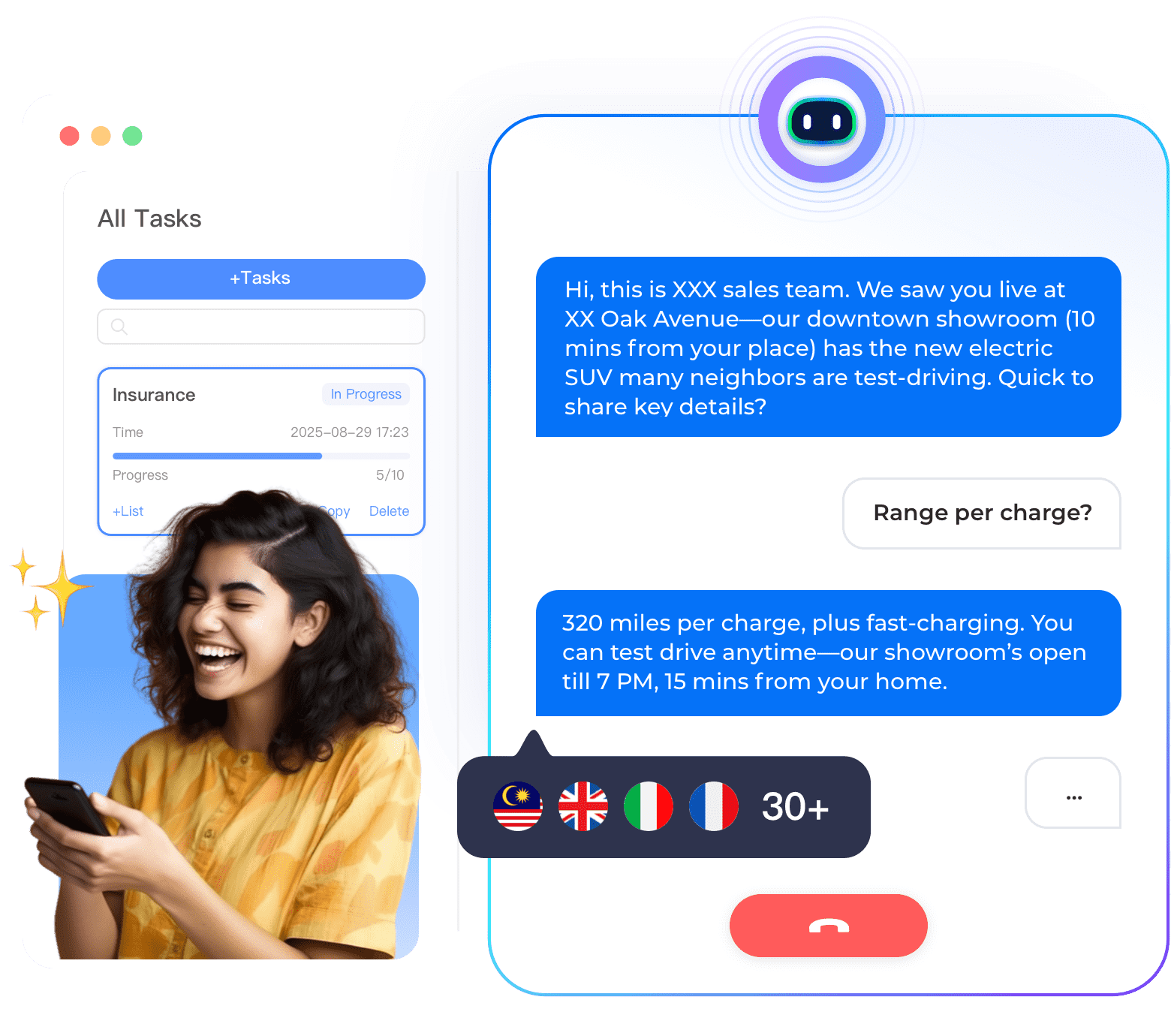
Voicebot 2.0 operates in full-duplex mode—listening and speaking simultaneously—with response times below 500 milliseconds, a threshold imperceptible to the human ear . Companies using advanced voice agents have seen average handle time (AHT) drop by up to 40% simply because conversations flow naturally .
2. Interruption Handling: The Barge-In Factor
Think about how humans talk. We interrupt. We finish each other's sentences. We say "actually, wait" and change direction.
Voicebot 1.0 couldn't handle this. If the bot was speaking, you had to wait. If you interrupted, it either ignored you or broke.
Voicebot 2.0 supports intelligent interruption—if the user speaks while the bot is talking, it stops immediately, processes the new input, and adjusts its response . This "barge-in" capability, with response to interruption under 2 seconds, creates the feeling of talking to a human who values your time .
3. Context and Memory: From Keywords to True Understanding
Old voicebots listened for keywords. Say "billing," and you went to billing. Say "I'm really angry about a charge on my bill that I didn't agree to," and the system still heard "billing" .
Voicebot 2.0 understands intent, emotion, and context. It detects sarcasm, hesitation, and urgency . It maintains memory across multi-turn conversations, so you don't have to repeat yourself . For industries like healthcare or debt collection, this "machine empathy" builds trust that older technologies simply cannot achieve .
4. Multilingual Fluency: Native vs. Translated
Perhaps the most impressive capability of Voicebot 2.0 is its handling of multiple languages—not through translation layers, but through native understanding.
If a customer switches from English to Malay mid-sentence, a Voicebot 2.0 system seamlessly follows, maintaining the conversation thread without missing a beat . This code-switching capability is essential in multilingual markets where mixing languages is the default communication style.
Where Instadesk VoiceBot Fits
Instadesk VoiceBot embodies the Voicebot 2.0 evolution. Built on leading large-model technology, it delivers:
• Full-duplex conversations with intelligent interruption under 2 seconds
• Emotion-infused voices that mimic real human tone and intonation, increasing call duration and customer satisfaction
• Bilingual natural conversation recognition (e.g., Malay and English) deeply adapted to local communication habits
• Zero-code visual orchestration that lets businesses build and iterate voice agents 3x faster than traditional development
The results speak for themselves: In marketing and invitation scenarios, Instadesk VoiceBot has helped financial and technology clients increase conversion rates by over 30% . A leading Southeast Asian e-commerce platform reached 500,000+ members in a single campaign, achieving outbound efficiency 13 times higher than manual efforts.
The Shift Ahead
Voicebot 2.0 marks the end of the "phone automation" era and the beginning of digital collaborators. This technology doesn't just complete tasks—it builds customer experiences at a level unavailable to earlier solutions .
When evaluating voicebots in 2026, look beyond language counts and feature lists. Ask about latency under load. Test interruption handling with real users. Verify code-switching capabilities in your specific markets. The gap between Voicebot 1.0 and 2.0 is the gap between cost center and competitive advantage.