
Selecting the right AI voice assistant for customer service requires careful evaluation of accuracy,integration capabilities,pricing models,deployment speed,and multilingual support.Many organizations rush into a purchase without proper testing,leading to costly mistakes and delayed implementations.This comprehensive buyer's guide walks you through a step-by-step selection process,highlights common pitfalls,and provides a vendor comparison.By the end,you will know exactly what to look for and which vendors to consider for your specific use case.
Step 1: Define Your Use Cases and Success Metrics
Start by analyzing your call logs to identify the most common reasons customers call.Typical high-volume use cases include:
•Balance inquiry,transaction history,payment due date.
•Order status,shipping tracking,return initiation.
•Appointment scheduling,cancellation,rescheduling.
•Technical support triage,password reset,account unlock.
•Claims reporting(insurance),dispute filing(banking).
For each use case,define success metrics:intended automation rate(e.g.,70%),average handle time reduction(e.g.,50%),and customer satisfaction improvement(e.g.,+20 points).This will help you evaluate vendors objectively.
Step 2: Evaluate Natural Language Understanding Accuracy
NLU accuracy is the most critical technical feature.Invite vendors to provide a free trial.During the trial:
•Upload or record real customer calls(not scripted examples).
•Measure intent recognition accuracy(percentage of calls where the voice assistant correctly identified what the customer wanted).
•Measure entity extraction accuracy(e.g.,capturing account numbers,dates,amounts correctly).
•Measure fallback rate(percentage of calls where the assistant failed and escalated to a human).
Aim for 90%+accuracy on your top 3–5 intents.Ask vendors how they handle edge cases and whether they offer continuous model improvement.
Step 3: Assess Integration Capabilities
Your voice assistant must integrate with your existing systems to provide real-time,personalized answers.Ask each vendor:
•Does the platform offer prebuilt connectors for your CRM(Salesforce,HubSpot,Dynamics),ERP(SAP,Oracle),or ticketing system(Zendesk,Jira)?
•Is there a REST API for custom integrations?
•What is the typical integration timeline?(Prebuilt connectors:days;custom API:weeks.)
•Does the vendor provide integration support during the trial?
Step 4:Understand Pricing Models and Hidden Costs
Common pricing models include:
•Per-minute usage:you pay only for the minutes of voice conversation processed.Best for variable call volumes and seasonal businesses.Typical rate: 0.04–0.10 per minute.
•Per-request:you pay per API call.This can be unpredictable because a single conversation may generate multiple requests.
•Per-seat subscription:you pay a monthly fee per agent or per“bot seat”.Best for consistent high volume.Typical rate: 50–150 per seat per month.
Watch for hidden fees:some vendors charge separately for speech recognition(ASR),text-to-speech(TTS),telephony(SIP trunking),and integrations.Always ask for a total cost of ownership(TCO)calculation based on your expected call volume.
Step 5: Test Deployment Speed and Ease of Use
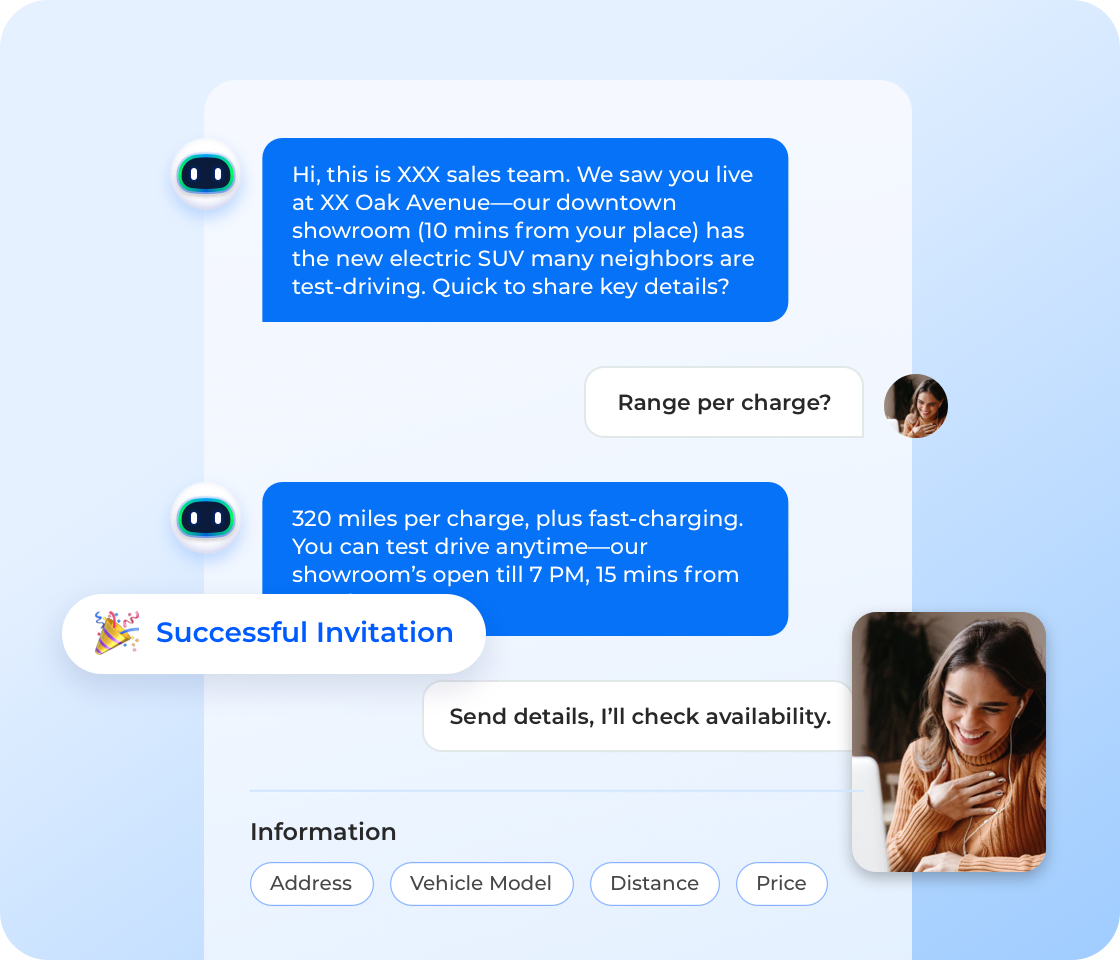
Ask whether the platform can be configured by business users(non-developers)using a visual drag-and-drop builder,or if you need to hire developers.Request a free trial and measure how long it takes to go from sign-up to a live,testable voice assistant.For most enterprises,2–4 weeks is reasonable.If a vendor quotes 3–6 months,ask why.
Step 6: Check Multilingual Support
If you serve customers in multiple languages,ensure the platform supports them out of the box,not via a translation add-on that adds latency and reduces accuracy.Ask for supported languages and test with native speakers.
Top Vendor Recommendations
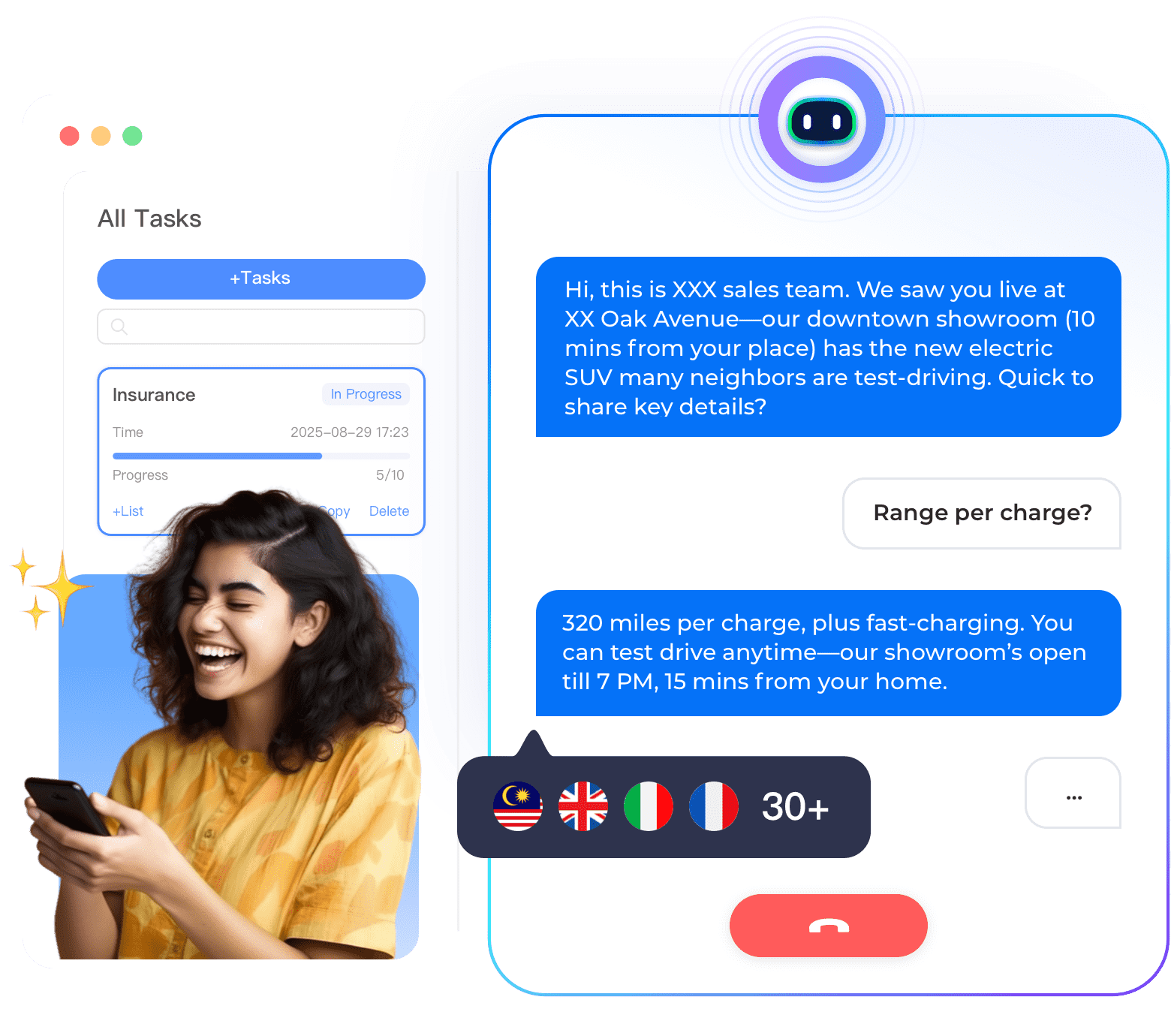
•Instadesk:best for most enterprises–pre-trained industry AI,pay-as-you-go per minute,no developer required,30+languages.Free trial with 500 minutes.
•Google Dialogflow CX:best for teams with strong AI development resources and complex multi-turn conversations.
•Amazon Lex:best for AWS-centric organizations with in-house AWS expertise.
•IBM Watson Assistant:best for large enterprises requiring on-premise deployment.
Conclusion
Choosing an AI voice assistant requires a methodical approach.Start with a free trial,test with your own calls,and evaluate accuracy,integration,pricing,and deployment speed.Instadesk offers a no-credit-card trial to help you make an informed decision.