
When we talk about customer profiles, we often think of static documents. A PDF with some demographic data. A few buyer personas. Maybe a checklist of common complaints. Then we file it away and move on.
But that misses the bigger picture. A customer profile’s real value isn’t in the document itself. It’s in how that document drives better decisions across your team. When sales, service, and marketing share the same understanding of a customer, everyone works faster and more consistently. The profile becomes an action trigger, not just a storage file.
What Is a Customer Profile? (More Than Demographics)
A customer profile is a detailed picture of a specific customer group. It goes far beyond basic demographics like age, location, or income. A strong profile describes what your customers struggle with, what they want, which channels they use, how they prefer to communicate, and why they choose your solution over others.
Many companies stop there. They collect data, fill out a template, and call it done. Teams work in silos, each making their own assumptions about who the customer is.
A truly useful profile doesn’t sit on a shelf. It actively helps your team. When support agents can instantly see a customer’s history and preferences, they serve better. When sales reps adjust their pitch based on past behavior, conversion rates rise.
How to Build Customer Profiles with AI and Data
Building customer profiles shouldn't be a manual, one-time exercise. It should be a continuous process of collection and learning.
Start by gathering data across every channel. Your customers reach out via email, WhatsApp, phone calls, and live chat. Pay attention to the clues:
· When they ask for help
· Which language they use
· What types of questions they ask most
· Where they get stuck
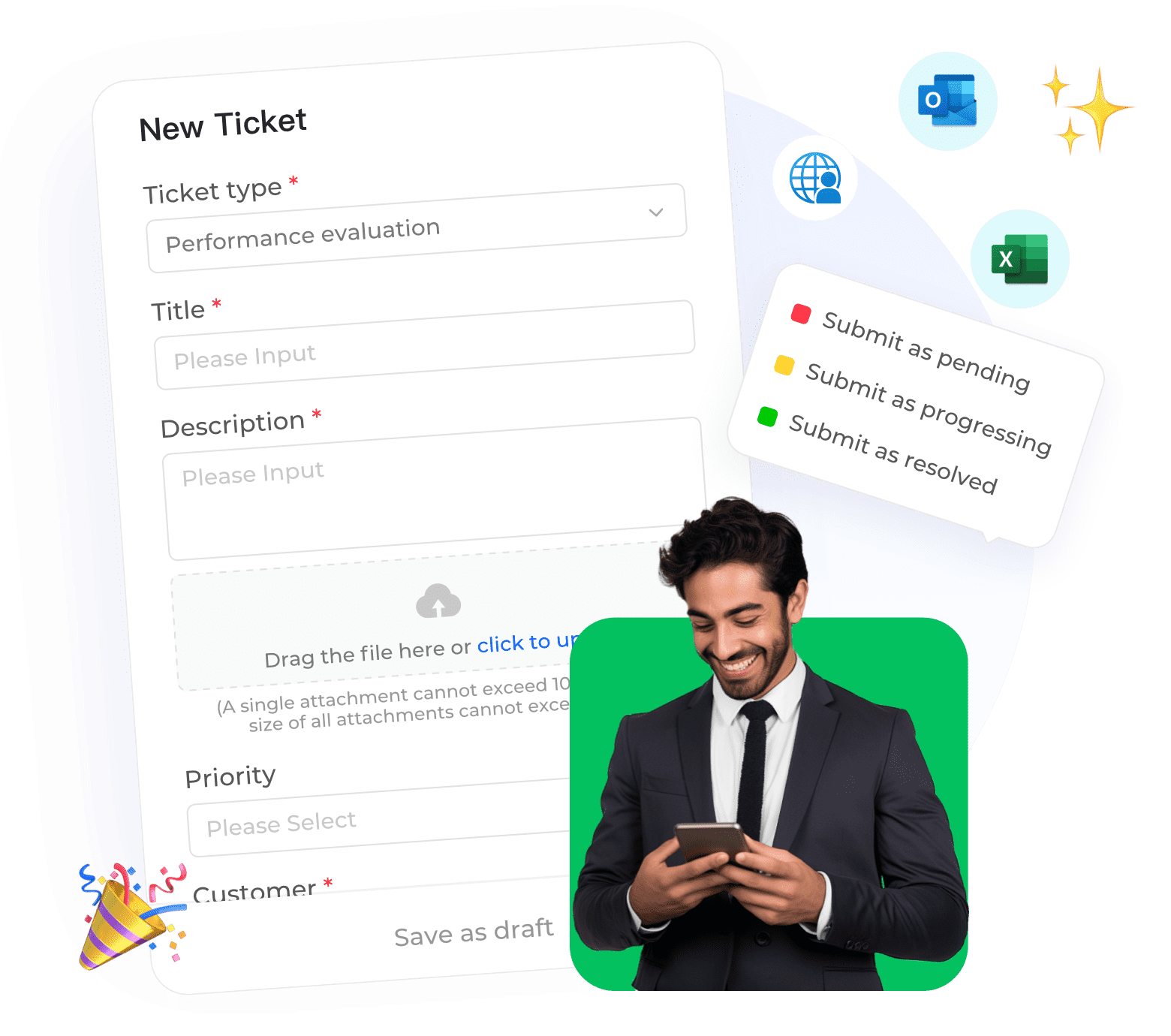
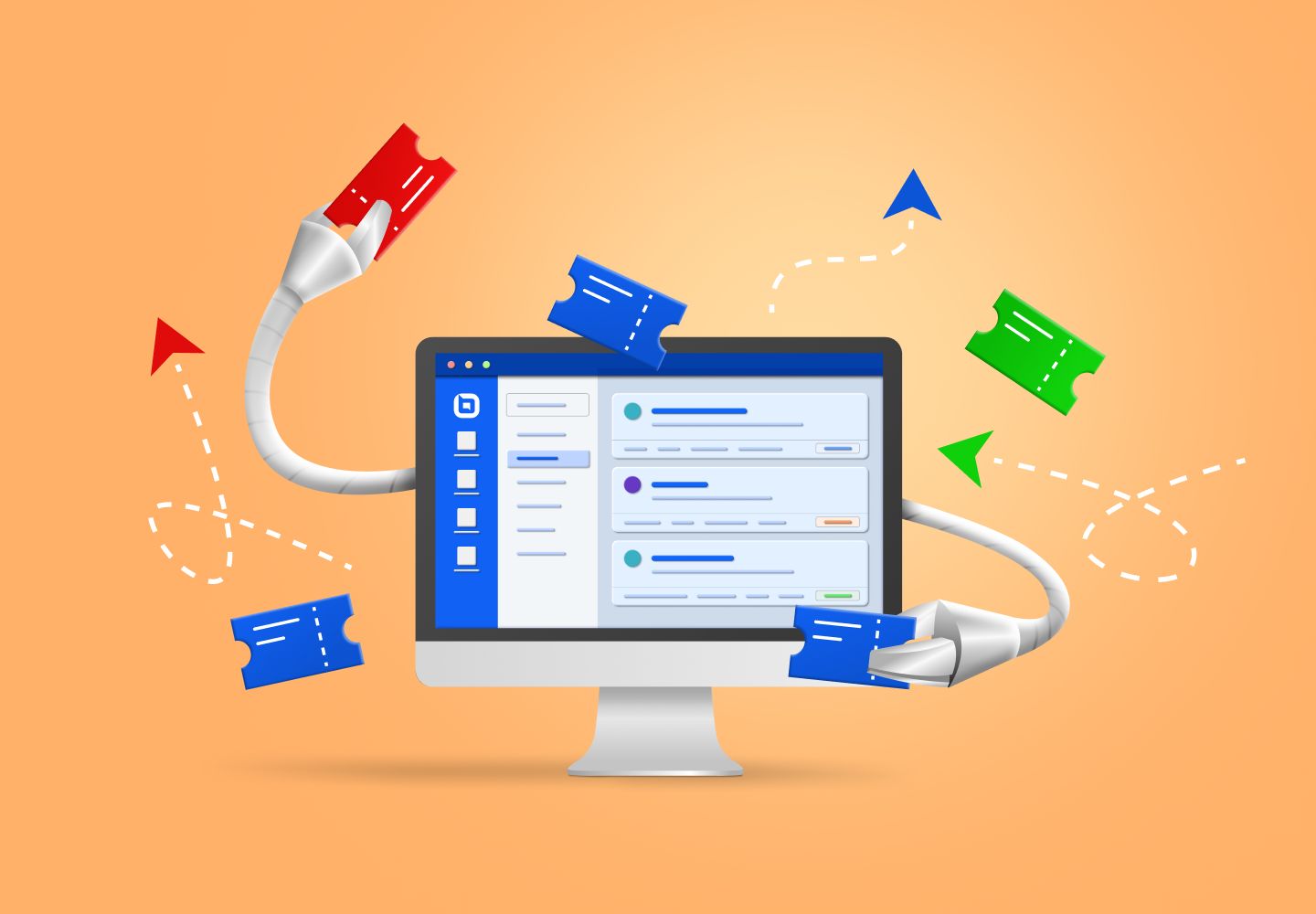
A smart ticketing system pulls all these channels together. It automatically turns customer messages into trackable tickets while preserving the full conversation history.
Next, identify behavior patterns. Distinguish customers who ask about advanced features and those that need basic troubleshooting. An AI-powered ticketing system can analyze these patterns and prioritize contacts accordingly — routing high-intent leads to sales while auto-answering routine questions. The system can even suggest replies and recommend articles to boost agents' efficiency in real time.
Finally, keep your profiles dynamic, not static. Every customer interaction generates new data. Order completions, support tickets, phone calls — each touch refines the profile. If your tools don’t capture these signals in real time, your profiles become outdated without you even noticing.
How a Well-Designed Customer Profile Breaks Down Silos
Different departments need different data. But when everyone shares the same customer profile, efficiency improves across the board. Marketing knows exactly who to target. Sales knows how to close deals. Customer service knows how to help.
A unified ticketing system automatically generates comprehensive reports on ticket volume, response time, and CSAT scores over time. By sharing a single source of truth, teams can collaborate to remove bottlenecks instead of working against each other. When the support team discovers a product issue causing repeat calls, everyone learns about it immediately — service changes its script, product investigates, and marketing adjusts its messaging. Teams get more efficient, and customers notice the difference.
How Customer Profiles Improve the Customer Experience
Consistency across channels is the foundation of customer satisfaction. When a customer switches from WhatsApp to email, they shouldn’t have to repeat themselves — because your ticketing system retains full context across every interaction. No matter how they reach out, every agent sees the same order history, preferences, and past tickets. Information doesn’t get lost, and customers don’t get frustrated.
A modern call center makes this omnichannel experience possible. It integrates voice, video, web chat, WhatsApp, Facebook Messenger, Instagram, Line, and Telegram into a single workspace. Agents keep full context regardless of where the conversation started. That means faster resolutions and happier customers.
From Static Profiles to Proactive Service
AI turns customer profiles from passive records into proactive tools. When an agent handles a call, they no longer have to search multiple screens for basic information. The system provides real-time suggestions, auto-fills forms, and pulls up relevant knowledge articles instantly. A cloud-based call center platform dramatically reduces manual data entry, allowing agents to handle more inquiries without burning out.
The end result? Measurable improvements in customer experience. When customers feel understood, they stay longer and tell others. That is the real value of a customer profile — not just what it records, but how it helps your team work better around the customer.