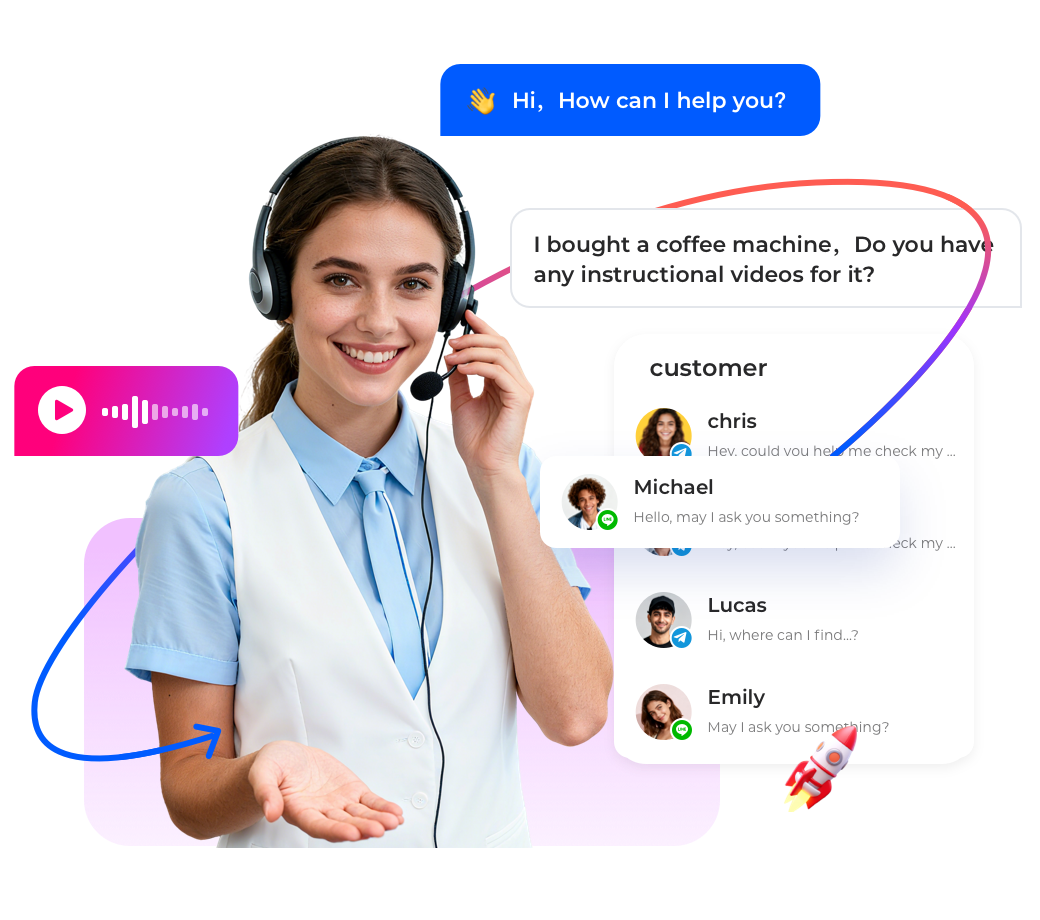
In the fast-paced world of global e-commerce, the brands that win are the ones that connect with customers instantly and personally. As highlighted in recent customer experience trends, emerging channels like live chat are gaining significant ground, providing businesses with an opportunity in every chat window to build loyalty.
However, not all live chat solutions are created equal. To truly harness live chat to improve customer satisfaction and operational efficiency, you need a tool designed for the complexities of modern, global business. Instadesk offers an omnichannel online customer service system that turns casual browsers into loyal buyers.

The Why: Customers Expect Seamless, Global Conversations
Today's customers don't just want answers; they want them immediately, in their language, and on their preferred platform. Done well, online chat support is the customer experience tool that keeps on giving.
For businesses using Instadesk, the impact is measurable. By moving beyond outdated email chains and embracing a unified chat interface, companies are seeing drastic improvements in efficiency. With Instadesk, you can improve customer service efficiency by up to 90%, ensuring that your support team spends less time wrestling with tools and more time connecting with people.
The How: Live Chat Best Practices
To ensure you get the most out of your chat implementation, it's essential to follow a strategic approach. Here are five best practices that can transform live chat from a simple support tool into a driver of customer loyalty and business growth.
1. Align Live Chat with Global Business Goals
Before launching or optimizing your live chat, you need to be clear about what you want it to achieve. Are you trying to reduce response times? Increase sales conversion? Support international customers in their native languages?
For companies scaling globally, language support often becomes the hidden bottleneck. A customer in Tokyo shouldn't have to struggle with English to ask about shipping to Japan. The best chat experiences remove these barriers entirely—whether through multilingual agents or built-in translation capabilities. When you align your chat strategy with concrete business objectives, every conversation has a purpose beyond just answering questions.
2. Optimize the User Experience with True Omnichannel Support
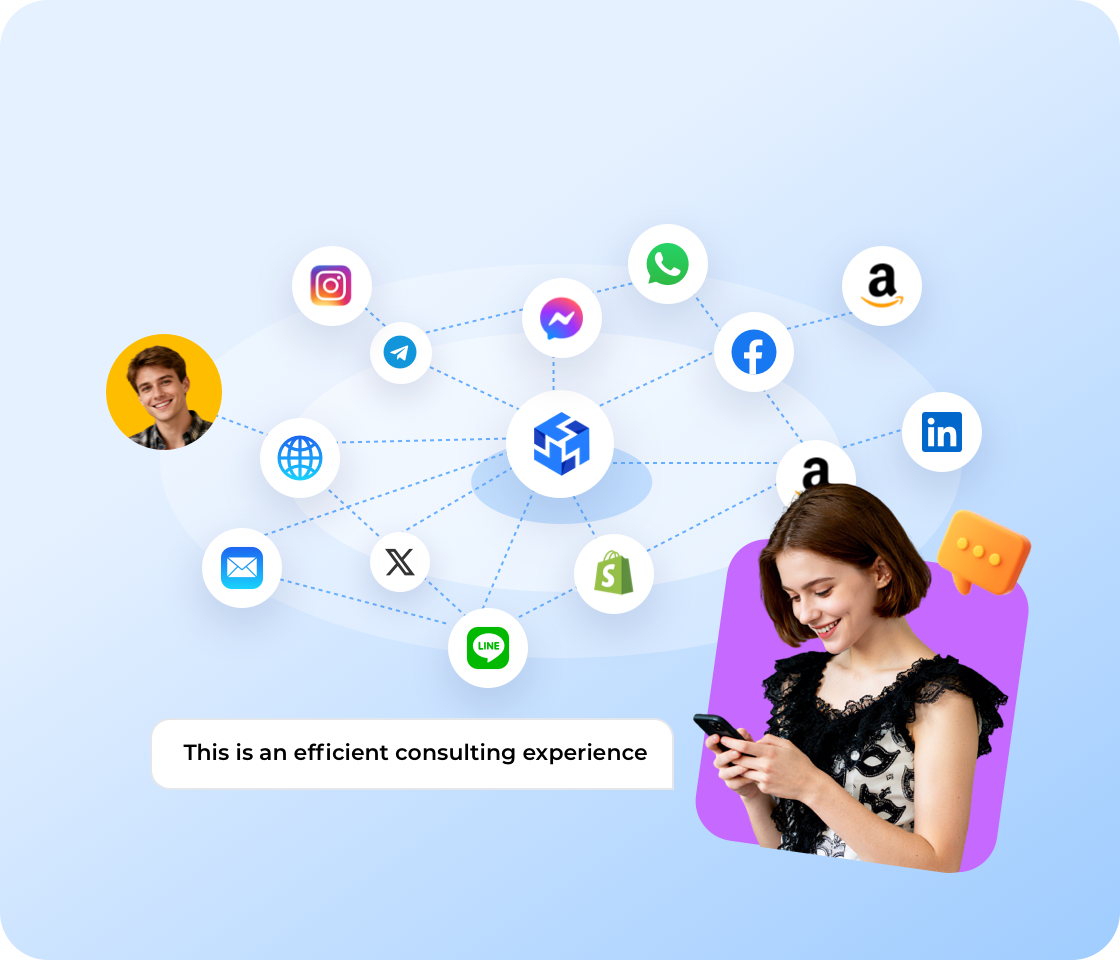
Customers today expect to reach you wherever they are. That might be a chat window on your website, a direct message on Instagram, or a quick question via WhatsApp. The days of funneling everyone to a single "Contact Us" page are over.
The key to a great experience isn't just being present on multiple channels—it's making those channels work together seamlessly. A customer who starts a conversation on Instagram and follows up via email shouldn't have to repeat their order number or explain their issue twice. When your channels are truly integrated, context travels with the customer, and every interaction builds on the last.
3. Build Smart Workflows, Not Just Popups
There's a fine line between being helpful and being intrusive. A chat window that pops up the second someone lands on your homepage often does more harm than good. But a well-timed invitation—say, when a customer lingers on a shipping information page or hovers near the search bar—can feel genuinely helpful.
Smart workflows also mean getting the right conversation to the right person. Not every agent needs to handle every query. Routing technical questions to your most experienced support staff, while directing simple billing inquiries to newer team members, ensures faster resolutions and better use of your team's skills. It also means your VIP customers get the priority treatment they expect.
4. Empower Agents to Focus on Conversation, Not Data Entry
Live chat is uniquely human among support channels. It's real-time, conversational, and often feels more personal than email or phone calls. But that human touch gets lost when agents are scrambling to type notes, search for information, or switch between five different tabs to find a customer's order history.
The best chat experiences happen when technology handles the background work so agents can focus on the person in front of them. A built-in knowledge base lets agents pull up accurate answers instantly. Customer context—order history, previous conversations, account details—should appear automatically when a chat starts. When agents don't have to ask "Can you remind me when you purchased?" or "What's your order number again?" the conversation becomes faster, smoother, and genuinely helpful.
5. Connect Chat to Your Business Systems
This might be the most overlooked best practice of all. Your live chat doesn't exist in a vacuum—it sits at the intersection of customer service, sales, and operations. When your chat tool is disconnected from your CRM, your order system, or your inventory database, agents are flying blind.
The most frustrating customer experience is repeating information to multiple agents. You explain your issue, provide your order number, wait while they search... only to have the next agent ask for the same details. True resolution happens when agents can see the full picture instantly: what you bought, when you bought it, where it is in the shipping process, and what you've already tried. That level of visibility turns a support interaction into a genuine problem-solving conversation.
How the Right Platform Brings These Practices Together
Following these best practices is easier when your tools are designed to support them. Platforms like Instadesk are built specifically to address the real-world challenges of modern customer service.
With support for 20+ channels and 100+ languages, Instadesk removes the friction from global conversations. Real-time translation means your agents can serve customers anywhere in the world without language barriers. A unified dashboard ensures that whether a customer reaches out via WhatsApp, Facebook, or your website, the conversation history follows them—no repeats, no frustration.
Intelligent routing automatically directs conversations to the right agents based on skill level, workload, and customer priority. Your best agents handle complex issues; your newer team members learn on simpler queries; your VIP customers get the fast attention they deserve.
And perhaps most importantly, Instadesk integrates deeply with the systems you already use. CRM, ERP, order management, logistics— when an agent starts a chat, they can see customer information, purchase history, and shipping status without switching tabs or asking the customer to repeat themselves. It's the difference between an agent who says "How can I help?" and one who says "I see your order #12345 is delayed—let me check on that for you right now."
Monitor, Measure, and Keep Improving
Finally, the best live chat teams never stop learning. They track metrics that matter: response times, customer satisfaction scores, first-contact resolution rates. They use that data to refine their workflows, update their knowledge bases, and train their agents on emerging customer needs.
When you combine smart strategy with the right tools, live chat to improve your customer experience becomes more than a goal—it becomes measurable reality. Every conversation becomes an opportunity to solve problems, build loyalty, and show customers they matter.