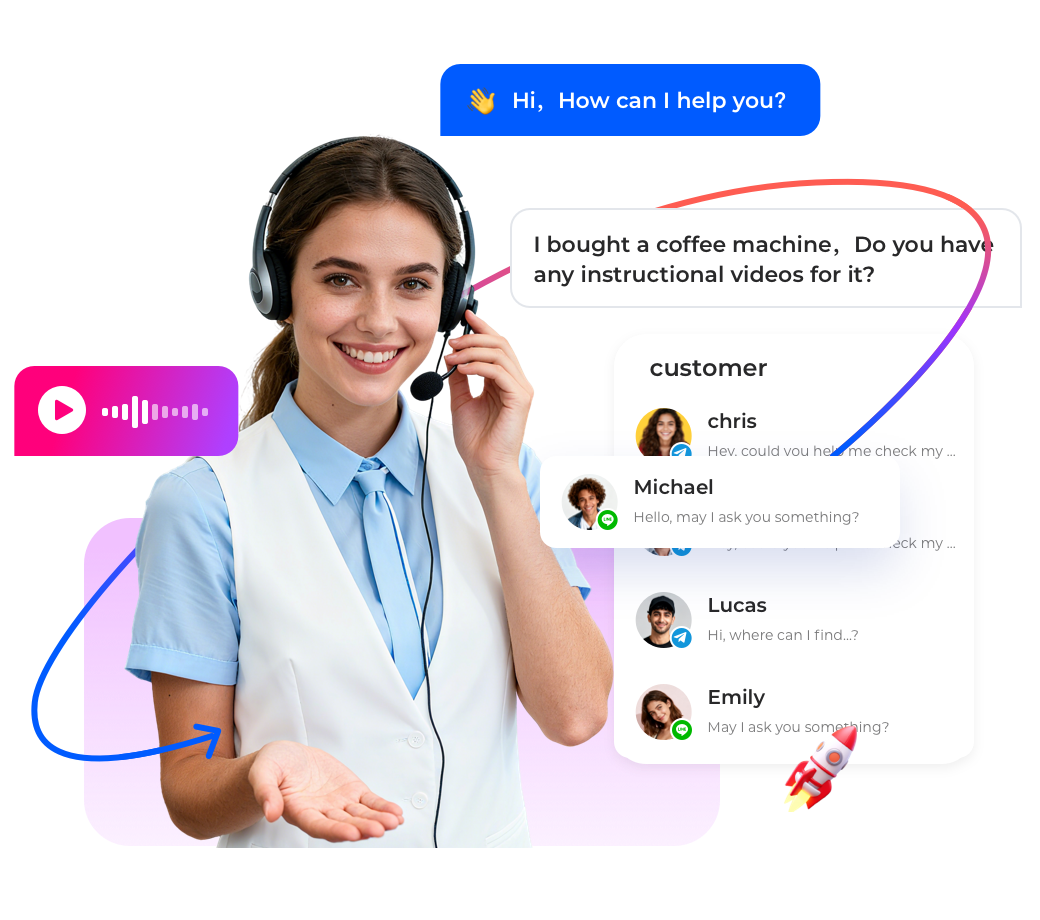

In today's highly competitive digital landscape, speed and convenience define customer experience. Customers no longer tolerate long wait times, delayed email replies, or complex support processes. They expect immediate answers—right at the moment they have a question. This is where live chat for business becomes a critical growth tool rather than just a support feature.
Live chat enables real-time, two-way communication between businesses and customers across websites, apps, and messaging platforms. When implemented strategically, it improves customer satisfaction, increases conversion rates, and reduces operational costs—all at the same time. Now let's discuss what is exactly about LiveChat

Why Live Chat Is Essential for Modern Businesses
1. Customers Expect Instant Responses
Today's customers are accustomed to instant messaging. If a business cannot respond quickly, users simply leave and look for alternatives. Live chat removes delays by allowing businesses to engage customers immediately while they are browsing, comparing, or ready to buy. This immediacy directly improves:
- Customer satisfaction
- Brand trust
- Purchase confidence
2. Live Chat Drives Higher Conversion Rates
Live chat is not just a support channel—it’s a sales enabler.
When customers hesitate due to pricing, delivery, product details, or return policies, live chat provides real-time reassurance. Businesses using live chat often see:
- Lower cart abandonment
- Higher lead capture rates
- Increased completed purchases
3. Cost-Effective Customer Support
Compared to phone support, live chat allows agents to handle multiple conversations simultaneously. This means:
- Higher agent productivity
- Lower cost per interaction
- Better use of support resources
When combined with chatbots, live chat becomes even more efficient. Automated responses can handle repetitive inquiries such as FAQs, order status, or basic troubleshooting, freeing human agents to focus on complex or high-value conversations.
4. 24/7 Availability Without High Staffing Costs
Customers don’t follow office hours—especially in online and cross-border businesses. Live chat systems with automation allow companies to stay available around the clock.
AI-powered chatbots can:
- Respond instantly outside business hours
- Collect customer information
- Route conversations to the right teams when agents are online
- This ensures no opportunity is missed, even when human support is unavailable.
Live Chat as Part of an Omnichannel Strategy
Modern customers interact with brands across multiple channels—websites, mobile apps, and social platforms. Live chat becomes most powerful when integrated into an omnichannel strategy.
A unified live chat system allows businesses to:
- Manage conversations from multiple channels in one place
- Maintain context across interactions
- Deliver consistent service experiences
This is especially important for businesses operating in markets with strong social commerce and messaging habits.
Personalization Through Contextual Conversations
Live chat enables businesses to personalize interactions using real-time data. Agents can see:
- Customer history
- Previous conversations
- Purchase or browsing behavior
With this context, responses become more relevant and efficient. Personalized support not only solves issues faster but also strengthens customer relationships and loyalty.
Data-Driven Insights for Continuous Improvement
Live chat platforms provide valuable analytics that help businesses improve performance over time. Key metrics include:
- Response time
- Resolution rate
- Chat volume
Live chat is not just a communication tool—it's a source of actionable business intelligence.
Who Benefits Most from Live Chat for Business?
Live chat delivers value across industries, including:
- E-commerce: product inquiries, order tracking, returns
- SaaS & Tech: onboarding, troubleshooting, upgrades
- Financial Services: account questions, compliance support
Education & Services: enrollment, scheduling, guidance
Whether for sales, support, or engagement, live chat adapts to diverse business needs.
Case Study: Online Retailer Boosts Sales by 28% with Live Chat
An anonymous online fashion retailer faced high cart abandonment and frustrated customers due to slow email support. After implementing live chat across its website and mobile app, the company enabled real-time answers on sizing, shipping, and returns. Within three months, response time dropped from 24 hours to under 30 seconds. Cart abandonment fell by 18%, and conversion rates increased by 28%. Customer satisfaction scores rose from 3.2 to 4.7 out of 5. By integrating chatbots for after-hours inquiries, the retailer also reduced support costs by 22%. Live chat turned hesitation into sales, proving its value as both a support tool and a revenue driver.
Conclusion
Live chat for business is no longer a"nice-to-have." It is a core component of modern customer experience strategies. By enabling real-time communication, reducing friction, and delivering personalized support at scale, live chat helps businesses grow faster while operating more efficiently.
In a digital environment where customer attention is limited and competition is high, the ability to engage customers instantly can make the difference between losing a visitor and gaining a loyal customer.
Businesses that invest in live chat today are not just improving support—they are building stronger, smarter, and more responsive customer relationships for the future.