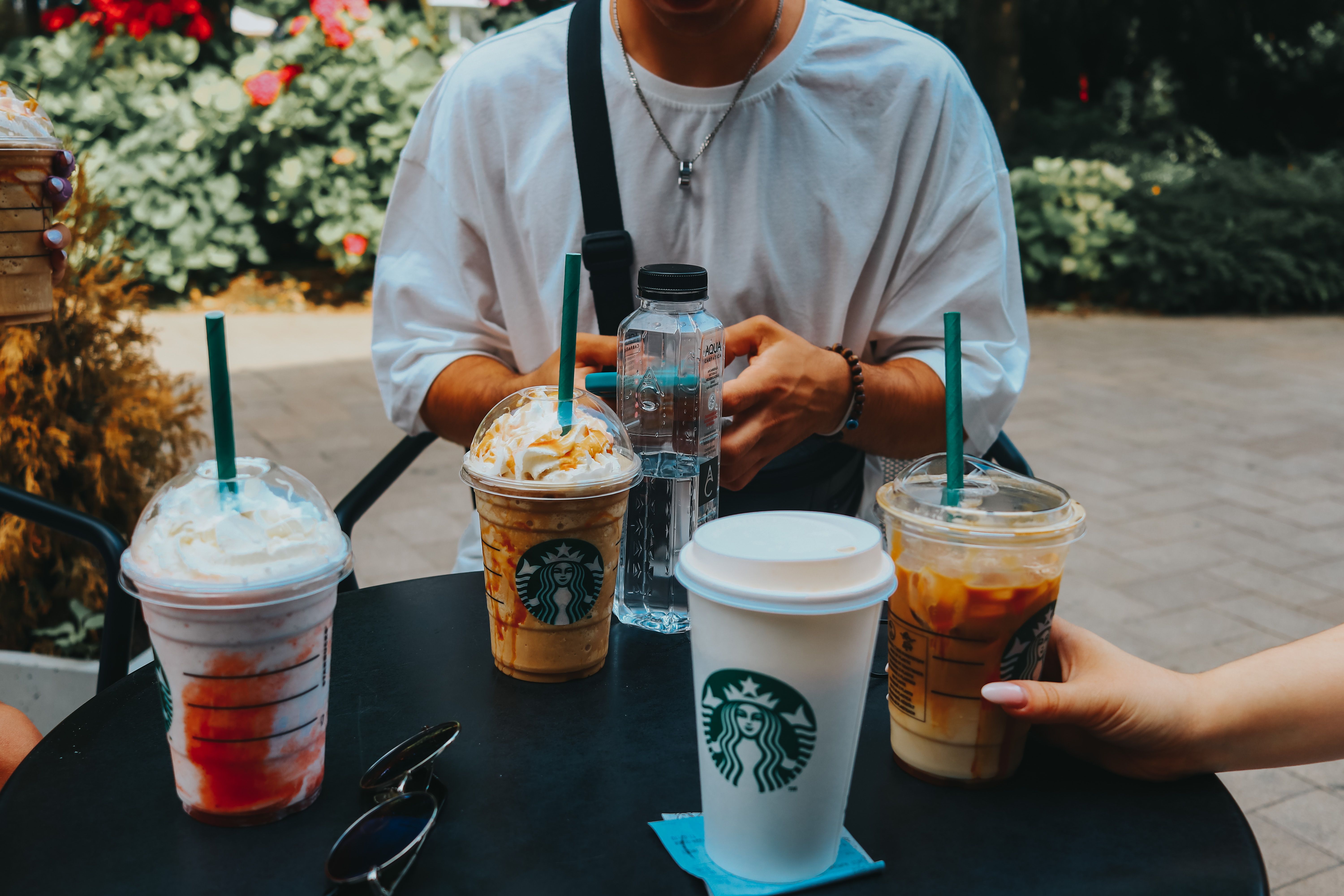

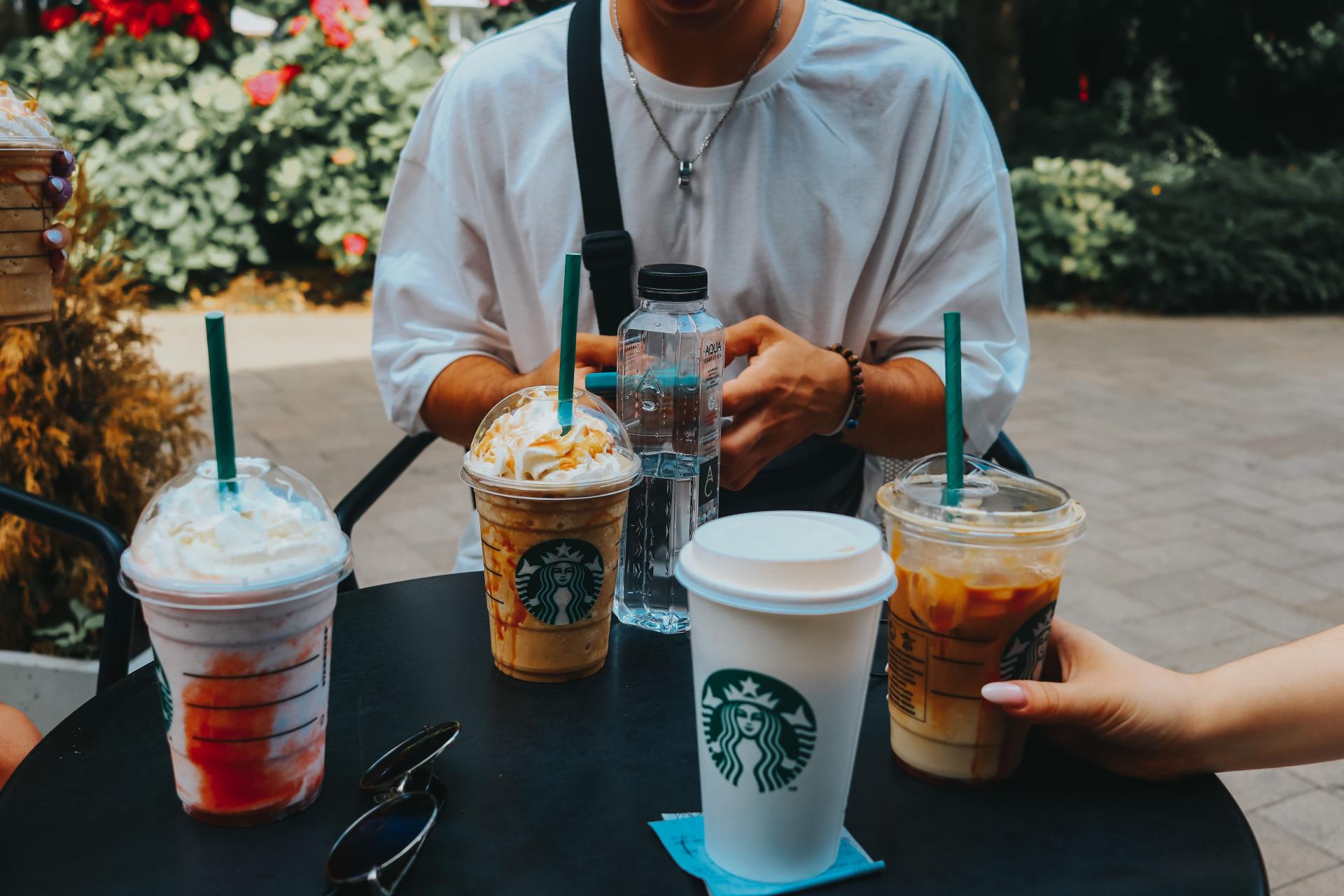
In 1971, three coffee lovers opened a store selling beans and equipment in Seattle. More than five decades later, Starbucks has grown into one of the world's largest coffeehouse chains, with over 41,000 stores across more than 80 countries.Already capturing 57% of the U.S. café market.
Starbucks is not just a coffee company — it's a consumer culture staple that shapes how people think about their daily routines and lifestyle choices globally. Instadesk helps global brands like Starbucks deliver consistent, personalized customer experiences across every channel.
The Starbucks Journey
Starbucks initially focused on selling high-quality coffee beans and equipment. In 1983, Howard Schultz visited Italy and was captivated by the country's coffee tradition and café conviviality. He convinced Starbucks to start selling espresso — a decision that proved pivotal. In 1987, Schultz bought the company for $3.8 million and transformed it into a coffeehouse chain emphasizing espresso-based beverages.
When Starbucks went public in 1992, it had reached 140 outlets and $73.5 million in revenue — a huge leap from its early days. Today, the company serves millions of customers daily across the globe.
The "Third Place" Strategy
Schultz envisioned Starbucks as a "third place" — the space between home and work where people can relax, connect, and feel a sense of community.The ambiance is carefully curated with comfortable seating, soothing music, and free Wi-Fi. Baristas are encouraged to engage with customers, remember their names, and recall previous orders.
Starbucks' mission is to "inspire and nurture the human spirit – one person, one cup, and one neighborhood at a time." Under CEO Brian Niccol's "Back to Starbucks" plan, the company is doubling down on this vision.
"We're relentlessly focused on reclaiming the third place and becoming the world's greatest customer service company," Niccol said.The strategy includes a $500 million investment in additional staffing to ensure more baristas are on the floor during peak times.
Customers are noticing the difference. After four consecutive quarters of positive global comparable sales growth, Starbucks reported North America comparable sales climbing more than 8% last quarter — the best performance in nearly three years.
Green Apron Service
Launched in 2025, "Green Apron Service" is Starbucks' biggest investment in operating standards and customer experience.The initiative gives baristas the time, tools, and support they need to prioritize craft and customer connection. It's working. Customers report warmer welcomes, more genuine interactions, and consistently better drinks.
Behind the counter, Starbucks slashed menu items by 30% to lighten the load on baristas.This simplification allows partners to focus on quality and connection rather than managing an overwhelming number of options.
AI Innovation: Technology That Strengthens Human Connection
Starbucks' approach to AI is distinct: technology should strengthen human connection, not replace it."If it strengthens the experience, we scale it. If not, we iterate on it," the company states.
Green Dot Assist
Developed in partnership with Microsoft on Azure OpenAI, Green Dot Assist is an AI-powered tool available on in-store iPads.It acts as a real-time companion for baristas, delivering quick, conversational answers to everyday questions — from drink recipes to service standards and equipment issues.Instead of escalating during peak hours, partners get what they need instantly and keep moving with confidence.
ChatGPT App for Drink Discovery
Starbucks launched a beta app in ChatGPT that helps customers discover drinks "based on their mood or vibe of the day."Customers can enter s with "@Starbucks" or upload a photo, and the app suggests drinks that match their request."Customers aren't always starting with a menu.
They're starting with a feeling," said Paul Riedel, Starbucks' SVP of digital and loyalty.For baristas, it means customers arrive feeling more inspired and excited — creating richer moments of connection across the counter.
Smart Queue Technology
Smart Queue intelligently sequences orders across café, drive-thru, mobile, and delivery — keeping production in rhythm, especially during peak hours.The result is faster, more consistent handoffs for customers and a calmer, more controlled flow behind the bar.
Deep Brew AI Platform
Starbucks' proprietary AI engine, Deep Brew, powers personalized marketing and customer engagement.It analyzes data from millions of app users to personalize recommendations, optimize staffing, manage inventory, and tailor offers.
The system processes customer behavior, purchase history, and even local weather to issue personalized offers — generating four million extra store visits.Starbucks has seen a 25% increase in customer spend through targeted recommendations and a 37% lift in repeat purchases.
Starbucks Rewards Program
The Starbucks Rewards Program is one of the most sophisticated customer loyalty ecosystems in the world.In Q1 2024, it had over 35 million 90-day active members.Rewards members drove nearly 60% of US company-operated revenue in fiscal year 2025, equating to more than $13 billion in spend.
In March 2026, Starbucks launched a reimagined Rewards program with three membership levels — Green, Gold, and Reserve — each offering increasingly personalized benefits.
Gold members earn Stars 20% faster, and Reserve members earn Stars 50% faster than Gold.Reserve members unlock exclusive merchandise, curated coffee experiences, and a trip to Tokyo for 10 members and their guests.
The program uses Deep Brew AI to analyze purchase history and preferences, delivering personalized promotions that resonate with individual customers — transforming loyalty from a "one-size-fits-some" approach into a truly personal experience.
Mobile App and Digital Customer Service
The Starbucks mobile app is a cornerstone of the company's online customer service. It allows customers to place orders, pay from their phones, and earn Rewards stars. Mobile now represents approximately 60% of all digital restaurant orders in the United States, with Starbucks driving 59% of its U.S. company-operated store revenue through Rewards members.
For continuous customer service, Starbucks employs AI-driven chatbots and 24/7 chat support. The company also places high priority on social media support, often responding to customer questions on Twitter and Facebook within minutes.
Future Outlook
Starbucks is pursuing ambitious growth. The company plans to have 55,000 worldwide locations by 2030. Digital investments support this expansion — AI-enabled forecasting ensures customer favorites are available when and where they're needed, while data-driven scheduling better matches staffing with demand.
In Q2 2026, net revenues rose 9% year-over-year to $9.5 billion, with global comparable store sales up 6.2%.EPS increased 22% year-over-year.The company's focus on innovation, customer experience, and human connection continues to drive results.
Wrap Up
Starbucks exemplifies how a global brand can balance innovation with traditional hospitality. Its commitment to sustainability, cultural adaptation, and technological advancement secures its market leadership and sets a benchmark for other enterprises.
At its best, AI at Starbucks is invisible: orders move with purpose, partners feel prepared, and customers feel recognized and cared for.As Starbucks embarks on its next chapter, it remains committed to nurturing human connections over coffee — ensuring that every cup served contributes to a greater purpose.