Logistics AI Voicebot
In logistics, a large share of inbound calls are the same question: where is my order? Every one of those calls pulls a dispatcher off real exceptions, and peak season multiplies them. Instadesk's logistics AI voicebot answers tracking, rescheduling, and driver calls 24/7, writes the result back to your system, and hands only the real exceptions to your team, with full context.
Start With the Calls Your Team Repeats All Day
Shipment status calls are the best place to begin. They repeat constantly, carry little risk, and are easy to measure, so you see results within weeks instead of quarters. The voicebot identifies the caller, finds the shipment, and gives the status and ETA on the call itself, which removes the most common reason customers reach your dispatchers.
Once status calls run smoothly, the same voicebot takes on delivery rescheduling, failed delivery follow-up, driver check-ins, and dock appointment confirmations. Each of these is a routine conversation with a clear outcome, so each one you automate gives dispatchers more time for the loads that are actually in trouble.
See VoiceBot Inbound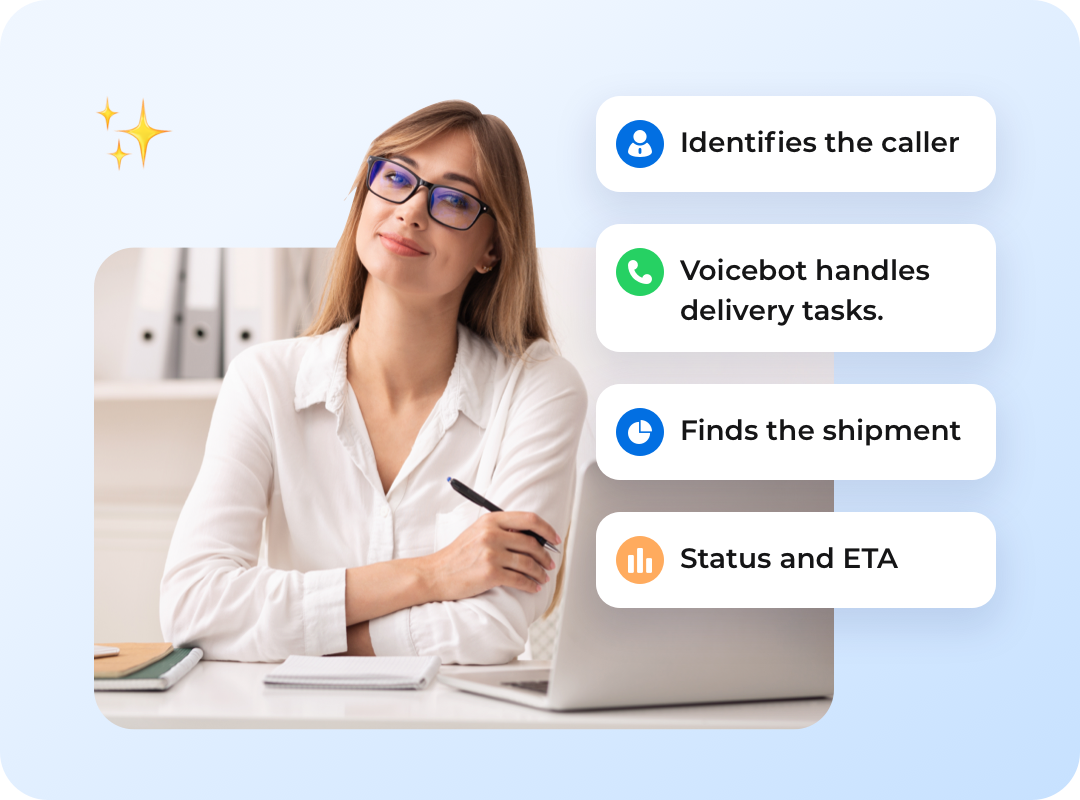
From Call to Resolution, Not Just a Menu
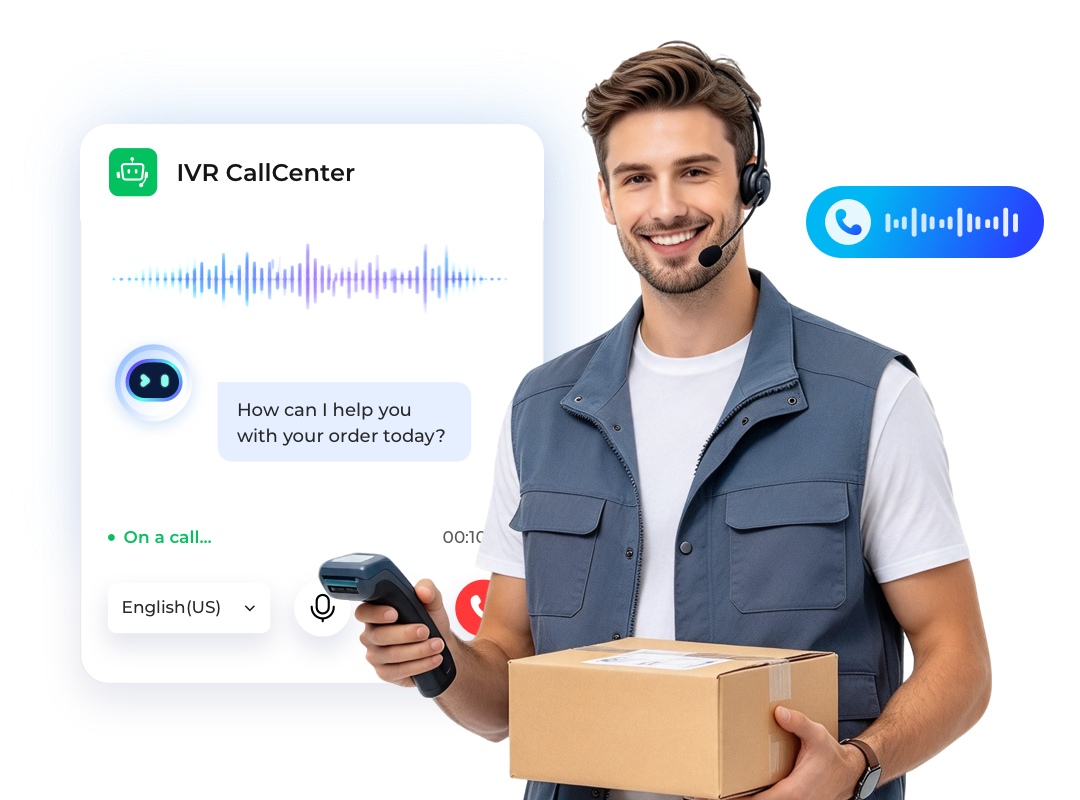
Phone menus push callers through fixed options and still end in a queue. Callers press zero, and your dispatchers absorb the volume anyway. A voicebot that understands natural speech works differently, because the caller simply says what they need and the conversation moves forward from there.
The bot verifies who is calling, finds the shipment, and checks for delays or exceptions. It then gives a clear answer or reschedules the delivery on the spot. When a person is genuinely needed, the call transfers with the full conversation and shipment details attached, so the caller never repeats themselves and the dispatcher never starts cold.
Outbound Calls That Stop Problems Early
Most frustrated inbound calls begin as a delay nobody mentioned. Proactive outbound calls remove the reason to call in by telling customers about a delay and a new ETA before they go looking for answers. The same system confirms new delivery windows and addresses in a single short call.
Routine check-calls to drivers and docks can run automatically as well. That leaves your dispatch team free to focus on the shipments that need human judgment, instead of spending the day on calls that follow a script.
See VoiceBot Outbound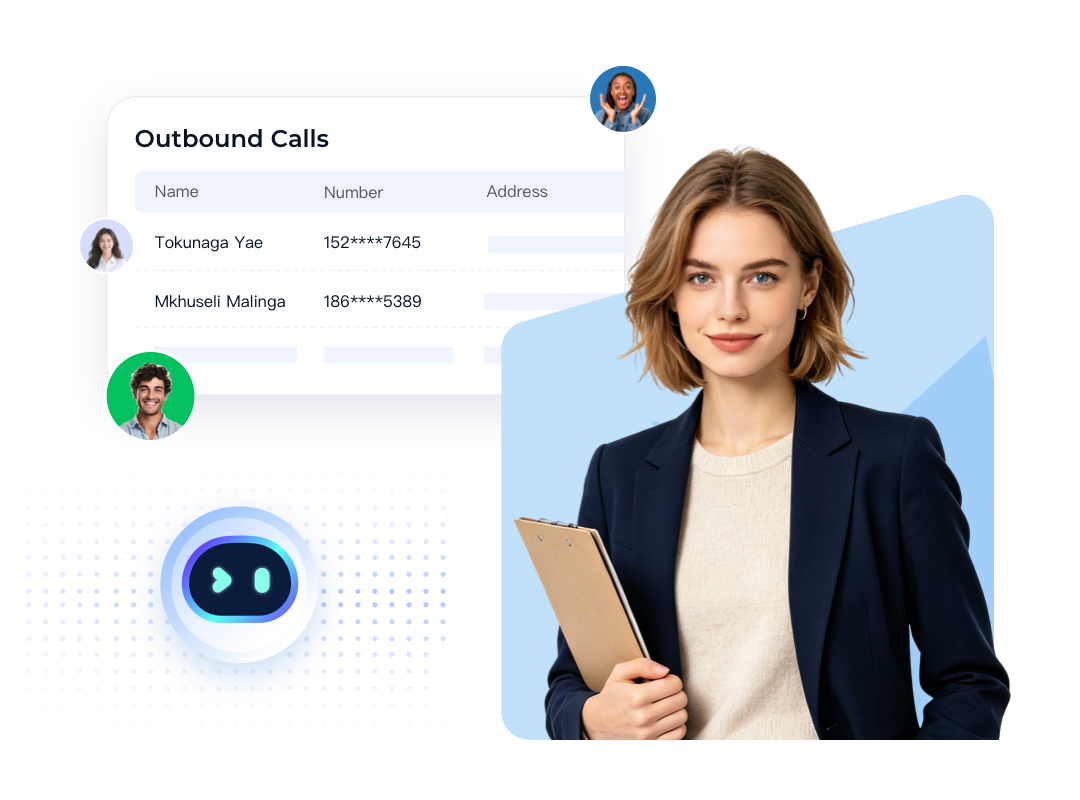
Connected to Your System, Not Beside It
A voicebot that cannot see shipment data can only read a script, and callers notice within seconds.
Instadesk connects to your transport management system, so answers come from live records and results from each call are written back. Voice, WhatsApp, and SMS follow-ups share one customer timeline in OmniConnect, which means a customer who starts on the phone and continues in chat keeps their full context.
Explore OmniConnect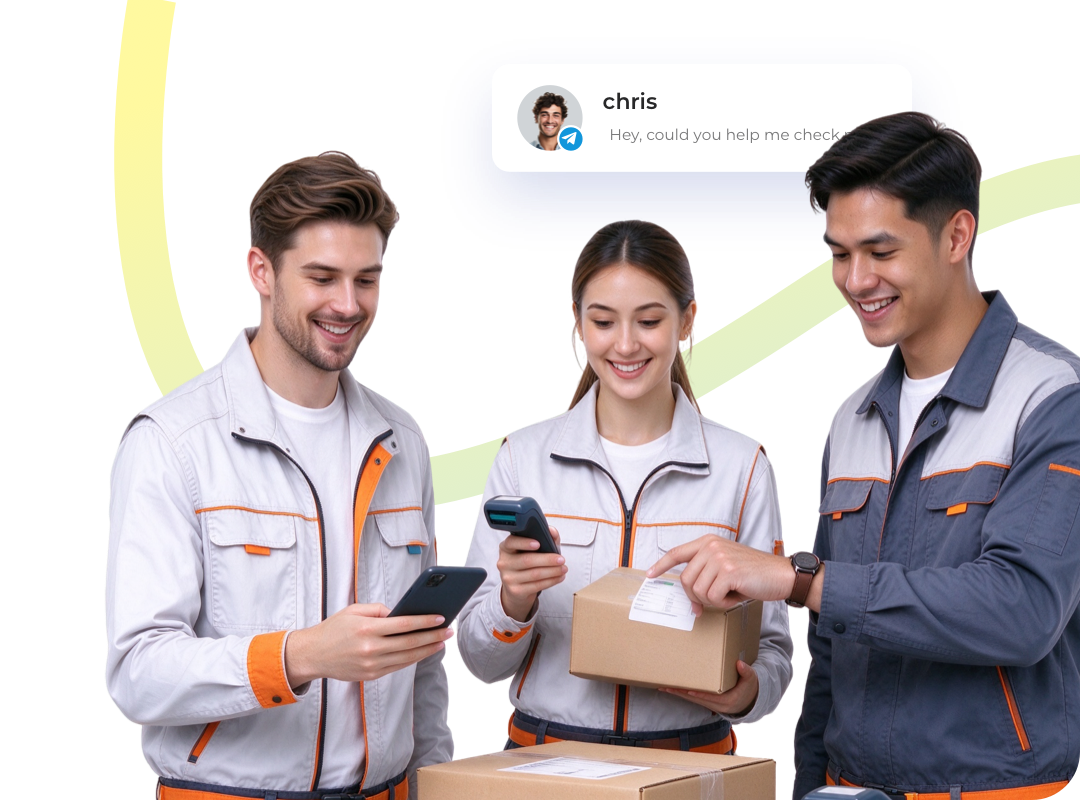
What It Costs Compared With Live Calls
Industry estimates put a live tier-one call at roughly $5 to $18, compared with $0.12 to $0.30 per minute for a voice agent. Older phone menus typically contain about 15 to 25 percent of calls, while voice AI is reported to handle 60 to 80 percent of routine status requests. These are vendor-reported ranges, so the most reliable number is your own: multiply monthly calls by minutes per call and cost per handled call, then compare.
The difference comes down to what each option can do. A live agent handles everything but only during staffed hours. A phone menu runs around the clock but cannot understand natural speech or look up a shipment. A voicebot runs around the clock, understands the caller, pulls live shipment data, and escalates exceptions with context attached.
Customer Story: 18,000+ Tracking Inquiries a Day, Handled
Peak season used to mean chaos. Last holiday season, Instadesk's AI handled 18,000+ tracking inquiries daily with zero human intervention. Our team resolved 93% of customer contacts without escalations, and we cut outsourcing costs by 40%. It's the backbone of our global customer operations now.
FAQ
It is a phone assistant that talks with customers, drivers, and carriers in natural speech, looks up shipment data, and completes routine tasks such as status updates and rescheduling. It frees dispatchers to work on exceptions instead of repeating the same answers.
Yes. The voicebot connects to your transport management system, so answers come from live shipment records and call results are logged back. Our team confirms the exact connection for your system during the demo.
A phone menu makes callers choose from fixed options, so many still end up in a queue. A voicebot understands what the caller says, finds the shipment, and resolves the request, which keeps more calls away from your team.
Instadesk supports 30+ languages, which matters for international shipments, cross-border drivers, and Southeast Asian markets where callers switch languages mid-call.
Most teams start with one call type, usually shipment status, and expand from there. The timeline depends on how your shipment data is connected, and we will give you a clear estimate in the demo.
Every call is logged and reviewable, and sensitive requests can escalate to a person by rule. Requirements vary by region and customer contract, so share yours during the demo and we will confirm what applies.
Get Started in Minutes. Experience the Difference.



 English


WhatsApp Us Now !