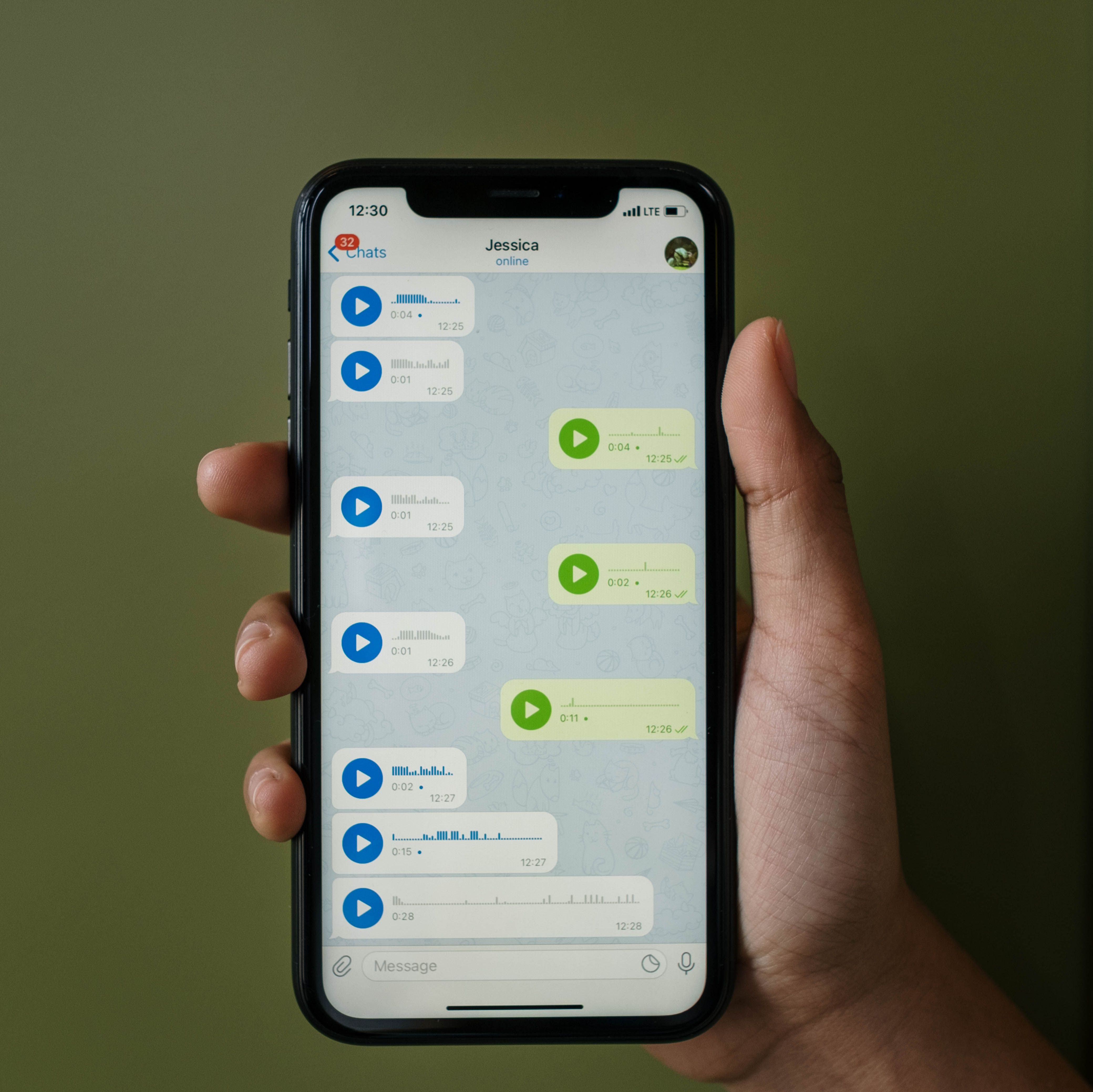
What is conversation with artificial intelligence?
Conversation with artificial intelligence refers to human-AI interactions where AI systems understand natural language, maintain context, and generate appropriate responses in real time. Unlike traditional computer interfaces that require specific commands, conversational AI enables users to communicate with technology using everyday language—just as they would with another person.
For energy companies, conversation with artificial intelligence transforms how customers, field staff, and partners interact with utility systems, providing instant access to information and enabling self-service transactions.

Conversational AI vs. Traditional IVR: What's the difference?
|
Aspect
|
Traditional IVR
|
Conversational AI
|
|
Interaction
|
"Press 1 for billing"
|
"I need to report an outage"
|
|
Understanding
|
Touchtone or limited voice commands
|
Natural language, context, intent
|
|
Flexibility
|
Rigid menu structure
|
Conversational, handles variations
|
|
Personalization
|
Generic s
|
References account data
|
|
Complexity handling
|
Simple transactions
|
Multistep, complex inquiries
|
Why conversation with AI matters for energy companies
Energy companies face unique communication challenges:
• Emergency situations:
During power outages, customers need immediate information and the ability to report issues quickly.• Complex billing:
Understanding usage, rates, and payment options requires clear explanation.• Field workforce:
Technicians need to access information hands-free while working.• Diverse customers:
Residential, commercial, and industrial customers have different needs and terminology.Conversational AI delivers:
• 24/7 availability:
Customers get answers anytime, not just during business hours.• Faster resolution:
No menu navigation—customers simply say what they need.• Reduced call volume:
Routine inquiries handled automatically.• Consistent information:
Every customer receives accurate, up-to-date information.• Improved accessibility: Natural conversation is easier for elderly or disabled customers than navigating menus.
How to implement conversation with AI in energy
• Start with high-volume use cases:
Identify the most frequent customer needs—outage reporting, bill due date, payment arrangements, service start/stop.• Train on energy terminology:
Ensure the AI understands industry terms—kilowatt-hour, demand charge, net metering, tariff, transformer.• Integrate with utility systems:
Connect to customer information systems, outage management systems, and billing platforms.• Design for empathy:
During outages or billing disputes, the AI should acknowledge customer frustration and provide clear, helpful information.• Provide seamless escalation:
When the AI can’t help, transfer to human agents with full context.How Instadesk enables conversation with AI for energy
Instadesk’s voicebot and chatbot platforms are purpose-built for energy companies:
• Energy-trained AI:
Our models understand energy terminology and can handle complex inquiries about rates, usage, and service issues.• System integration:
Connect to CIS, OMS, and billing systems for real-time customer data.• Natural conversation:
Customers can report outages, check bills, and request service changes using everyday language.• Outage handling:
During power outages, AI can provide estimated restoration times, outage map information, and safety tips.• Multilingual support:
Serve diverse communities in their preferred languages.• Analytics:
Track common customer needs to identify opportunities for process improvement.Frequently asked questions
Q: Can conversational AI handle emergency situations like outages?
A: Yes. AI can provide outage status, estimated restoration times, and safety information. For reporting life-threatening situations, it can escalate to emergency personnel.
Q: How accurate is conversational AI with different accents?
A: Modern models are trained on diverse speech patterns. Instadesk’s system achieves high accuracy across regional accents and languages.
Q: What if the AI doesn't understand what the customer is saying?
A: The system is designed to recognize when it can't help and transfer to a human agent gracefully, preventing customer frustration.
Conclusion
Conversation with artificial intelligence is transforming how energy companies serve customers and manage operations. By enabling natural, efficient interactions across voice and digital channels, conversational AI helps utilities improve customer satisfaction, reduce operational costs, and respond more effectively during emergencies. Instadesk’s purpose-built platform delivers these capabilities with the reliability and security energy companies require.