
Indonesia’s telecom operators handle millions of customer calls, WhatsApp messages, and social media interactions every day. Yet most quality assurance still relies on manual sampling – reviewing only a small fraction of conversations. The rest go unchecked. For Indonesia, this gap is a direct drain on budgets and a hidden compliance risk.
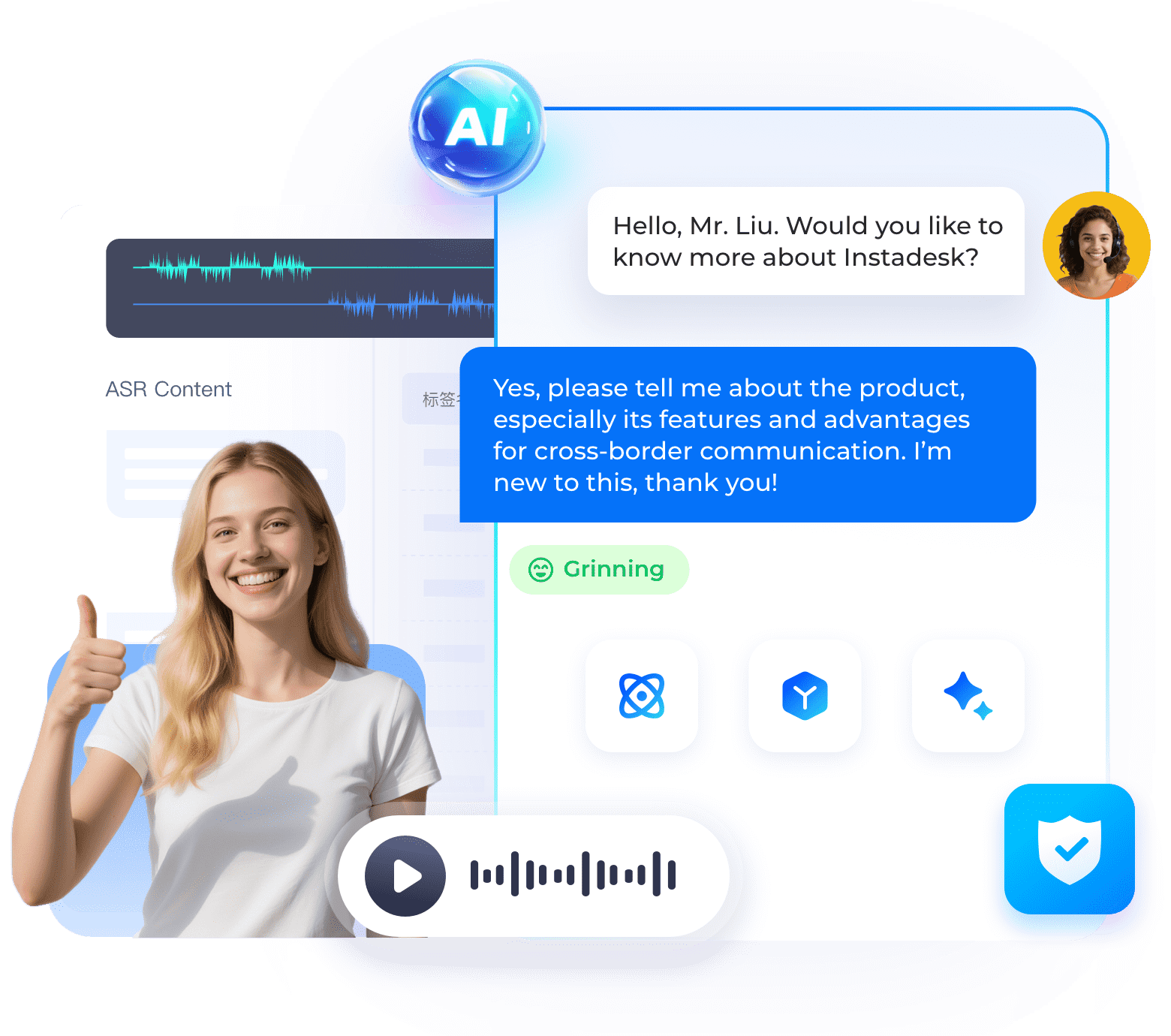
Instadesk Quality Inspection helps telecoms move from sampling to 100% full coverage monitoring. This guide provides a 5 step roadmap to cut QA costs and raise customer satisfaction.
Step 1: Audit your current QA cost and coverage gap
Most Indonesian telecoms review less than 5% of customer interactions. A single QA analyst costs millions of rupiah per year in salary, yet only checks a handful of daily calls. The majority of conversations – and potential compliance violations – are never examined.
Calculate your current QA spend. Include salaries, management overhead, and the estimated cost of missed complaints. This baseline will reveal the return that automation can deliver.
Step 2: Pilot on a high risk channel
Instead of transforming everything at once, start with a contained pilot. Choose a channel where missed violations carry the greatest cost – inbound customer service, sales verification, or WhatsApp business.
Use pre built industry templates (over 50 available) and activate them with one click. Run a 2 4 week parallel test comparing manual and AI inspection. Early results from Indonesian operators show that automating routine QA tasks can significantly reduce complaints and improve efficiency.
Step 3: Scale to 100% omnichannel coverage
After the pilot proves value, scale to full coverage monitoring across every channel: phone, WhatsApp, email, live chat, social media, video, and documents.
Tri mode AI collaboration powers this shift:
• Rule screening catches basic violations instantly
• Semantic understanding grasps intent and context
• Agent judgment handles edge cases
Recognition accuracy increases by 50%, missed detection rates drop by 40%, and real time risk s flag issues as high, medium, or low priority – allowing supervisors to act before problems escalate.
Step 4: Integrate with agent coaching and workflows
AI inspection does more than score calls. It automatically captures action scores from every conversation, identifying moments where agents excelled or missed opportunities. These moments can be replayed for training.
The system also builds a self updating knowledge base of top scripts, FAQs, and SOPs. New agents start with proven winning patterns instead of learning through trial and error. Integration with CRM and ERP ensures that recurring issues are auto ticketed and escalated.
Step 5: Operationalise and tie to business outcomes
Once full coverage is established, feed quality insights directly into operations. The growth loop turns conversation analysis into training, knowledge management, and sales enablement.
Instadesk Quality Inspection delivers measurable results: complaint risk reduced by 65%, labor costs cut by 30%, first pass resolution increased by 40%, and win rates up by 35%. Over 90% of violations are intercepted automatically.
For Indonesian telecoms, where service quality directly influences customer loyalty and retention, AI powered quality inspection transforms compliance from a cost centre into a competitive advantage.
Conclusion
Moving from manual sampling to 100% AI coverage is not a distant vision. It is a practical 5 step roadmap already proving itself in the market.
Instadesk Quality Inspection provides omnichannel coverage, tri mode AI collaboration, real time risk s, and a growth loop that turns customer conversations into strategic insight. For Indonesian telecoms ready to cut costs and boost CSAT, the path from 2% to 100% is clear.