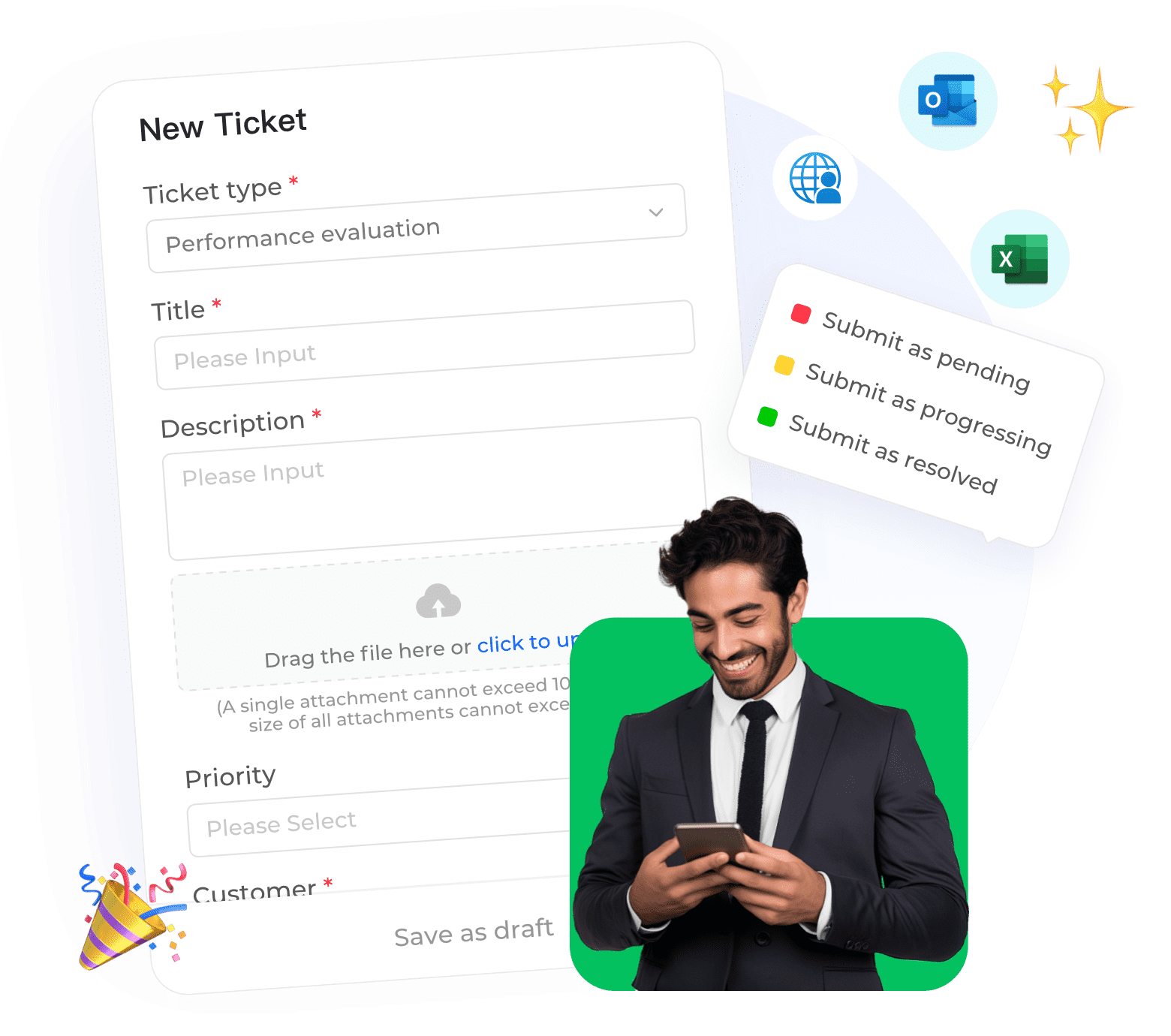
The open-source world is buzzing about OpenClaw. Dubbed the "AI that can actually work," it has captured the industry's imagination by demonstrating something long promised but rarely delivered: AI that doesn't just talk, but does. It writes code. It queries databases. It completes multi-step tasks without human hand-holding.
Naturally, this has sparked a wave of excitement about efficiency. Faster responses. Faster resolutions. Faster everything.
But as the conversation accelerates, a more fundamental question gets left behind: In customer service, is speed really what customers care about most? Or have we been measuring the wrong thing all along?

The Myth of "Fast Enough"
It's easy to assume that faster equals better. Shorter wait times, quicker replies, instant resolutions—these all sound like obvious wins. But customer satisfaction data tells a more nuanced story.
Consider what really drives a positive customer experience:
• Accuracy: Was the problem solved correctly, or did the agent guess wrong?
• Continuity: Does the customer have to repeat themselves across channels or handoffs?
• Visibility: Can they see what's happening, or are they left wondering if their issue is lost?
• Consistency: Does the experience feel the same via email, chat, or phone?
Speed touches all of these, but it doesn't define them. A fast answer that's wrong is worse than no answer at all. A quick handoff that drops context forces the customer to start over. A speedy closure that ignores follow-up creates distrust.
In other words, speed without intelligence isn't a solution—it's just noise.
Beyond Speed: What Problem Resolution Actually Looks Like
This is where Instadesk Ticket System enters the conversation. Built for enterprises that handle complex, cross-departmental customer issues, the platform treats speed as a baseline—not the finish line.
1. Speed as the Starting Point
Yes, tickets need to move fast. Instadesk supports multi-channel creation (email, forms, API, and cross-platform interfaces), automatically parsing incoming requests into structured tickets. Automation rules—triggers, SLA s, smart assignment—ensure nothing sits idle. The result? Agent efficiency increases by over 30% , and response times shrink.
But that's just table stakes.
2. Visibility That Builds Trust
A ticket that disappears into a black hole is a customer's worst nightmare. Instadesk provides visual oversight across the entire lifecycle—ticket association, workflow configuration, cross-departmental handoffs. Agents and managers alike can track progress in real time. When a customer asks, "What's happening with my issue?" the answer is never "I don't know."
This transparency directly fuels a 20%+ improvement in customer satisfaction . Not because things move faster, but because customers feel informed and included.
3. Intelligence That Ensures Accuracy
Here's where OpenClaw's vision aligns most closely with Instadesk's reality. The ticket system is empowered by large language models that don't just route—they understand.
Incoming emails are parsed not just for keywords, but for intent. The system extracts relevant information, auto-populates fields, and even suggests solutions based on historical tickets and knowledge base articles. Agents working on complex issues get tools like ticket associations and workflow templates that help them resolve problems correctly the first time.
This isn't just about doing things quickly. It's about doing them right.
4. Consistency Across Every Channel
Customers don't think in channels. They think in problems. Whether they reach out via email, submit a form, or start a chat, they expect the same level of service. Instadesk unifies everything into a single ticketing hub. Agents work in one interface, with one view of the customer. No switching systems. No repeated questions. No fragmented experiences.
Rethinking Customer Service in the AI Era
OpenClaw sparked a global conversation about AI that acts. But as the buzz settles, one truth remains: Customers don't measure service by the clock. They measure it by outcomes.
Was my problem solved? Did I feel heard? Do I trust this company to help me again?
Speed contributes to those outcomes. But it doesn't define them. The AI era isn't about doing things faster. It's about doing things right.