Thai banks face intense competition and high customer expectations. Frontline staff need to master sales techniques, objection handling, regulatory compliance, and customer empathy. Traditional training methods—classroom sessions and e-learning—fail to build practical skills. AI-powered simulation training provides realistic, risk-free practice with virtual customers. This article explains how Thai banks can use AI simulation to upskill their sales and customer service teams, reduce onboarding time, and improve compliance.
The Thai Banking Training Challenge
Thailand's banking sector is rapidly digitizing, but customer interactions remain highly personal. New hires take 4-6 months to reach proficiency. Compliance violations, such as missing disclosures or mis-selling, are common. High turnover means constant retraining. Traditional training is passive and does not allow agents to practice handling angry customers, explaining complex products, or de-escalating disputes.

What Is AI-Powered Simulation Training?
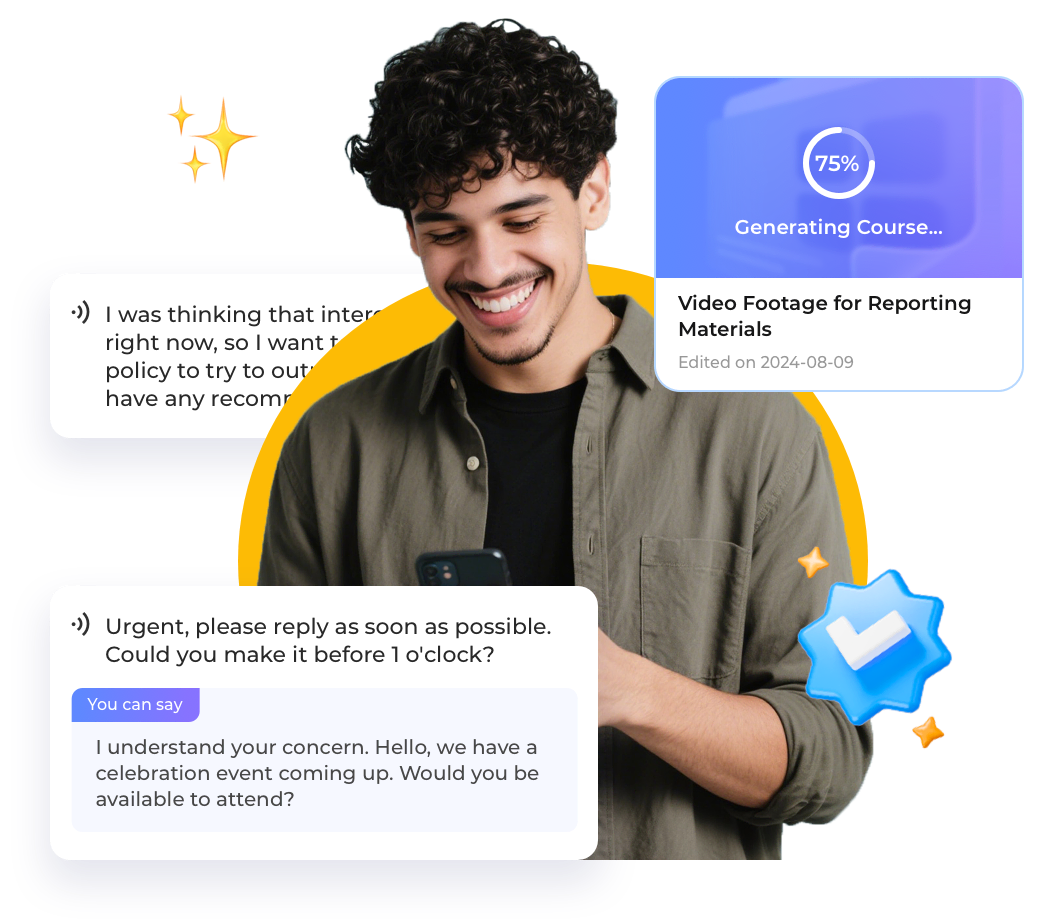
AI-powered simulation training uses generative AI to create virtual customers with realistic personalities, objections, and emotional states. Agents interact with these virtual customers via voice or chat, practicing their sales pitches, objection handling, and compliance scripts. The AI provides real-time feedback on tone, compliance, and effectiveness. Managers can track competency dashboards and identify skill gaps.
Key Benefits for Thai Banks
· Faster onboarding: New agents reach proficiency in 8 weeks instead of 16.
· Higher sales conversion: Agents practice handling price objections and upselling.
· Improved compliance: Real-time feedback on required disclosures reduces regulatory risk.
· Reduced training costs: Eliminate travel, venue, and instructor expenses.
· Scalability: Train hundreds of agents simultaneously across branches.
How Instadesk's Intelligent Training Serves Thai Banks
Instadesk's platform is purpose-built for Thai banks. It includes pre-built scenarios in Thai language for sales (credit card upselling, loan product pitching), customer service (complaint handling, dispute resolution), and compliance (data privacy disclosures, prohibited language avoidance). AI-generated virtual customers have varied personas: skeptical, budget-conscious, loyal, angry. Real-time feedback flags missed objections and suggests better phrasing. Competency dashboards track individual and team progress. The platform is mobile-friendly for learning on the go.

Case Study: Thai Bank Reduces Onboarding Time by 40% with AI Simulation
A Thai commercial bank with 1,000 call center agents deployed Instadesk's simulation training for new hires. Previously, classroom training took 12 weeks, and agents made mistakes on live calls. After deploying AI simulation, new agents practiced 50 simulated calls before taking live calls. Results: onboarding time reduced from 12 weeks to 7 weeks (40% reduction); compliance violation rate dropped by 50%; customer satisfaction increased by 15%; turnover among new hires decreased by 30%.
How to Implement AI Simulation Training
· Identify key sales and service scenarios from your call logs.
· Select a platform with Thai language AI and pre-built banking scenarios (Instadesk).
· Customize scenarios with your products and policies.
· Deploy to agents via web and mobile app.
· Set competency benchmarks and track progress.
· Use dashboard insights to provide targeted coaching.
Conclusion
For Thai banks, AI-powered simulation training is a proven way to upskill sales and customer service teams quickly and effectively. Instadesk's platform delivers local language support, measurable ROI, and rapid deployment. Start with a free trial to see how it can transform your training outcomes.