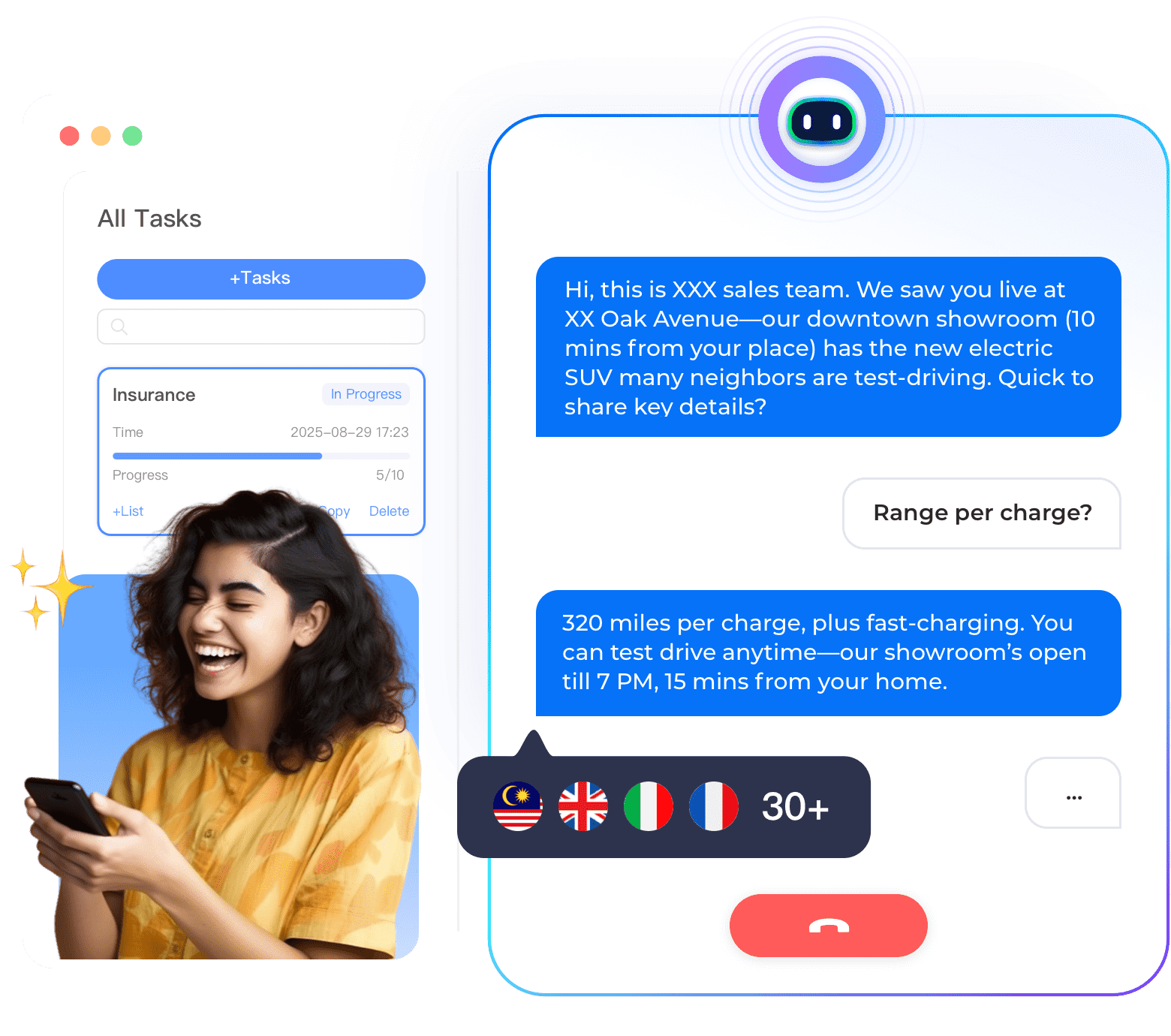
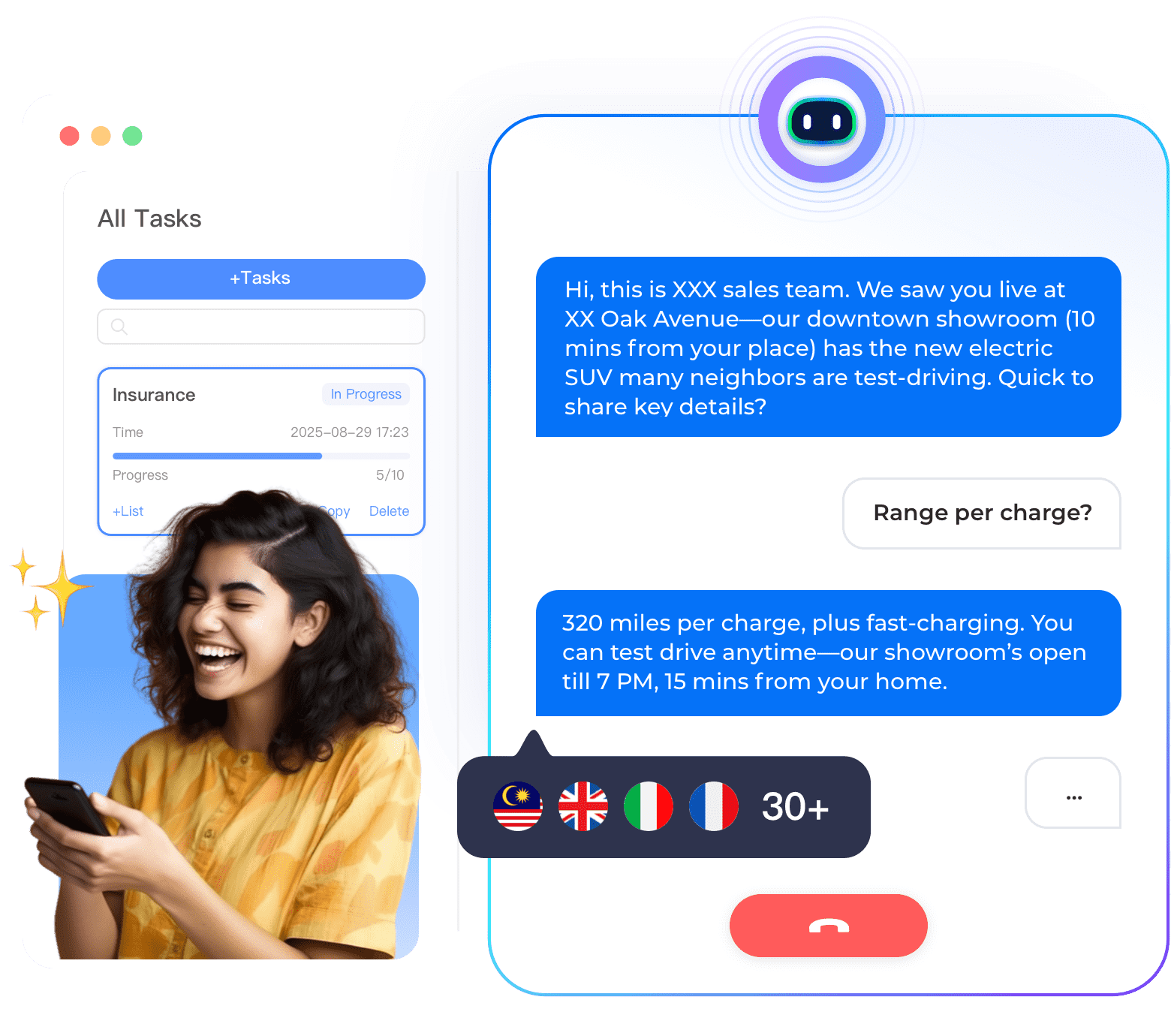
How Smart Enterprises Are Deploying AI Voicebots That Actually Deliver
For years, voice has remained the final frontier of customer service automation. It's immediate, emotionally charged, and notoriously difficult to control. While businesses rushed to digitize chat and email, the phone channel often languished with outdated IVR menus that frustrated callers rather than helping them. That era is ending.
Today's forward-thinking enterprises are discovering that AI-powered voice isn't just about answering calls—it's about fundamentally reimagining how brands connect with customers. Through deployments across finance, healthcare, and retail, clear patterns have emerged that separate successful voice automation from costly experiments. Here's what it really takes to scale voicebots in high-stakes customer service environments.

1. Voice Automation Thrives on a Single Source of Truth
Too often, companies build their voice channel on an island. The logic differs from their chatbot. The data lives in a separate silo. The customer experience becomes fragmented.
The most powerful voicebot benefits emerge when voice shares intelligence with every other channel. A unified orchestration layer ensures that whether a customer calls about a billing dispute or messages about a promotion, the AI draws from the same knowledge, follows the same rules, and executes the same workflows.
2. Real-World Conditions Demand Resilience, Not Just Recognition
Call centers aren't quiet studios. Customers phone in from busy streets, with children in the background, or while multitasking at work. They're sometimes frustrated, sometimes distracted, and rarely following a script.
This reality separates basic voice recognition from true enterprise-grade voicebots. Effective solutions are engineered for exactly these conditions. Advanced systems process fragmented speech, filter background noise through sophisticated dialect models, and respond to interruptions within two seconds—faster than most humans.
The emotional dimension matters equally. By infusing responses with tonal warmth and appropriate empathy, enterprises deploying modern voicebot for call center solutions achieve 65% higher customer satisfaction. One healthcare provider found that call durations increased naturally because patients actually enjoyed speaking with the bot—it felt less like a transaction and more like a conversation.
3. Freeform Conversation Needs Firm Guardrails to Scale
Natural language capabilities impress executives during demos. But when regulatory compliance, financial accuracy, or data security enters the picture, unstructured conversation becomes a liability.
This is where effective approaches diverge sharply from generic AI chatbots. Every interaction flows through carefully designed dialogue tasks—visual workflows that blend conversational freedom with deterministic business rules. Think of it as giving the AI both the flexibility to understand "I forgot my payment" and the discipline to follow required verification steps before discussing account details.
For debt collection scenarios, this structure proves essential. The bot must identify the customer, state the purpose compliantly, handle objections professionally, and document outcomes accurately. Templated workflows, refined across eight industries and numerous deployment scenarios, provide this precision.
4. True Success Measures Resolution, Not Call Deflection
It's tempting to celebrate when a voicebot handles 80% of calls without human involvement. But if those callers hang up with unresolved issues, the metric becomes meaningless.
Mature enterprises track deeper indicators. For major retailers, the goal wasn't merely automating after-sales surveys—it was capturing meaningful feedback that improved operations.
Similarly, healthcare providers have deployed inbound and outbound voicebots to handle over 100,000 customers per location. These systems don't just deflect inquiries; they intelligently route health package inquiries, manage appointment bookings, and escalate complex medical questions to human specialists with full context. Customers get faster answers, and staff focus on higher-value interactions.

5. Voice AI Demands Continuous Coaching, Not Passive Monitoring
Launching a voicebot ai isn't a project with an end date. It's the beginning of an ongoing operational commitment. The organizations that extract maximum value treat their voice agents as evolving team members that require feedback, training, and refinement.
Modern analytics platforms make this manageable. Conversation content automatically tags itself. Abnormal interactions trigger diagnostic s. Customer intent patterns emerge from call data, informing script adjustments and workflow improvements. One retail client now iterates their voicebot three times faster than traditional script updates, responding to seasonal promotions and customer feedback in days rather than weeks.
Security remains paramount throughout this evolution. With desensitized data display, encrypted call links, and flexible deployment architectures, enterprises maintain compliance while continuously improving performance.
Enterprise organizations follow a consistent pattern when scaling voice automation. They start with clear workflows mapped to business outcomes. They integrate deeply with existing CRM and data systems. They train continuously using real conversation data. And they measure what matters—resolution rates, satisfaction scores, and business impact.
A leading audio platform exemplifies this approach. During their major marketing campaign, deployed voicebots reached 500,000 members in two days—work that would require 13 times the human effort. But more importantly, the system delivered activity messages instantly upon connection, ensuring 100% coverage and driving actual engagement, not just answered calls.
Voice technology has finally matured beyond simple recognition into genuine understanding and action. The enterprises leading this shift recognize that voicebot success isn't about mimicking human conversation perfectly. It's about executing business processes reliably, adapting to real-world complexity, and continuously improving through data.
The foundation exists today: unified intelligence that works across languages and channels, structured workflows that ensure compliance, emotional intelligence that builds connection, and analytics that drive evolution. For organizations ready to move beyond outdated IVR systems and fragmented automation experiments, the path forward is clear.
The question isn't whether voice automation will transform customer service. It's whether your enterprise will lead that transformation or follow it.
Issac
Omnichannel Digital Operations: Driving Traffic Growth & Deepening User Value
You may also like
Instadesk vs. Sobot: A 2026 Comparison of AI-Powered Customer Service Platforms
This 2026 comparison contrasts Sobot, an all-in-one practical omnichannel customer service platform, with Instadesk, an LLM-focused solution boasting advanced voice AI, end-to-end automation and deep multilingual capabilities.
Sentiment Analysis for Gaming: Understanding Player Emotions
Sentiment analysis uses AI to extract emotional tone from player communications, differing from intent recognition by focusing on feelings. It boosts gaming support efficiency, reduces churn, and optimizes design; Instadesk’s VoiceBot delivers tailored real-time sentiment tools for the gaming industry.
Why Industry Leaders Switching to AI Voice Agents: ROI, Efficiency, Conversion Data
Instadesk VoiceBot modernizes voice operations without full overhauls, starting with high-volume tasks. It boosts efficiency, cuts costs, lifts conversions and satisfaction, turning voice channels into growth engines.
Get Started in Minutes. Experience the Difference.