What is sentiment analysis?
Sentiment analysis is the automated process of identifying and extracting emotional tone from text or voice communications. Using natural language processing and machine learning, sentiment analysis determines whether a message expresses positive, negative, or neutral feelings—and can often detect more nuanced emotions like frustration, excitement, or confusion.
In the gaming industry, sentiment analysis helps developers and publishers understand how players feel about their games, support interactions, and overall experience.

Sentiment analysis vs. Intent recognition: What's the difference?
Aspect |
Sentiment Analysis |
Intent Recognition |
|
Purpose
|
Understand emotional state
|
Understand goal or need
|
|
Output
|
Positive/negative/neutral score, specific emotions
|
Intent category (e.g., "account recovery")
|
|
Use case
|
Gauge satisfaction, escalate urgent issues
|
Route to right team, automate resolution
|
|
Timeframe
|
Real-time or historical
|
Real-time typically
|
|
Combined
|
Sentiment can inform how to handle an intent
|
Intent tells you what; sentiment tells you how
|
Both work together to create truly intelligent customer service.
Why sentiment analysis matters for gaming companies
Players are passionate. When they encounter issues—lost progress, payment problems, technical bugs—emotions can run high. Understanding those emotions helps gaming companies:
• Prioritize urgent cases:
A frustrated player reporting a game-breaking bug needs immediate attention.
• Prevent churn:
Detecting negative sentiment early allows intervention before players quit.
• Identify delighted players:
Positive sentiment signals opportunities for upsell or advocacy.
• Improve game design:
Aggregate sentiment analysis reveals which features frustrate or delight players.
• Train support agents:
Understanding emotional patterns helps agents respond more empathetically.
How to use sentiment analysis in gaming
• Monitor support tickets: Automatically tag tickets with sentiment to prioritize and route appropriately.
• Analyze social media: Understand public perception of game launches, updates, and events.
• Review in-game chat: Detect toxic behavior or player frustration in real time.
• Evaluate voice calls: For games with voice support, analyze caller sentiment to guide agent responses.
• Track sentiment over time: Monitor how player sentiment changes with updates and new content.
How Instadesk's VoiceBot uses sentiment analysis for gaming
Instadesk's VoiceBot platform includes powerful sentiment analysis capabilities tailored for gaming:
• Real-time sentiment detection:
During voice calls, the system analyzes tone and language, ing agents when a player becomes frustrated.
• Sentiment-aware routing:
Highly negative sentiment can trigger escalation to senior support or supervisors.
• Sentiment history:
Track a player's sentiment across interactions to identify patterns and ongoing issues.
• Integration with game data:
Correlate sentiment with in-game events—did a recent update cause frustration?
• Agent guidance:
When negative sentiment is detected, the system suggests de-escalation techniques and empathetic responses.
Frequently asked questions
Q: How accurate is sentiment analysis?
A: Modern systems achieve high accuracy, especially for clear emotions. Subtle or sarcastic expressions can be challenging, but continuous learning improves performance.
Q: Can sentiment analysis work across different languages?
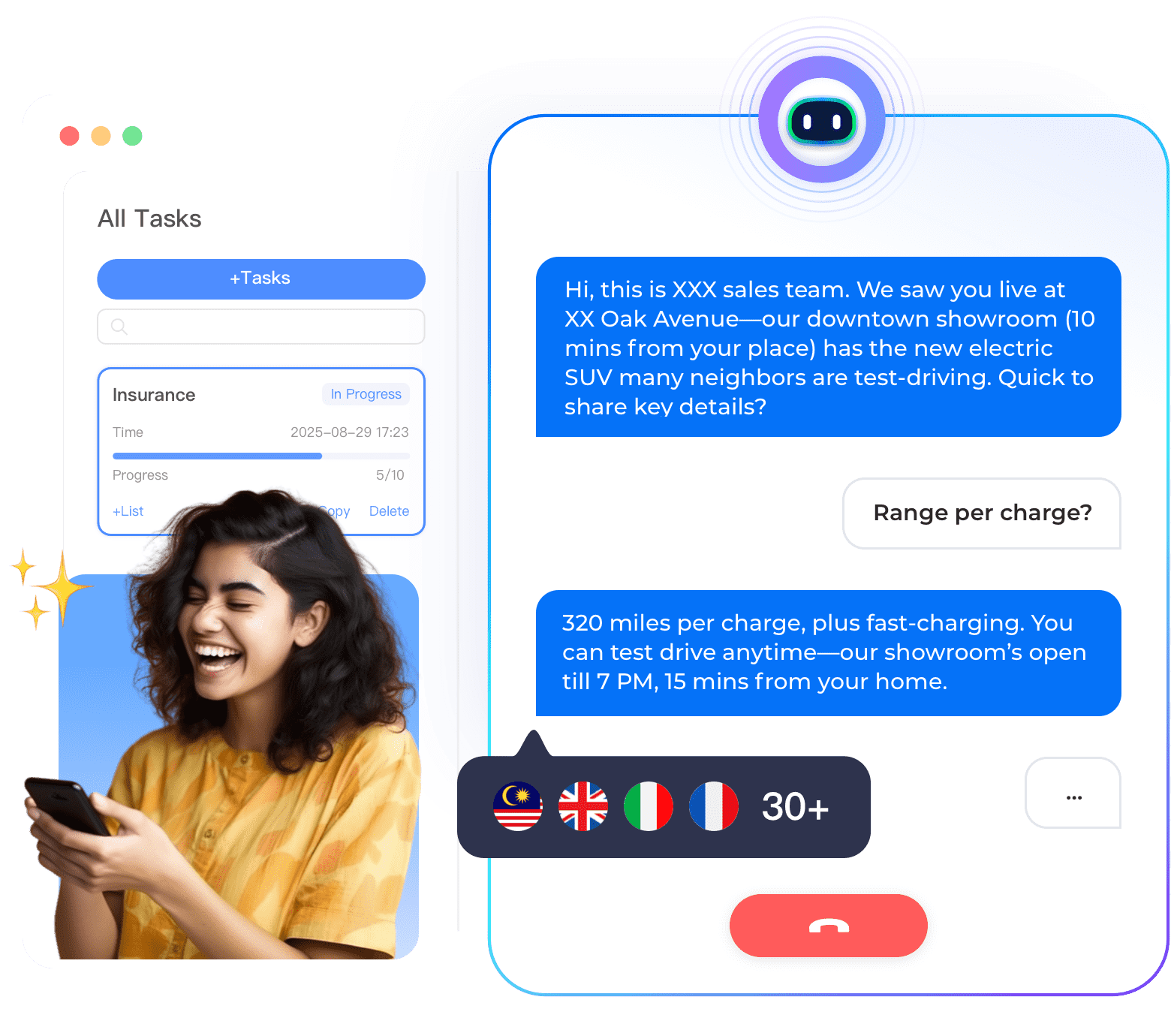
A: Yes, Instadesk's models are trained multilingually and can detect sentiment in 30+ languages.
Q: Is sentiment analysis only for customer support?
A: No, it's valuable for community management, game design feedback, and even playtesting.
Sentiment analysis helps gaming companies understand the emotions behind player interactions, enabling faster response to frustration, celebration of delight, and continuous improvement of both support and game design. Instadesk's VoiceBot brings these capabilities to gaming companies of all sizes.