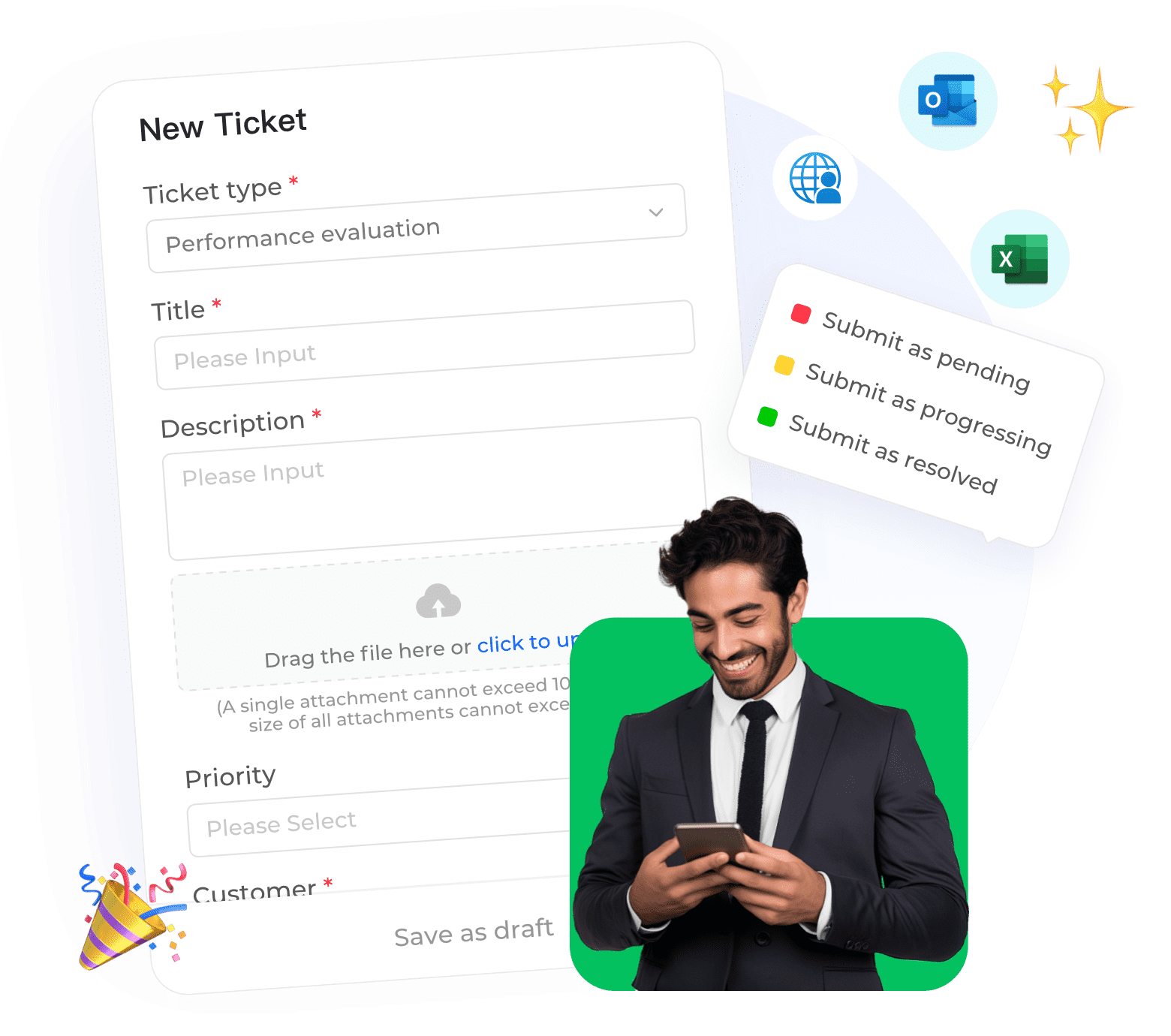

Best ticketing system in 2026: comparing Zendesk, Freshdesk, Instadesk, and more is no longer a discussion about learning modules alone. For fast-growing, cross-border teams, ticketing quality is now defined by how closely it connects with real ticket workflows, real customer pressure, and real operational data. In Southeast Asian markets such as Malaysia, Thailand, Indonesia, Vietnam, and Singapore, service teams operate across languages, channels, and time zones. Ticketing systems must therefore be practical, integrated, and measurable, not abstract or classroom-based.
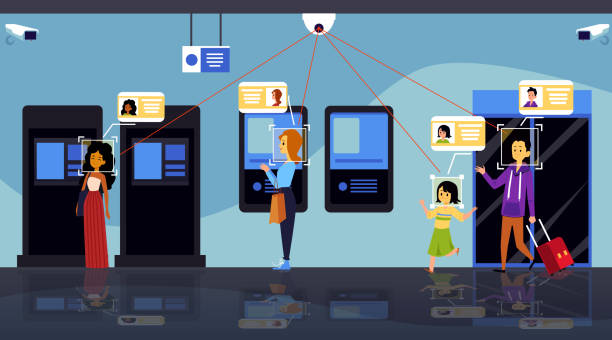
Why ticket-driven ticketing matters in 2026
Customer service ticketing used to live in documents, videos, and onboarding sessions. In 2026, that model no longer works. Agents learn fastest when ticketing is embedded directly into the ticket system they use every day. Tickets capture real customer intent, real mistakes, real delays, and real success patterns. A modern ticketing system must be built around ticket flows, not separated from them.
In high-volume environments, especially in e-commerce, IoT, and global consumer services, tickets reflect operational truth. They show where agents struggle with language switching, policy interpretation, SLA pressure, or tool complexity. A ticketing system that does not read from ticket data cannot evolve with the business.
How Zendesk approaches ticketing in ticket environments
Zendesk is widely known for its mature ticketing platform and ecosystem. Its ticketing philosophy focuses on structured onboarding, certification paths, and help center documentation. For organizations with stable processes and centralized teams, this approach offers predictability and clarity.
Zendesk ticketing content is often delivered through predefined courses and external learning portals. While these materials are comprehensive, they typically sit outside daily ticket handling. Feedback loops between ticket performance and ticketing updates tend to rely on manual review and managerial intervention.
In Southeast Asian operations where teams are distributed across Malaysia, Thailand, Indonesia, and Vietnam, this separation can slow adaptation. ticketing updates may lag behind real customer behavior changes, especially when language mix and channel volume fluctuate rapidly.
Freshdesk and its operational learning model
Freshdesk positions itself as flexible and accessible, particularly for mid-sized teams. Its ticket system supports automation rules, SLA tracking, and internal notes that can be used informally for coaching. ticketing often happens through supervisor feedback, macros, and internal guidelines.
This model works well in smaller teams where managers can closely observe ticket quality. However, as ticket volume grows across multiple countries such as Singapore, Malaysia, and Indonesia, reliance on human-led coaching becomes a bottleneck. ticketing quality becomes uneven across regions and shifts.
Freshdesk provides the tools to support learning, but the system itself does not actively structure ticketing around ticket intelligence. Much depends on how teams design their internal processes.
Instadesk’s ticket-centered ticketing logic
Instadesk approaches ticketing from a different starting point. Instead of treating ticketing as a separate layer, Instadesk builds learning directly into the ticket system. Tickets are not only service records. They are ticketing data.
Through intelligent ticket classification, routing, and SLA tracking, Instadesk continuously identifies where agents need support. Repeated ticket types, delayed responses, language mismatches, and escalation patterns are surfaced automatically. ticketing priorities emerge from live operations rather than static plans.
In multi-country deployments across Malaysia, Thailand, Indonesia, Vietnam, and Singapore, this approach ensures that ticketing stays aligned with real customer demand. Agents improve while working, not before or after.
Practical ticketing impact from real ticket operations
In documented overseas deployments, Instadesk’s ticket system supported unified access to more than 20 service channels and real-time handling across over 10 languages. Tickets were automatically categorized and routed to appropriate teams based on language, issue type, and time zone.

This structure reduced unnecessary handovers and exposed clear ticketing gaps. Agents no longer relied on guesswork. Knowledge access, historical tickets, and standardized workflows were available in one interface. As a result, ticket handling became both a service task and a learning process.
The outcome was measurable. SLA compliance reached 99.2%, indicating not only faster responses but more consistent agent performance. ticketing effectiveness showed up directly in ticket metrics, not surveys or exams.
ticketing consistency across Southeast Asian markets
One of the hardest challenges in Southeast Asia is consistency. Teams in Malaysia, Thailand, Indonesia, Vietnam, and Singapore often operate under different languages, labor structures, and customer expectations. Traditional ticketing programs struggle to maintain the same quality standard across these environments.
Instadesk addresses this by enforcing standardized ticket workflows and shared knowledge bases across regions. ticketing content is not duplicated or localized manually. It is accessed dynamically through the ticket interface, ensuring that agents in different countries learn from the same source of truth.
This model reduces ticketing drift and prevents regional silos from forming.
Why Instadesk outperforms traditional ticketing systems
Compared with Zendesk and Freshdesk, Instadesk’s advantage lies in integration depth. ticketing is not an add-on. It is a byproduct of daily ticket handling. Every ticket processed correctly reinforces best practice. Every deviation highlights a ticketing opportunity.
Zendesk excels in formal learning structures. Freshdesk offers flexibility for manager-led coaching. Instadesk goes further by turning the ticket system itself into a continuous ticketing engine.
For fast-scaling teams in Southeast Asia, where operational change is constant, this difference matters.
Final perspective for 2026
Instadesk demonstrates that the most effective ticketing system is one that agents barely notice. It lives inside tickets, workflows, and daily decisions. For organizations operating across Malaysia, Thailand, Indonesia, Vietnam, and Singapore, this model delivers faster learning, higher SLA performance, and more resilient service teams.
In 2026, ticketing success is measured in resolved tickets, not completed courses. Instadesk is built for that reality.