
In 2026, the best intelligent training systems are no longer defined by flashy AI demos or generic learning dashboards. They are defined by how well they prepare people for real conversations, real customers, and real operational pressure. As organizations scale across languages, regions, and regulatory environments, training can no longer be static, theoretical, or disconnected from daily work. Intelligent Training must operate inside real workflows, reflect real customer behavior, and improve performance that can be measured. The next generation of training is practical, data-driven, and continuously adaptive—built not to impress, but to perform.
Why Traditional Training Breaks Down at Scale
Most enterprise training models were designed for stable environments. Fixed scripts. Periodic workshops. One-size-fits-all content. These approaches struggle once organizations operate globally or rely on high-volume customer interactions.
Three structural problems repeatedly appear: Training content drifts away from reality. Customer behavior changes faster than training materials. Agents and sales teams face scenarios they were never trained for. Performance gaps are discovered too late. Issues surface only after failed calls, compliance violations, or lost conversions. Language and consistency become bottlenecks. Multilingual teams depend heavily on individual skill rather than standardized capability.
AI-Powered Sales Simulation as a Training Foundation
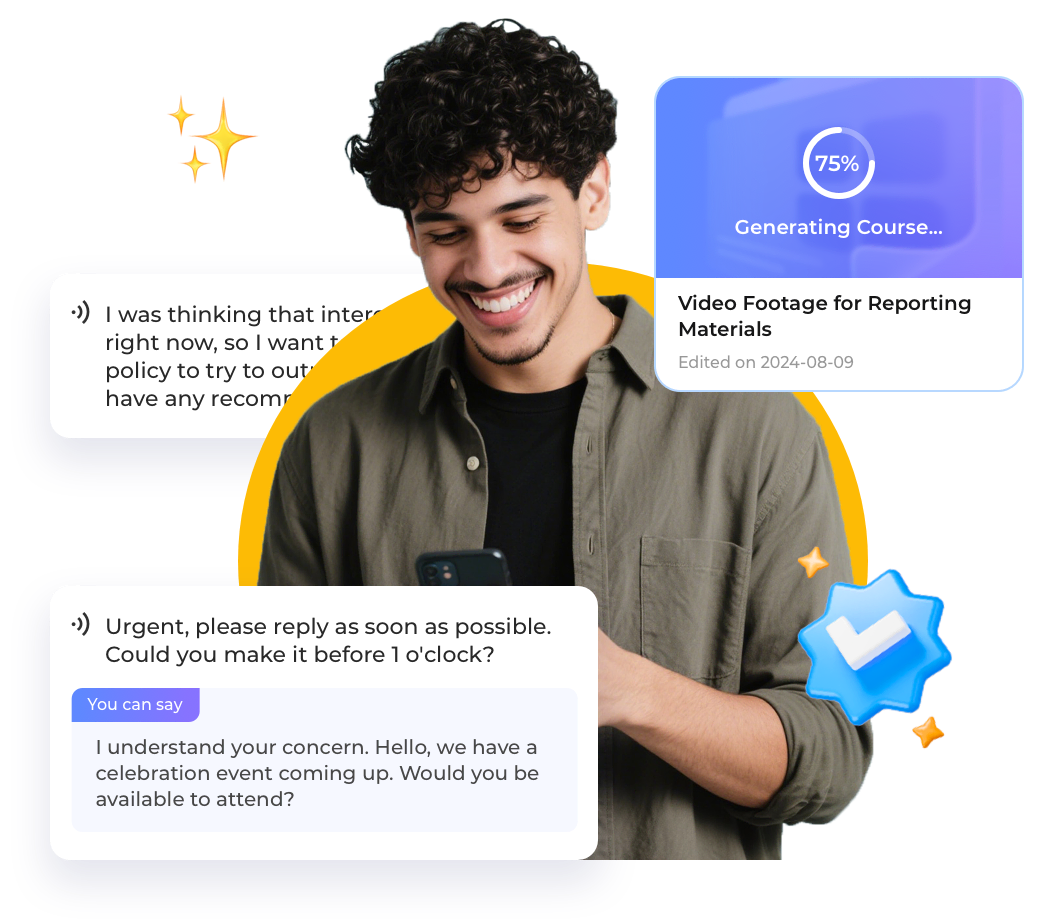
One of the most mature examples of Intelligent Training in practice is AI-driven sales simulation. Rather than relying on role-play between humans or static scripts, AI simulates real customer conversations using natural language understanding and speech technologies. Trainees interact with the system as if they were speaking to actual customers, facing realistic objections, compliance-sensitive questions, and decision-making paths.
Case Example: Intelligent Training for Global Insurance Sales
Lima Global Insurance provides a clear example of how Intelligent Training works in a real enterprise environment.
As a global insurance provider, Lima faced multiple training challenges:
Sales teams serving customers in multiple languages, including English, Malay, and Japanese
Strict regulatory and compliance requirements across regions
Heavy reliance on human agents with uneven communication skills
Limited ability to provide consistent training at scale
Traditional onboarding and coaching methods could not keep pace with growth.
How Intelligent Training Was Applied
Lima adopted an AI-powered training approach centered on sales simulation training, supported by NLP, ASR, and TTS technologies:
Natural Language Processing (NLP) enables accurate understanding of trainee responses and customer intent
Automatic Speech Recognition (ASR) converts spoken interactions into structured data
Text-to-Speech (TTS) delivers natural, human-like customer voices
Through AI-driven simulation, sales staff practice realistic insurance conversations, including policy explanations, objections, and ation flows.
The system acts as a virtual customer, allowing teams to train repeatedly without risk, pressure, or inconsistency.
Measured Results
This Intelligent Training approach delivered concrete outcomes: 20%+ improvement in insurance sign-up rates; 30% reduction in labor costs by reducing reliance on manual coaching; 50% increase in outreach efficiency through better-prepared sales teams. Training shifted from a cost center into a measurable performance driver.
Why Simulation-Based Training Outperforms Static Learning
Simulation-based Intelligent Training changes how skills are built:
Learning happens through interaction, not memorization
Mistakes are safe, allowing faster improvement
Feedback is immediate,based on actual responses
For regulated industries, this is especially important. Teams learn not only what is effective, but what is compliant—before interacting with real customers.
Conclusion: Intelligent Training as a Competitive Advantage
Best Intelligent Training in 2026 is not about replacing people. It is about preparing them—accurately, consistently, and at scale.
Organizations that invest in realistic simulation, multilingual readiness, and measurable outcomes gain more than better-trained teams. They gain resilience, compliance confidence, and operational consistency.
Training becomes part of how the business runs. And that is what truly defines “best.”