
The global e commerce landscape is reaching a fever pitch. By 2025, cross-border trade is expected to hit new records. Yet as brands scale internationally, they hit a "service ceiling." Traditional customer support models cannot keep pace with global expansion.
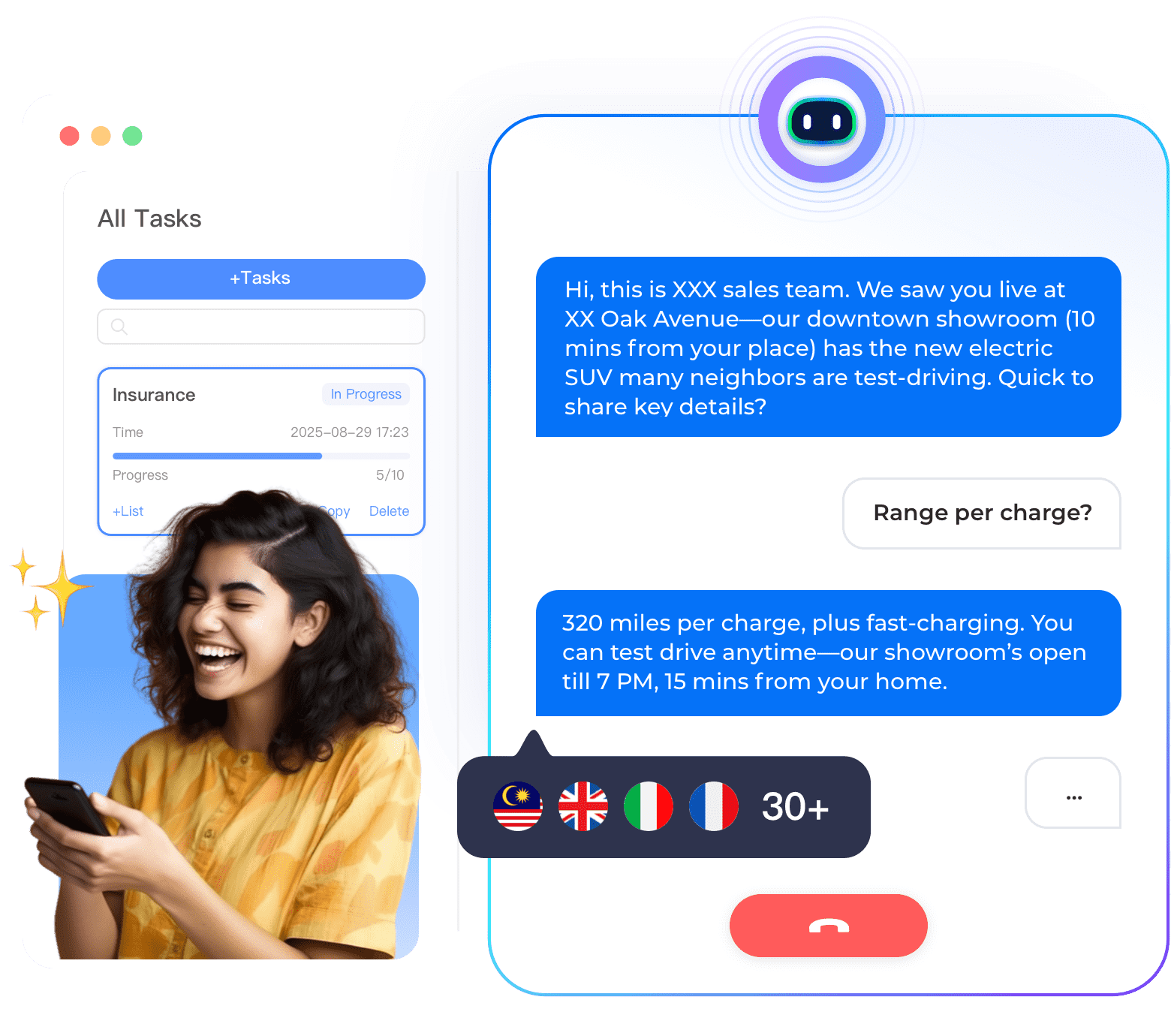
Leading enterprises are turning to AI voicebots. By integrating multilingual real-time interaction and cross-channel management, voicebots help improve lead conversion rates. In deployments across Southeast Asia, the Middle East, and Europe, brands report faster response times and reduced manual workload during peak seasons.
4 Critical Pain Points in Global Expansion
The Time Zone Gap: When your domestic team logs off, peak shopping hours begin in Europe and the Americas. Delaying nighttime inquiries loses potential orders. In e-commerce, a few hours can kill a sale.
Language and Cultural Barriers: Covering over 200 countries requires more than literal translation. Misinterpreting local idioms or product details causes cart abandonment.
Fragmented Communication Channels: Modern shoppers move between Amazon, WhatsApp, Facebook, and Instagram. Managing scattered touchpoints manually leads to inconsistent data and slow responses.
Regulatory Red Lines: Navigating laws like Europe's GDPR or the US TCPA is complex. Non-compliance can mean heavy fines or a permanent market ban.
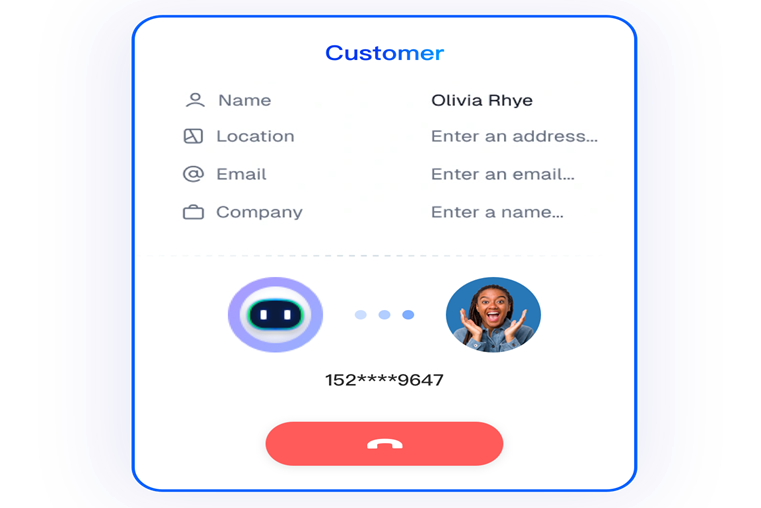
How Voicebots Solve the Cross-Border Challenge
Advanced voicebots provide five core capabilities:
- Global Connectivity – Local number resources and intelligent routing keep latency low, ensuring clear voice quality and strong connection rates.
- Multilingual Intelligence – Real-time interaction in many languages, recognizing regional accents. Handles complex product inquiries without a massive multilingual staff.
- Omnichannel Integration – Unify WhatsApp, email, and social media into one platform, giving agents a 360° customer view and boosting service efficiency.
- 24/7 Availability – Eliminate service gaps. During major promotions, voicebots handle order tracking and inventory checks, dramatically raising nighttime problem resolution.
- Built-in Compliance – Configurable templates for GDPR and CCPA with sensitive word filtering, substantially reducing legal risks.
The Tech Behind the Transformation
Four architectural pillars drive effectiveness:
- LLMs – Understand industry terms like "customs clearance" and "tariff calculations" with human-like precision.
- Advanced NLP & ASR – Ensure high accuracy even in noisy environments.
- Sentiment Analysis – Detect frustration or excitement to conduct deep, multi-round conversations.
- Data Intelligence – Analyze call data to generate intent labels. One outdoor brand boosted marketing conversion by adjusting its pitch based on voicebot analytics.
Proven Results: A Success Story
A cross-border platform targeting the African market replaced manual outreach with a voicebot. Results: marketing leads more than doubled, customer service costs dropped substantially, intent recognition reached high levels in multilingual scenarios, and lead conversion saw consistent uplift. (Note: results from a single deployment; individual outcomes may vary.)
Conclusion
A voicebot is no longer a luxury — it is a necessity. By bridging language, time zone, and platform gaps, voicebots turn every outbound call into a high-converting customer connection. Ready to scale your global e-commerce? Let's discuss.