Inbound and outbound calls are the foundation of insurance customer service and sales operations. Inbound calls are initiated by customers seeking support—claims filing, policy inquiries, billing questions. Outbound calls are initiated by insurance agents for lead follow-up, sales outreach, policy renewals, and claims follow-up. Understanding the differences, use cases, and optimization strategies for each call type is essential for insurance companies seeking to improve efficiency, customer satisfaction, and sales performance. This article defines inbound and outbound calls, explains how they differ, outlines their importance for insurance, and demonstrates how Instadesk’s Inbound Voicebot platform optimizes both call types.

What Are Inbound Calls?
Inbound calls are customer-initiated contacts to an insurance company. Customers call for various reasons: to file a claim, ask about policy coverage, request a quote, make a payment, or get billing assistance. Inbound calls require fast response times, knowledgeable agents, and efficient handling to meet customer expectations.What Are Outbound Calls?
Outbound calls are agent-initiated contacts to customers or prospects. Insurance companies make outbound calls for lead follow-up, sales outreach, policy renewal reminders, claims status updates, and customer satisfaction surveys. Outbound calls require effective scripts, timing strategies, and compliance with calling regulations.Key Differences Between Inbound and Outbound Calls
Aspect |
Inbound Calls |
Outbound Calls |
| Initiation | Customer-initiated | Agent-initiated |
| Purpose | Support, claims, inquiries | Sales, follow-up, reminders |
| Volume | Varies; can surge during events | Planned; campaigns |
| Agent Skills | Problem-solving, empathy | Persuasion, persistence |
| Compliance | Disclosure requirements | Do-not-call lists, calling hours |
| Technology | IVR, call routing, queue management | Predictive dialer, voicebots |
Why Both Call Types Matter for Insurance Companies
Insurance companies rely on both inbound and outbound calls for critical operations:
• Claims Handling: Inbound calls for claim filing; outbound calls for claims follow-up and status updates.
• Sales and Lead Management: Outbound calls for lead follow-up; inbound calls from prospects seeking quotes.
• Policy Service: Inbound calls for policy changes, billing questions; outbound calls for renewal reminders.
• Customer Retention: Inbound service calls that impact retention; outbound retention outreach for at-risk customers.
• Compliance: Both call types require adherence to disclosure rules, fair treatment standards, and privacy regulations.How to Optimize Inbound Calls
• Intelligent Routing: Route calls to the best-suited agent based on skills—claims, sales, service—and language.
• Self-Service Automation: Use voicebots to handle routine inquiries—policy status, payment, claim status—reducing agent workload.
• Queue Management: Minimize wait times with efficient staffing and overflow handling.
• Agent Tools: Provide agents with complete customer history and knowledge base access.How to Optimize Outbound Calls
• Voicebot Automation: Use voicebots for initial outreach, lead qualification, and appointment setting.
• Predictive Dialing: Maximize agent talk time with automated dialing that connects agents to answered calls.
• Compliance Management: Manage do-not-call lists, calling hours, and opt-out requests.
• Campaign Management: Segment leads and tailor scripts for different audiences.How Instadesk’s Inbound Voicebot Optimizes Both Call Types
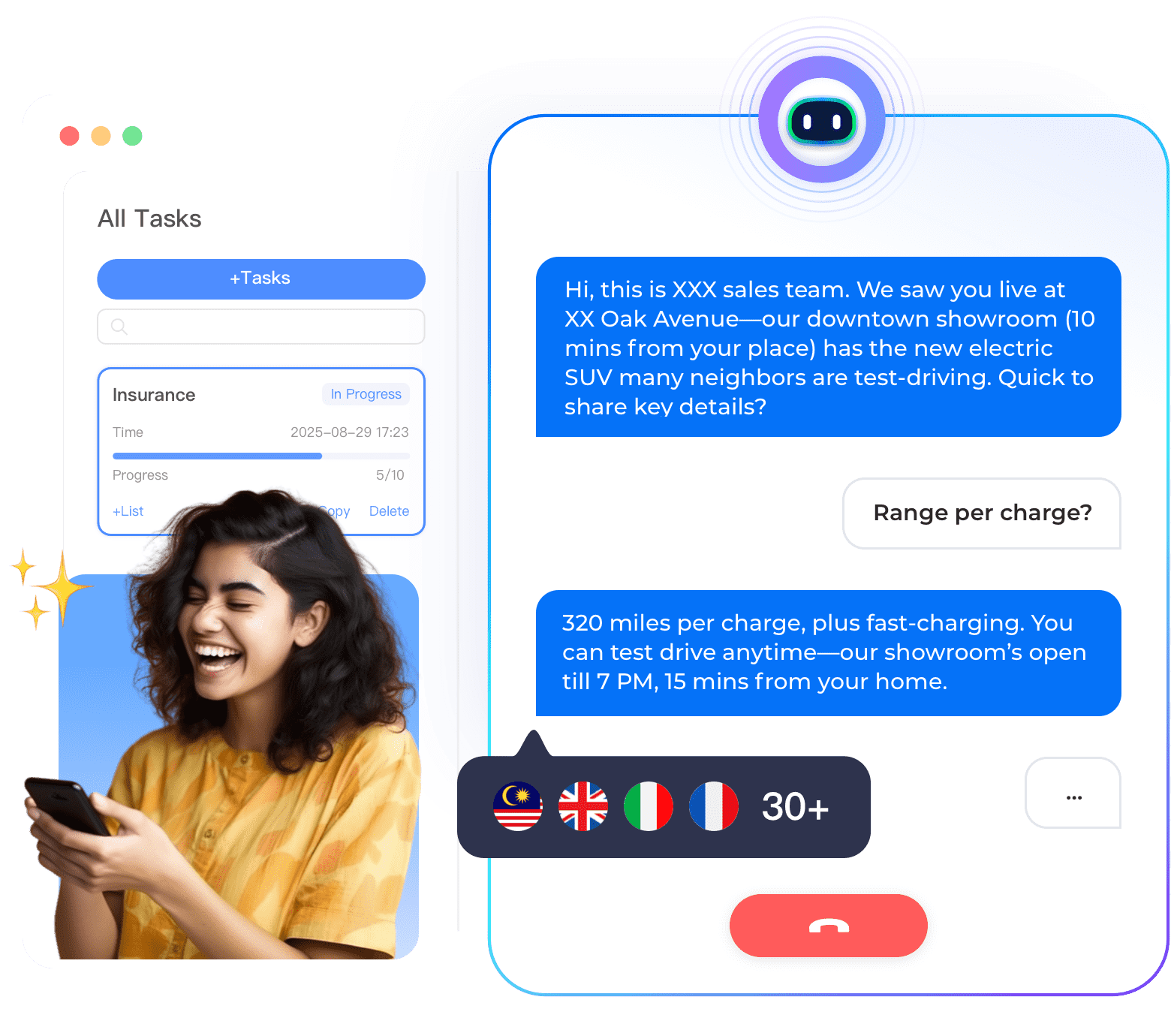
Instadesk’s Inbound Voicebot platform provides AI-powered automation for both inbound and outbound calls, enabling insurance companies to handle high volumes efficiently while maintaining quality and compliance.
Key features for inbound calls include:
• 24/7 Self-Service: Voicebot handles routine inquiries—policy status, claim status, billing—without agent involvement.
• Intelligent Routing: Complex inquiries routed to the right agents with full context.
• Natural Conversation: Voicebot engages in multi-turn conversations, understanding intent and adapting responses.
• Compliance Monitoring: Automated disclosure verification and audit trails.
Key features for outbound calls include:
• Scalable Outreach: Voicebot handles thousands of calls simultaneously for lead follow-up, renewal reminders, claims follow-up.
• Personalized Scripts: Adapts scripts based on prospect data—policy type, claims history, engagement.
• Outcome Tracking: Captures call outcomes—qualified lead, appointment set, follow-up needed—in CRM.
• Compliance: Manages do-not-call lists, calling hours, and opt-out requests.Case Study: Insurance Carrier Improves Efficiency Across Call Types
A national insurance carrier deployed Instadesk’s Inbound Voicebot platform. Results after 12 months:
• Inbound Automation: 50% of routine inbound calls handled by voicebot, reducing agent workload.
• Outbound Scale: 100,000 outbound calls monthly for renewal reminders and lead follow-up.
• Agent Efficiency: Agents focused on complex claims and sales conversations, increasing productivity by 30%.
• Compliance: 100% of calls recorded and auditable for regulatory review.Conclusion
Inbound and outbound calls are both essential for insurance operations, but they require different strategies, technologies, and skills. By leveraging AI-powered voicebots for both call types, insurance companies can automate routine interactions, optimize agent resources, and improve customer satisfaction. Instadesk’s Inbound Voicebot platform delivers the capabilities insurers need to manage high volumes, ensure compliance, and drive efficiency across all customer interactions.