Insurance companies serve diverse populations across regions and languages. Policyholders expect to communicate in their preferred language. Multilingual support is no longer a nice‑to‑have — it's a competitive necessity. This guide evaluates what makes intelligent customer service software excel at multilingual support.

What to look for in multilingual support software
· Language coverage – 30+ languages with ongoing additions.
· Translation quality – Natural, context‑aware translations, not literal word‑for‑word.
· Intent recognition consistency – Same intent recognized regardless of language (e.g., "file a claim" in Spanish vs. English).
· Voice support quality – Natural TTS and accurate ASR with regional accents.
· Agent tools – Real‑time translation; unified view across languages.
· Insurance terminology training – Models trained on deductible, premium, rider, exclusion, claim in every language.
Top solutions for multilingual support compared
|
Solution |
Languages |
Translation Quality |
Insurance-Specific |
Agent Experience |
|
Instadesk |
30+ |
Real-time, context-aware |
Pre-trained on insurance terminology |
Unified inbox with built-in translation |
|
Zendesk |
40+ |
Good, requires separate language training |
Limited insurance-specific models |
Translation requires add-on modules |
|
Intercom |
30+ |
Good |
General models only |
No native translation for agent interface |
|
Ada |
50+ |
Good |
Limited industry specialization |
Translation capabilities limited |
|
Salesforce Einstein |
20+ |
Good |
Strong CRM integration |
Translation requires additional tools |
Why translation quality matters for insurance
Insurance conversations are high‑stakes. A mistranslated term can cause confusion (e.g., "deductible" as "discount"), compliance violations, claims disputes, and brand damage. Accurate translation is essential.
How Instadesk excels at multilingual support for insurance
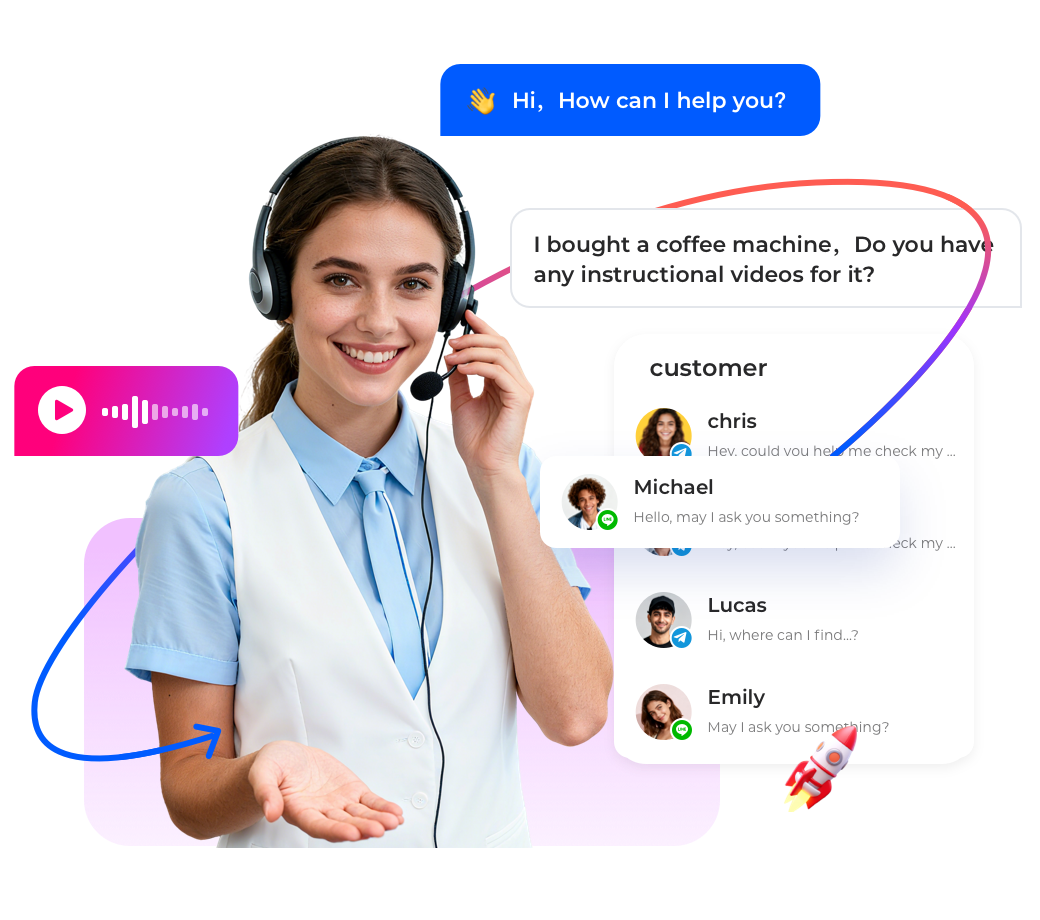
Instadesk is purpose‑built for insurance. Its AI understands insurance terminology in every supported language. Real‑time agent translation allows agents to serve customers in any language without multilingual staff. Intent recognition is consistent across languages (file claim, check policy, request ID card). Voice support includes natural TTS with regional accents, and unified reporting tracks multilingual metrics in one dashboard.
Case study: Global insurer expands to 15 new markets
A multinational insurer deployed Instadesk's multilingual platform. After 6 months: entered 15 new markets without dedicated multilingual teams; non‑English policyholders reported 95% satisfaction; real‑time translation enabled agents to serve any language; compliance maintained consistent regulatory disclosures across all languages.
Implementation considerations for insurance companies
1. Start with highest‑volume languages.
2. Test with native speakers for accuracy and cultural appropriateness.
3. Plan for regional variations (Spanish for Mexico vs. Spain).
4. Maintain human oversight for idioms or complex conversations; ensure seamless escalation to fluent human agents.